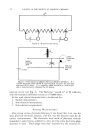
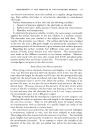
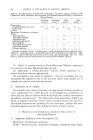
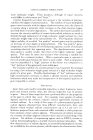
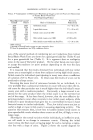
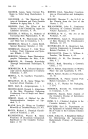
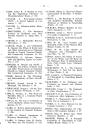
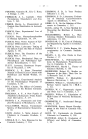
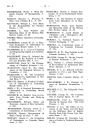
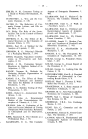
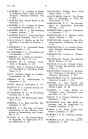
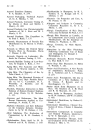
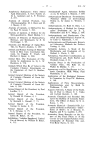
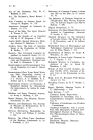
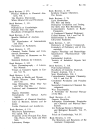
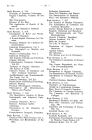
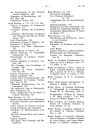
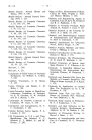
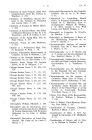
ORGANISM GROWTH IN COMMERCIAL COSMETICS 387 '['aBLE 2--T•E RESISTANCE OF SIX O/W COMMERCIAL COSMETIC LOTIONS TO ORGANISM GROWTH DURING .4 PERIOD OF THREE MONTHS* Lotion 1 Lotion 2 Lotion 3 Lotion 4 Lotion 5 Lotion 6 Preservatives Methyl parahydroxy- benzoate -3- di- hydroacetic acid Methyl parahydroxy- benzoate Propyl parahydroxy- benzoate Sorbic acid Possible auxiliary preservatives Ethanol Propylene glycol 5000 I.U. estrogen/ ounce* Control Bacterium, pseudomonas aeruginosa -- Molds dlternaria tenuis - dspergi/lus fumigatus - dspergillus niger -- Cladosporium herbarum - Mucor plumbeus -- Penicillium chrysogenum -- Penicillium notatum -- Rhizopus nigricans -- Nonionic emulsifier system: 5.0 5.0 . . 0.3 .. 02 5.0 5.0 ß . ++ - -- _ ++ - -- -- _ -- _ _ -- _ _ _ _ -- 0 3 .. 0.2 5.0 5.0 0.2 .. 0.2 .. 0.15 .. .. 0.2 .. 0.2 .. 0.2 ß . ß . I.otion 1---Polyoxyethylene sorbitol lanolin derivative/polyoxyethylene stearyl alcohol-- 5% w/w. Lotion 2--Polyoxyethylene sorbitol lanolin derivative/polyoxyethylene stearyl alcohol-- 5% w/w. Lotion 3--Polyoxyethylene sorbitol lanolin derivative/polyoxyethylene stearyl alcohol-- 5% wlw. Lotion 4--Sorbitan monoester of fatty acid/polyoxyethylene sorbitan monoester of fatty acid --5.5% w/w. Lotion 5--Sorbitan monoester of fatty acid/polyoxyethylene sorbitan monoester of fatty acld--5% w/w. l,otion 6--Polyethylene glycol, tool. wt. 1300 to 1600/glyceryl monostearates--8% w/w. * See Table 1 for guide to abbreviations and symbols. ++, heavy growth observed -3, slight to moderate growth observed -, no growth apparent. samples observed for organism growth during three months' storage at room temperature. The observations of these samples, collected in Tables 2, 3, 4 and 5, re- inforce the results of the previous experiment in that they suggest further that the activity of a phenolic preservative in a nonionic cosmetic emulsion is not always so inhibited as component testing suggests and that sorbic acid seems to offer adequate preservation in emulsion systems where the parahydroxybenzoate esters fail. In addition, these results indicate that each cosmetic emulsion should be considered individually and tested as a whole when preservation problems arise.

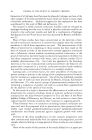
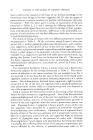
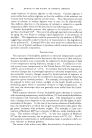
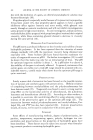
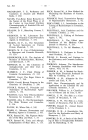
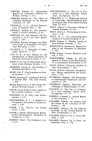
388 JOURNAL OF THE SOCIETY OF COSMET1C CHEMISTS TASLE 3--THE RESISTANCE OF FOUR O/•V COMMERCIAL COSMETIC LOTIONS TO ORGANISM GROWTH DURING A PERIOD OF 'IHREE MONTHS* Suntan Hand Foundation Foundation Lotion Lotion Lotion 1 Lotion 2 Preservatives Parahydroxybenzoate esters 0.3 0.3 0.3 Sorblc acid .. 0'.• .. 0'.• .. Possible auxiliary preservative, salicyl- ares--assumed less than 5% .. Control Bacterium, Pseudomonas aeruginosa Molds dlternaria tenuis .... + - - /lspergillu s fumigatus ...... /lspergillus niger Cladosporium herbarum ...... Mucor plumbeus Penicillium chrysogenum Penicillium notatum Rhizopus nigricans - - q- -- - Nonionic emulsifier system: 0.3 0'. 2 (j.'2 Suntan lotion--polyoxyalcohol ethers---5% w/w. Hand 1otion--Sorbitan monoester of fatty acid/P.O.E. sorbitan monoester of fatty acid-- 10% w/w. Foundation lotion 1--Ethylene oxide condensates of fatty- alcohols--10% w/w. Foundation lotion 2--Sorbitan monoester of fatty acid/P.O.E. sorbitan monoester of fatty acid--10% w/w. * See Table I for guide to abbreviations and symbols. q--I-, heavy growth observed q-, slight to moderate growth observed apparent. --, no growth l. PREPARATION Or THREE TYPICAL NONIONIC COSMETIC FORMULATIONS ,4. O/ tf Cold Cream Mineral oil, beeswax and surfactants were combined and heated to 70øC. The water was heated to 72øC. and added slowly with propeller agitation to the mixture. The emulsion was then allowed to cool to room tempera- ture, with an anchor-type agitator being substituted for the propeller as the cream reached the "set" point. In the preparation of the preserved samples, the preservatives were added to the water prior to its being heated to 72øC. and added to the mixture of beeswax, mineral oil and surfactants. B. O/l/1 / Face Cream Stearic acid, isopropy] myristate-palmitate and surfactants were com- bined and heated to 60øC. The water and 70 per cent sorbitol solution were combined and heated to 62øC., after which this mixture was added to the surfactant-fatty acid-fatty ester combination in the manner described for the o/w cold cream. Preservatives were incorporated into the face cream as described with the preparation of the cold cream.
Purchased for the exclusive use of nofirst nolast (unknown)
From: SCC Media Library & Resource Center (library.scconline.org)