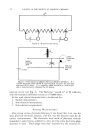
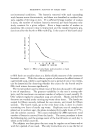
410 JOURNAL OF THE SOCIETY OF COSMETIC CHEMISTS methods mentioned earlier will continue to be used along with this new method for the interpretation of corrosion data. REFERENCES (1) Root, Morris J., "Corrosion of Aerosol Metal Containers," Chem. Specialties Mfrs..4ssoc. Proc. 42nd •lnn. Meeting, Dec., 1955. (2) Brooks, Dugald A., "A Study of the Corrosion Processes in Tin-Plated Containers Used for Packaging Aqueous Aerosols," Thesis for degree of Master of Science, Michigan State University, 1955. (3) Johnson, H. T., McAlpin, A. W., and Schenck, A.M., Food Tech,•ol., 9, 12, 643 (1955). (4) Johnson, H. T., and Daly, J. J., Jr., Proc. Soc. Soft Drink TechnoL, April (1957). (5) Koehler, E. H., Daly, J. J., Jr., Francis, Howard F., and Johnson, Harold, "Corrosion Processes in Carbonated Beverage Cans," 15th /l,•n. Meeting National ,tssoc. Corrosion Engineers, March (1959). (65 Daly, J. J., Jr., "Corrosivity Tester, Theory, Equipment, Test Methods," Confidential Report, Continental Can Co., Inc., Metal Division, Research and Development Dept. DEGERMING ACTIVITY OF TOILET BARSw INTERPRETATION OF BACTERIOLOGICAL DATA FROM HAND WASHING TESTS By J. J. TP. AVEI•.S, A. C. Ro. Lovv, E. L. AMBYE, and L. J. %NsoN* Presented May 7, 1959, New York City THE in vitro antibacterial effectiveness of deodorant toilet bars can be measured with a fair degree of accuracy under controlled testing condi- tions. Following the demonstration of satisfactory activity in simple labo- ratory tests the bars are assessed for degerming activity under actual usage conditions. The method in general use today is some modification (1) of the Price Serial Basin Wash procedure (2). This consists essentially of determining the number of bacteria on the hands of subjects before and after the use of a product containing a germicide and calculating the per cent reduction. Bacterial counts on the wash waters from successive washings of the hands are made the basis for an indirect measure of the numbers of bacteria normally existing on the skin. Using precise time periods for soaping, lathering and rinsing, and per- forming each wash in a separate basin, one finds that the bacterial counts in the wash water follow a logarithmic rate of decrease with each succeeding wash. The number of bacteria removed is considered to bear some relation to the number left on the skin. The first basin shows a high count, which consists mainly of so-called transient bacteria. The types and number of these vary widely among subjects and are influenced to a large degree by * l,ever Brothers Co., Edgewater, N.J.

410 JOURNAL OF THE SOCIETY OF COSMETIC CHEMISTS methods mentioned earlier will continue to be used along with this new method for the interpretation of corrosion data. REFERENCES (1) Root, Morris J., "Corrosion of Aerosol Metal Containers," Chem. Specialties Mfrs..4ssoc. Proc. 42nd •lnn. Meeting, Dec., 1955. (2) Brooks, Dugald A., "A Study of the Corrosion Processes in Tin-Plated Containers Used for Packaging Aqueous Aerosols," Thesis for degree of Master of Science, Michigan State University, 1955. (3) Johnson, H. T., McAlpin, A. W., and Schenck, A.M., Food Tech,•ol., 9, 12, 643 (1955). (4) Johnson, H. T., and Daly, J. J., Jr., Proc. Soc. Soft Drink TechnoL, April (1957). (5) Koehler, E. H., Daly, J. J., Jr., Francis, Howard F., and Johnson, Harold, "Corrosion Processes in Carbonated Beverage Cans," 15th /l,•n. Meeting National ,tssoc. Corrosion Engineers, March (1959). (65 Daly, J. J., Jr., "Corrosivity Tester, Theory, Equipment, Test Methods," Confidential Report, Continental Can Co., Inc., Metal Division, Research and Development Dept. DEGERMING ACTIVITY OF TOILET BARSw INTERPRETATION OF BACTERIOLOGICAL DATA FROM HAND WASHING TESTS By J. J. TP. AVEI•.S, A. C. Ro. Lovv, E. L. AMBYE, and L. J. %NsoN* Presented May 7, 1959, New York City THE in vitro antibacterial effectiveness of deodorant toilet bars can be measured with a fair degree of accuracy under controlled testing condi- tions. Following the demonstration of satisfactory activity in simple labo- ratory tests the bars are assessed for degerming activity under actual usage conditions. The method in general use today is some modification (1) of the Price Serial Basin Wash procedure (2). This consists essentially of determining the number of bacteria on the hands of subjects before and after the use of a product containing a germicide and calculating the per cent reduction. Bacterial counts on the wash waters from successive washings of the hands are made the basis for an indirect measure of the numbers of bacteria normally existing on the skin. Using precise time periods for soaping, lathering and rinsing, and per- forming each wash in a separate basin, one finds that the bacterial counts in the wash water follow a logarithmic rate of decrease with each succeeding wash. The number of bacteria removed is considered to bear some relation to the number left on the skin. The first basin shows a high count, which consists mainly of so-called transient bacteria. The types and number of these vary widely among subjects and are influenced to a large degree by * l,ever Brothers Co., Edgewater, N.J.
Purchased for the exclusive use of nofirst nolast (unknown)
From: SCC Media Library & Resource Center (library.scconline.org)