ORGANISM GROWTH IN COMMERCIAL COSMETICS 385 sented by Tice (18) before this Society on December 10, 1957, suggested to us that cosmetic emulsions containing nonionic surfactants and preserved with parahydroxybenzoate esters would resist organism growth with more success than was indicated by the testing of the preservative in nutrient culture media containing nonionic surfactants and that sorbic acid had value as a preservative for cosmetic emulsions containing nonionic surface- active agents. In order to see if the disc• epancy between observed preservative behavior and that predicted (1) for preservatives in nonionic emulsions was peculiar to our formulations or could be observed in nonionic cosmetic emulsions in general, we decided to extend this study to typical commercial cosmetic emulsions based on nonionic surfactants. Through the courtesy and co- operation of four nationally known cosmetic houses, we were able to obtain for testing two series of samples of commercial nonionic cosmetic emulsions. The two series of samples in each case differed only in the natu:e and quant- ity of the preservative included in each formulation. The first series of cosmetic samples contained the preservative system which is being used currently by the manufacturer to prevent organism growth in the cosmetics, while the second series contained sorbic acid in the place of the customary preservative. The suppliers of these samples also provided information on the nature of the product and a partial list of ingredients which included: (a) the type and concentration of nonionic emulsifier system (b) the type and con- centration of preservative (c) the type and concentration of other major ingredients in the formulations which might exert preservative action. Be- cause these formulations are commercial items, a more complete list of ingredients and their relative concentrations was not revealed by the manu- facturers. Knowing only the nature and concenuation of the nonionic surfactant and preservative systems does not permit us to speculate about the relative importance of other factors which influence a coametic emul- sion's resistance to organism growth, such as the contribution of dyes (19, 20) and perfume oils (21) to the preservative system or the various com- binations of nonsurface-active and nonpreservative cosmetic ingredients which could make one formulation a more nutrient medium than another (18). The acidity or alkalinity of the cosmetic emulsion also contributes to the total picture of preservation, but our attention in this investigation was focused on the interaction between preservative and nonionic emulsi- fier in the finished cosmetic formulation. If the interaction between pre- servative and nonionic emulsifier is the controlling factor in the preservation of these nonionic cosmetic emulsions, and if this interaction occurred to the extent indicated by component testing of nonionic surfactant and preserva- tive in micro/Srganism culture medium (1, 8), these commercial cosmetics would be expected to support organism growth with preservation being the

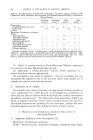
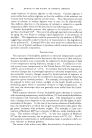
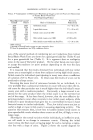
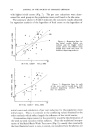
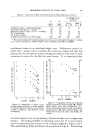
386 JOURNAL OF THE SOCIETY OF COSMETIC CHEMISTS '['ABLE 1--THE RESISTANCE OF THREE TYPICAL NONIONIC COSMETIC EMULSIONS TO OROANISM GROWTH DURING A PERIOD OF THRV. E MONTHS Cold Cream, Face Cream, Baby Lotion, Type of Cosmetic Product o/w o/w o/w Emulsion Type Ingredients (% w/w/ Mineral oil Beeswax Lanolin Cetyl alcohol Stearic acid (triple pressed) Isopro(•l myristate-palmitate Tween 40 (P.O.E. sorbitan mono- palmitate) Tween© 60 (P.O.E. sorbitan mono- stearate) Tween© 80 (P.O.E. sorbitan mono- oleate) Arlacel© 60 (sorbitan monostearate) Span© 80 (sorbitan monooleate) G-1726 (P.O,E. sorbitol beeswax derivative) Sorbo© (70% sorbitol solo tion) Water Preservatives Methyl parahydroxybenzoate Propyl parahydroxybenzoate Sorbic acid Growth of test organisms in samples during a period of three months Control sample Exposed to air Bacterium, Pseudomonas aeruginosa Molds Aspergillus niger Clado:porium carpophilum Mucor plumbeus Penicillium chry sogenum Rhizopus nig•'icans 50.0 7.0 . . ß . . . ß . 2.0 . . . . . . ß . 8.0 0.18 0.05 . . 1.O . . 1.5 •0 77 5 .... 0.18 0.05 13.'2 .. + - __ + - _ + + - _ q_ - _ + + + - + - _ + + - _ + -- _ + + - _ + - _ + + - _. + - _ + + - _ + - _ + 35 0 i0 10 49 sii0 0.18 0.05 . . oo o/w•il in water. % w/w--weight per cent. P.O.E.--polyoxyethylene. I.U.-4nter- national units. ©---registered trademark, Atlas Powder Company. Organism growth: +, growth observed -, no growth apparent. exception rather than the rule. If, on the other hand, the preservative- nonionic surfactant interaction is not so great as indicated by the evaluation of less complex systems (as suggested by the data in Table 1) and especially if this interaction is modified by the emulsion system in which the preserva- tive and surfactant are used, the cosmetic emulsions should be resistant to organism growth in general, with no general pattern discernible from the limited information available on the compositions of the commercial cos- metic emulsions tested. In the hope of observing one of the above specified patterns of organism growth, portions of the two types of each commercial nonionic cosmetic formulation which differed only in the preservative employed were con- taminated individually with each of nine dif•krent micro6rganisms, and the
Purchased for the exclusive use of nofirst nolast (unknown)
From: SCC Media Library & Resource Center (library.scconline.org)