J. Soc. Cosmetic Chemists, 16, 491-497(1965) A Comparative Chemical Study Dandruf[ Flakes, Skin Scrapings and Callus of KARL LADEN, Ph.D.* Presented before the Chicago Chapter, September 9, 196•, Chicago, Ill. Synopsis--Comparative chemical analyses of callus, skin scrapings and dandruff flakes have been performed. Compared to normal skin scrapings, dandruff shows lower moisture binding ability, lower ninhydrin-positive material content and higher sulfhydryl and pentose con- tents. These results suggest that dandruff is associated with an increased rate of keratin formation. INTRODUCTION In recent years much work has been done in analyzing epidermis and different types of pathological skin scales for various chemical components. Much of this work has been directed toward finding abnormalities in the scales from various pathological skin conditions. In most cases in the literature, results from analysis of pathological scales are compared to results from either callus or epidermis obtained from normal subjects or at post-mortem. In addition, due to different methods of analysis, etc., it is often difficult to intercompare the results obtained by different investigators. Dandruff (even though it appears in a large percentage of the popula- tion) can in some ways be considered a pathological condition. It was * The Toni Co., Division of The Gillette Co., Chicago, Ill. Present Address: Gillette Medical Research Institute, 6221 N. Capital N.E., Washington, D.C. 491

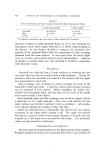
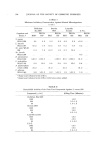
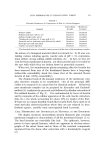
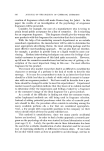
492 JOURNAL OF THE SOCIETY OF COSMETIC CHEMISTS TABLE I Ether Extractables and Water Uptake of Dandruff, Skin Scrapings and Callus • Ether Extractables % H•O Uptake Dandruff 39 (30-50) a 11 (6-21) Skin 10 (5-19) 21 (14-39) Callus 3 16 The figures in parentheses give the range of values obtained for 15 subjects. therefore decided to study dandruff flakes to see if any chemical ab- normalities occur which might help lead to a better understanding of the disease. It was further decided to compare the chemical com- position of the dandruff flakes with the composition of skin scrapings obtained from the same subject. It was hoped that the latter might serve as a better control from which to assess abnormalities. Analyses of samples of pooled callus were also included to facilitate comparison with literature values. MATERIALS Dandruff was collected from 15 male subjects by brushing the hair one week after the hair was washed with a mild shampoo. During the period in which the daredruff was collected, the subjects did not apply any preparations to their hair. Skin scrapings were obtained by gently scraping the back of the hand with a dull razor blade. Using care, almost pure stratum corneum can be obtained in this manner. Before sampling, the hands were washed and thoroughly dried, and the hairs on the back of the hands were removed with a hair clipper. Both dandruff scales and skin scrapings were stored in capped vials in a desiccator at 4øC until analyzed. They were used directly for this study without any further treatment (such as grinding). All samples were collected during the months of May and June. Callus was obtained from a chiropodist who did not use any topical treatment on the callus before cutting it off. The callus was ground with dry ice, and the fraction which passes through a 125 mesh and was retained by a 200 mesh sieve was used for this study. The powdered callus was also stored in a desiccator. EXPERIMENTAL AND RESULTS The first point for determination was the lipid content of the samples. Weighed samples of keratin were extracted with three 3 ml. portions of
Purchased for the exclusive use of nofirst nolast (unknown)
From: SCC Media Library & Resource Center (library.scconline.org)