786 JOURNAL OF THE SOCIETY OF COSMETIC CHEMISTS causal relationship to the microorganisms found on the scalp. He recom- mends the keratolytic approach. Van Abbe (16) suggests that an al- lergic mechanism plays a significant role in dandruff causation. Some investigators (17, 18) maintain that the condition is a disordered normal desquamating process often associated with excessive oil secretion on the scalp. Harry (3) cites several authors who attempted to show a relation- ship between digestive disorders and dandruff. Considering the many hypothetical causes of dandruff symptom- atology, it is no surprise that treatment approaches indude antimicrobial as wdl as keratolytic therapy steroid antihistaminic antimitotic special dietary and recently, enzymatic (19, 20) approaches. It is widely agreed that the first consideration in effective treatment for dan- druff requires thorough cleansing of the scalp to remove both loose and adherent scale. The second phase generally involves the use of a suit- able agent to inhibit further production of scale. It is in the latter phase where most differences of opinion arise. Some investigators employ various biochemical means to inhibit scaling. Others prefer to incorpo- rate the therapeutic agent in a shampoo, while still others apply it as a post-shampoo rinse. Another school of thought recommends a pre- shampoo treatment. This investigation was designed on the theory that topical post- shampoo rinse therapy is most easily controlled. A standard pre-treat- ment shampoo was used. The rinses were simple aqueous solutions or suspensions of different active ingredients supplemented with a condi- tioner. They were designed to place the therapeutic agents in intimate contact with the hair and scalp. Approximately 750 subjects entered and 717 completed the study. Early in the planning stages it became apparent that more than one dinical trial with basically the same design would eventually be required. Masses of data would be generated, and these would undoubtedly be cumbersome and costly to process manually. A review of the protocol suggested that with properly designed record forms the study could be programmed for electronic data processing. Once the programming costs were amortized, subsequent data processing costs and time require- ments would be rdativdy small. If the program were flexible enough, it might be adaptable to other studies with other products. This paper will briefly discuss the dinical protocol and then consider the data pro- cessing in some detail. For comparison purposes the data were analyzed by both EDP and manual means. The relative economics will also be discussed.

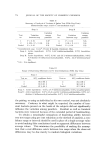
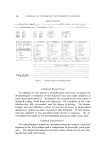
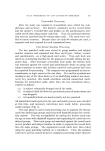
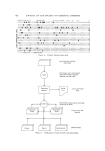
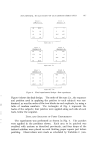
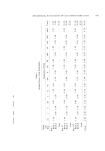
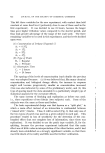
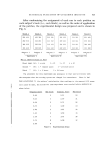
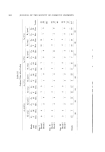
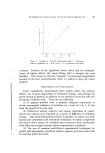
DATA PROCESSIXG OF AXTI-DANDRUFF RESEARCH 787 PROCEDURE At the start of the study the subjects were divided into fifteen balanced groups with all groups using the same shampoo but each a different test rinse. At tl•e initial visit the consulting dermatologist examined each subject and noted the severity of both loose and adherent dandruff. Using a scale of zero to four plus, only those subjects with three plus or four plus in both loose and adherent dandruff were admitted to the study. Additional information, such as scalp conditions, derma- toses, and presence of itching, was noted on the record forms. Once a subject was qualified to participate in the study, a dandruff history was prepared for that subject. The details of the actual clinical trial, which lasted eight weeks, are not germane to this discussion. However, the subjects were examined by a dermatologist five days after treatment during weeks Nos. 1, 2, 4, 6, and 8, and his observations were recorded. Upon completion of the trial, each participant was required to complete a questionnaire wherein he or she provided subjective responses to various questions. The completed forms were checked and then forwarded for key punching and data processing. ELECTRONIC DATA PROCESSING Transmittal Forms Three custom transmittal forms were designed to record the pertinent information for each subject in the study (Figs. 1, 2, and 3). The infor- mation from each transmittal sheet was key punched into an 80-column data card. For each subject there were three cards of punched data. The subjects were identified by name and number. Transmittals were designed to allow flexibility in the subjects' entries and still provide meaningful data for computer processing. Encoded on the transmittals were numbers associated with answer boxes or comment entries which ranged from 1 to 80. These are the card columns in which the data were punched. Figure 4 shows a typical punched-in data card. Dandruff History Form This form contained the subject's identification including name, number, address, phone number, vocation, sex, age, etc., and a brief history relating to scalp and hair. The history included information such as: years with dandruff, number of shampoos per month, the sub- ject's own appraisal of his extent of hair loss from (a) combing and (b) shampooing, and the names of products used on the hair.
Purchased for the exclusive use of nofirst nolast (unknown)
From: SCC Media Library & Resource Center (library.scconline.org)