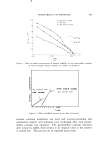
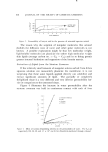
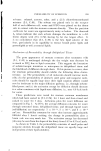
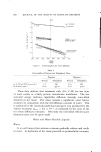
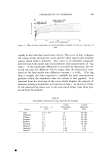
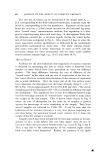
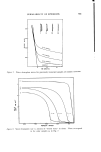
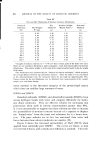
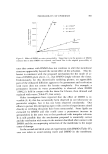
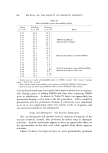
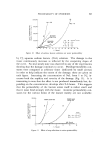
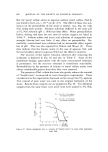
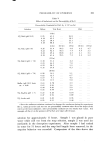
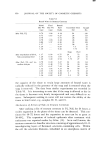
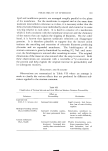
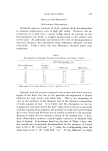
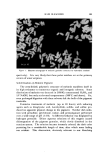
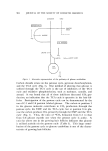
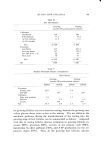
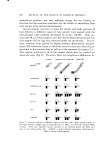
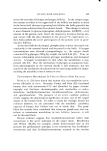
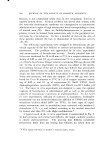
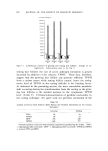
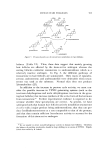
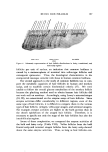
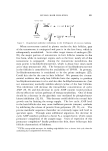
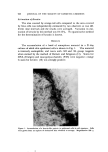
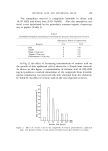
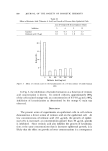
880 JOURNAL OF THE SOCIETY OF COSMETIC CHEMISTS decomposition was to be accounted for by the melanin alone, then the latter would yield a value of 130 X 10 -2 mM min -• g-•, a difference factor of over 20. A rate of this magnitude (95 X 10 -2 mM min -• g-•) was actually observed in the study of the oxidation of melanin with H202 at pH 10 and 35øC. Assuming that the rate of peroxide decmnpo- sition is related to that of oxidative reactions taking place within the fiber, then this large difference in reactivity is obviously a desirable feature from the point of the bleaching process. A further increase in the reactivity ratio should lead to faster and less damaging bleach- ing. Such an approach has been utilized in the bleaching of wool by using the iron mordanting technique (23). The preferential binding of iron by the pigment sensitizes the latter to the peroxide attack and re- sults in significant acceleration of bleaching. Although qualitative observations of color changes which hair under- goes during bleaching, combined with quantitative evaluation of per- oxide consumption, provide some measure of melanin reactivity, they add little to our understanding of the mechanism of the process. In addition, the intimate association of the pigment with the hair fiber is likely to interfere with many physicochemical aspects of the process and to obscure their relative importance. To obviate these difficulties each of the components (melanin and keratin) was examined separately. It was assumed that isolation of the pigment from its keratin environ- ment would not significantly affect its chemical behavior. Reaction of Melanin Pigment with Hydrogen Peroxide The melanin was isolated from the hair in the form of discrete granules, approximately 0.8-1.2 • long and 0.3-0.4 u thick (Fig. 1). Examination of the pigment with the electron microscope at several magnification levels (5,000-50,000) did not reveal any structural or- ganization of the g•:anules. This was true for both the PHT- and HC1- isolated melanin. The density of melanin was determined by the flotation technique (benzene/bromobenzene/3-bromochlorobenzene system) and was found to be 1.53 g/cm g. This is much lower than the value of 1.71 reported by Swift (24). The pigment •-anules are hygxoscopic, attaining the equilibrium regain of 16.4% at 65% relative humidity. Although no attempt was made to identify the water binding sites, the acid and base combining capacities of the pigment were determined (0.32 and 2.5 meq/g, re-

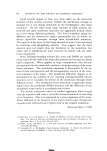
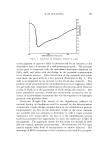
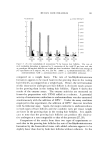
HAIR BLEACHING 881 .' . Figure 1. Electron micrograph of melanin granules extracted by hydrolytic method spectively). It is very- likely that these polar residues act as the primary centers of water sorption. Solubilization of Melanin Pigment The cross-linked, polymeric structure of melanin manifests itself in its high resistance to numerous organic and inorganic solvents. Some dissolution of melanin was detected in DMSO, concentrated H.,SO4, and 1N NaOH, but only at elevated temperatures (100øC and above). Yet, even prolonged digestion with these solvents left the bulk of the pigment insoluble. Extensive treatments of melanin (up to 48 hours) with reducing agents such as thioglycohc acid, borohydride, sulfide, and sulfite pro- duced no apparent physical change in the pigment. Neither did oxida- tion with persulfate, perchlorate, iodate, and permanganate performed over a wide range of pH (1-10). A different behavior was displayed by hydrogen peroxide. Dilute aqueous solutions of this reagent caused disintegTation of the pigment gTanules, which slowly dissolved in the reaction system. The solution became intensely colored, the dark color persisting for a considerable length of time, after which some fading was evident. This observation, obviously relevant to our bleaching
Purchased for the exclusive use of nofirst nolast (unknown)
From: SCC Media Library & Resource Center (library.scconline.org)