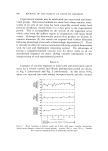
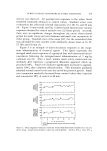
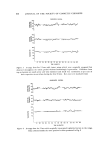
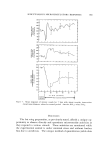
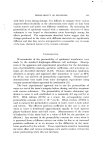
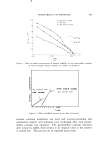
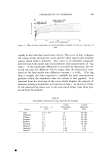
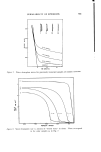
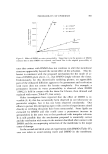
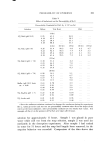
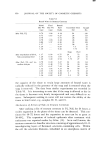
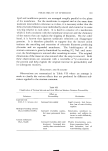
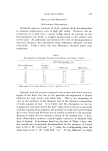
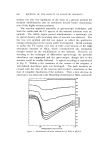
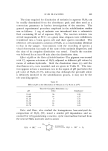
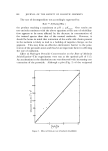
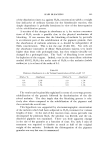
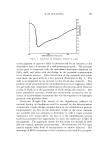
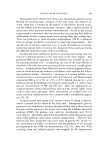
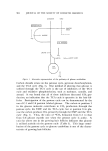
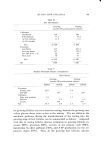
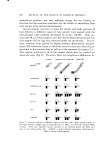
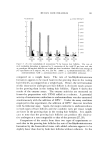
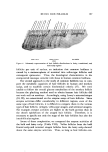
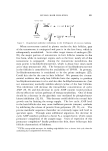
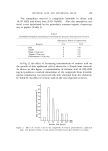
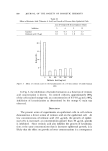
SUBCUTANEO[IS MICROCIRCULATORY RESPONSES 851 8 140[ 130 T 80 70 I I ! I I '"•[ I I I I I . I I I i I I i I i 140 [ I I [ I I I I I I i I I 80L,, I I I I .... I , I I I,,, I I I 11o lOO- 90- 8o- 60- 50- 40- 30- 20- I I I I I I I I I I I I -- -- -- -- -- -- -- -- 10 20 30 40 50 60 Control •. T I M E ( m in ut e s) J Period • Post-injection Period w I Figm'c 5. Mean responses of minute vessels for 7 bats with intact vascular innervation. Actl]al mean diameter values for control period: Arteries, 38.9 • veins, 75.0 DISCUSSION The bat wing preparation, as previously stated, affords a unique op- portunity to observe directly and qttantitate microvascular activities as they respond to various stimuli. These activities are monitored while the experimental animal is under •ninimal stress and without further bias due to anesthesia. The unique method of quantitation yields data

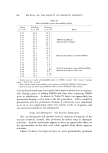
852 JOURNAL OF THE SOCIETY OF COSMETIC CHEMISTS which have been analyzed not only for complete accuracy and reproduci- bility bnt data in which the influence of external errors has been greatly minimized. The examples presented are from studies which have yielded unique information. This information, together with further refinement and sophistication of the basic procedures, will add much to the knowledge of microcirculatory systems as they respond to and for the entire system of the organism. Further uses of this preparation, uses which have not been utilized at the present time, include surface applications on intact as well as the abraided epidermis of the wing membrane. Chemical agents whether in solution or in creams, lotions, or oils can be applied topically or injected intradermally to observe the subcutaneons microvascular responses. (Received January 12, 1970) REFERENCES (1) Nicoll, P. A., and Webh, R. L., Blood circulation in the subcutaneous tissue of the living bat's wing, Ann. N.Y. Acad Sci., 46, 697-711 (1946). (2) Wiedeman, M.P., Reactivity of artcrioles following denervation of subcutancons arcas of the bat wing, Amer. J. Physiol., 177, 308-14 (1954). (3) Nicoll, P. A., Structure anti function of minute •cssels in autoregulation, Cite. Res., 15, 1-245-I-253 (1964). (4) Harris, P. D., Greenwald, E. K., Martz, R. C., Forney, R. B., Hughes, F. W., ami Nicoll, P. A., Effects of ethyl alcohol on subcutaneous microcirculation, Toxicol. April. Phar- macol., 14, 6-12 (1969). (5) Martz, R. C., Youkilis, E. J., Harris, P. D., Forncy, R. B., and Nitoil, P. A., The effects of nicotine on the snbcutaneous microcirculation ol the bat, Proc. Soc. Ex]5. Biol. Med., 133, 153-9 (1970). (6) Youkilis, E. J., Martz, R. C.. Harris, P. D., Forncy, R. B., and Nicoll, P. A., lnflucncc of dencrvation on the dilatation of minute blood vessels following cadmium administration, Arch. D•t. Pbarmacody. Ther., accepted for publication. (7) Harris, P. D., Grcenwald, E. K., and Nicoll, P. A., Ncural mcchauisms in small vessel response to hcmorrhage in the unanesthetized bat, A ruer. J. Phy,•iol., 218, 560-5 (1970).
Purchased for the exclusive use of nofirst nolast (unknown)
From: SCC Media Library & Resource Center (library.scconline.org)