902 JOURNAL OF THE SOCIETY OF COSMETIC CHEMISTS INTRODUCTION In spite of the paramount concern of the cosmetic industry with human hair, practically no work has been reported on the metabolism of human hair follicles and its control. Studies on the biochemical mechanisms of keratinization in hair follicles have been fairly numerous (1-5) however, neither human nor subhuman primate hair follicles have been favorite objects for thorough analysis. The consequent lack of knowledge on the metabolic functions of hu- man hair follicles seriously hampers our understanding of alopecia, be- cause human hair follicles are phylogenetically unique among mam- mals. Thus, human hair follicles must be studied if the etiologic fac- tors of alopecia are to be elucidated. The very small samples of follicle material available for analysis require the utilization of various micro- analytical techniques, which, in principle, depend on either radioactive tracers of high specific activities or fluorometric enzyme and substrate assay procedures. The use of human hair follicles often has moral and legal restrictions. Fortunately, Montagna recently discovered that the stump-tailed ma- caque (Macaca speciosa), which develops baldness similar to that of man, is an ideal animal substitute for studies of common baldness (6-8). This paper summarizes microbiochemical studies made over the past three years on the metabolism of human and macaque hair follicles, and reorients the approach to elucidating the mechanisms of alopecia. First is discussed the basic energy metabolism of the vowing and resting phases of hair follicles, then aspects of androgen metabolism in hair follicles, and finally the possible molecular mechanisms of common baldness. ENERGY METABOLISM OF GROWING AND RESTING HUMAN HAIR FOLLICLES This work was begun by investigating the basic energy-producing sys- tems of hair follicles, since at that time there was complete lack of knowledge on this fundamental subject. In 1958, Bullough and Lau- rence (9) reported that active mitosis in a hair bulb requires adequate supplies of oxygen and energy sources, such as glucose, fructose, and pyruvate. Although their data suggested that the pathways of carbo- hydrate metabolism proceed in hair follicles as they do in other tissues, neither the precise pathway of glucose in hair follicles nor the quanti- tative metabolic capacity of hair follicles per se has been described.

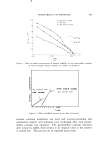
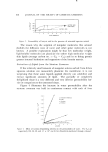
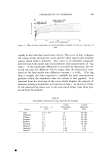
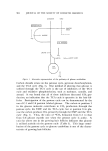
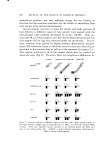
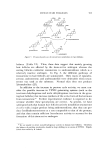
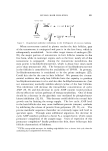
HUMAN HAIR FOLLICLES 903 Mammalian hair follicles have their own autonomous growth cycles. During the growing stage (anagen) of the hair cycle, the follicles de- velop when hair is formed by the matrix of the follicle, growth ceases, and the follicle is in the resting stage (telogen). After a specific period of quiescence, these processes resume autonomously. As far as the energy requirement is concerned, one can assume that the growing hair follicles synthesizing keratin require much more energy than the resting ones. Thus, the pathways to yield adenosine triphosphate (ATP), a chemical form of energy, should be accelerated to meet this requirement. The specific aim of the first experiment was to study the pathways of energy- producing systems and to examine the changes in these pathways during the different functional stages of the hair follicles. In man and most subhuman primates, growing and resting hair fol- licles are randomly present at the same time in the same region. The potential difficulty in sampling the hair follicles was avoided by use of the plucking method (10). In plucking, the root of the hair follicles is attached to the end that of the growing follicles consists of a small epithe- lial sac. Freshly plucked hair follicles from the scalp of Japanese donors, none of whom showed any evidence of baldness, were used for the follow- ing metabolic studies. Generally, 3 growing or 5 resting follicles were transferred into a microrespiration tube of 2.5-mm i.d. and 30-mm length containing 0.06 vc of u-•4C, or 1-14C, or 6-•4C labeled glucose in 3 v1 of buffered glucose Krebs-Ringer bicarbonate solution pH 7.4 (with a final glucose concentration of 100 mg/100 ml). After an appropriate in- cubation period, various end products such as CO2, lactate, lipids (fatty acids in some cases), glycogen, DNA, and protein (as residue) were iso- lated, and their radioactivities were counted with a scintillation appara- tus (11, 12). In many tissues and organs, the common source of energy is glucose, which is carried by the blood to the local sites. Subsequently, glucose permeates cell membranes, becomes phosphorylated, and is then directed through various pathways, the major ones being the Embden Meyerhof pathway (EMP), the pentose cycle, and the tricarboxylic acid (TCA) cycle (Fig. 1). Qualitative proof that hair follicles utilize glucose through these major pathways came about without complication. After the hair follicles had been incubated with three types of glucose-•4C, lactate-•4C, the end product of EMP, was isolated, and the presence of all enzymes participating in the EMP was demonstrated (12, 13). Also, the •4CO,• resulting from the labeled glucose was trapped in all experiments.
Purchased for the exclusive use of nofirst nolast (unknown)
From: SCC Media Library & Resource Center (library.scconline.org)