924 JOURNAL OF THE SOCIETY OF COSMETIC CHEMISTS (39) Pearhnan, W. H., and Pearlman, M. R. J., The metabolis•n in vivo of •*-androstene- 3,17-dione-7-H'• its localization in the ventral prostate and other tissues of the rat, J. Biol. Chem., 236, 1321-7 (1961). (40) Rcsko, J. A., Goy, R. X•r., and Phoenix, C. H., Uptake and distribution of exogenous testosterone-l.2-aH in t•eural and genital tissues of the castrate guinea pig, Endocri- r•ology, 80, 490-8 (1967). (41) Northcutt, R. C., Island, D. P., and Liddie, G. W., An explanation for the target organ unresponsiveness to testosterone in the testicular feminization syndrome, J. ½lin. Endocrinol. Metab., 29, 422-5 (1969). (42) Dorfman, R. I., and Dorfman, A. S., Assay of subcutaneously administered androgens on the chick's comb, Acta oendocrinol., 41• 101-6 (1962).

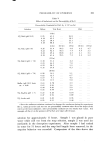
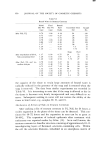
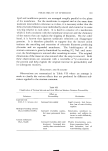
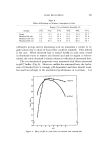
]. Soc. Cosmet. Chem. 21, 925-932 (Dec. 9, 1970) Effect of All-trans-Retinoic Acid on Human Skin Epithelial Cells in Vitro MARVIN A. KARASEK, Ph.D.* Presented May 26-27, 1970, New York City Synopsis--A method to study GROWTH and KERATINIZATION of postembryonic human SKIN epithelial cells in cell culture is presented and the effect of all-trans-RETINOIC ACID (vitamin A acid) on the behavior of human skin cells in vitro is described. In the complete absence of retinoic acid, epidermal cell growth is markedly retarded. At low concentrations of the acid (less than 10 /•g/ml), growth of skin cells is stimulated and keratin formation is decreased. At higher levels of retinoic acid (greater than 10 •g/ml), all growth is strongly inhibited. INTRODUCTION Changes in the levels of circulating vitamin A induced either by a diet deficient in vitamin A or by oral administration of excess vitamin A produce marked changes in the skin of both primates and non- primates. Sherman reported that animals on a diet deficient in vitamin A show an increase in keratinization and a reduced rate of growth of epidermal tissue (1). After oral administration of vitamin A, Pinkus and Hunter noted a decrease in keratinized cells on the forearm of adults, an increase in the number of nucleated cells, and a decrease in the mi- totic response of the epidermal cells (2). Effects of vitamin A on keratinization have also been reported in vitro. In 1953, Fell and Mellanby demonstrated an antikeratinizing effect of vitamin A on organ cultures of skin from chick embryos maintained in * Department of Dermatology, Stanford University School of Medicine, Palo Alto, Calif. 925
Purchased for the exclusive use of nofirst nolast (unknown)
From: SCC Media Library & Resource Center (library.scconline.org)