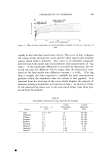
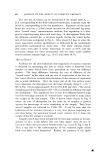
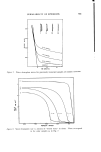
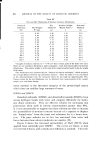
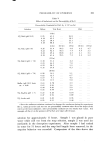
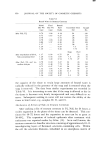
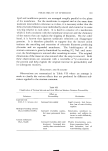
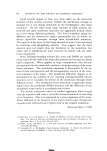
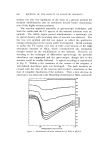
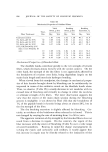
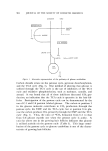
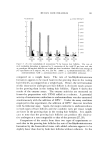
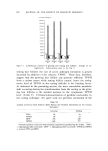
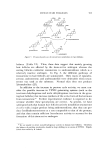
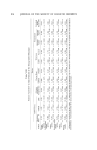
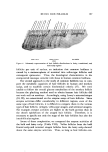
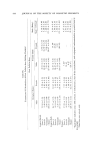
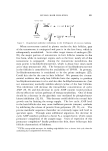
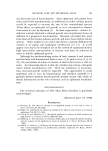
920 JOURNAL OF THE SOCIETY OF COSMETIC CHEMISTS type anagen follicles obtained from hairy and bald scalp regions. Thus, we were unable in this way to establish an enzymatic criterion for baldness in the stump-tailed macaque. Our present finding on the ratio of Zone B/Zone A metabolites is significant, since it demonstrated for the first time a biochemical difference between follicles in bald and hairy regions. The baldness that occurs on the frontal scalp region of these animals during adolescence is no doubt genetically prede- termined. Our results appear paradoxical. Since common baldness is triggered by an elevated testosterone level, hair follicles transformed to vellus type in the frontal bald scalp should retain more testosterone than those remaining as terminal types. However, we found that the content of the biologically active testosterone is less and that of the inactive androstenedione is more abundant in vellus hair follicles than in terminal hair follicles. A plausible explanation is that a very active male sex hormone, such as 5mdihydrotestosterone, is formed from testosterone by vellus hair follicles (and/or by surrounding sebaceous glands). Since in the chromato•aphic solvent system used for this work the mobility of this androgen lies between the values for testosterone and androstenedione, we have no clue that relates it to the development of baldness. However, the variation in the total radioactivity recovered in materials from Zones A and B (ranging from 49 to 96%) suggests that appreciable amounts of still undetected metabolites are present in the hair follicles. In fact, Northcutt et .al. (41) found large amounts of 5mdihydrotestosterone to be produced in vitro by pubic hair follicles plucked from human males. The current study confirmed that 5mdihydrotestosterone-:•H is formed from testosterone-aH by hair follicles of the Stulnp-tailed ma- caque. However, further quantitative studies are needed to determine whether hair follicles from the bald region produce more 5mdihydro- testosterone than those from the nonbald region in this monkey. SUMMARY AND DISCUSSION Clinically, there are two major factors which contribute to common baldness, i.e., the androgen factor and the genetic factor. As yet we have not been concerned with the latter factor the discussion in this paper will be limited to the androgen factors. The principal question is how testosterone affects the hair follicle. Although we do not yet have a complete answer, a possible sequence of testosterone effects on the hair follicle is illustrated in Fig. 7.

HUMAN HAIR FOLLICLES 921 Ter m•n(:l Type TPNH TPN + '"'""•- •T + •',S'-•,M• •, + •F• ( Pl•sm0 ) Vel lu Factor Type• (?) Figure 7. Hypothetical molecular mechanisms in the development of common baldness When testosterone carried in plasma reaches the hair follicles, part of the testosterone is conjugated and part is in the free form, which is subsequently metabolized. As in other target tissues of androgen (26- 28), the major portion of testosterone in hair follicles remains in the free form, while in nontarget organs, such as the liver, nearly all of the testosterone is conjugated. Among the testosterone metabolites, the most potent is 5a-dihydrotestosterone, which is about four times more active than testosterone (42). The formation of 5a-dihydrotestosterone in the follicles is controlled by the availability of TPNH. In prostate, 5a-dihydrotestosterone is considered to be the prime androgen (27). Could this also be the case in hair follicles? We present the circum- stantial evidence that scalp hair follicles have the capacity to produce 5a-dihydrotestosterone in vitro and also that 5a-dihydrotestosterone (but not testosterone) markedly inhibits adenyl cyc]ase of the hair follicles. This inhibition will decrease the intrace]]u]ar concentration of cyclic AMP (32, 33) and this decrease in cyclic AMP content would produce diverse effects on various pathways of energy metabolism. One of them should be a decrease in the glycolytic rate mediated by phosphofructo- kinase inhibition (32, 33). This decrease could inhibit the normal hair growth rate by limiting the energy supply. The low cyclic AMP level in the hair follicles also may cause inefficient protein (enzyme) synthesis by inhibiting the release of protein from polysomes (32, 33), etc. The precise metabolic sequences thereafter are extremely vague and hard to speculate upon. Through some additional sequences, the decrease in cyclic AMP somehow produces a factor X, a catagen factor, which causes premature completion of the anagen stage. Years of repetition of this premature completion * finally produces the thin, short veilus-type hair follicles characteristic of baldness. ß In the stump-tailed macaque, the balding scalp follicles have a shorter hair cycle than the nonbalding have (unpublished observation).
Purchased for the exclusive use of nofirst nolast (unknown)
From: SCC Media Library & Resource Center (library.scconline.org)