926 JOURNAL OF THE SOCIETY OF COSMETIC CHEMISTS a plasma clot (3). This effect could be specifically described as a conver- sion from horn to mucin protein. Rothberg observed similar changes in embryonic chicken skin maintained in a chemically defined medium (4). An effect of vitamin A or one of its derivatives on the behavior of postembryonic mammalian skin in vitro has not been reported. Although it is clear that both vitamin A and, more recently, vitamin A acid (5-8) have an effect on the postembryonic epidermal cell, neither the primary target cell for vitamin A activity nor the mechanism of ac- tion in either embryonic or postembryonic skin is understood. In this study, evidence is presented that the postembryonic human epidermal cell in cell culture retains the capacity to synthesize proteins with characteristics of mature keratin, and that retinoic acid may either accelerate or depress epidermal cell •owth depending on concentration, EXPERIMENTAL Materials Skin Cultures Human foreskin tissue obtained 3 days postpartum, or abdominal skin from human autopsies, was used. Skin fragments of uniform di- mensions were obtained by a 3-mm stainless steel punch. Explants were maintained in a CO2 incubator by procedures previously described (9). Chemicals A stock suspension (1 mg/ml) of vitamin A acid (retinoic acid)* was prepared by producing a uniform suspension of the acid in Eagle's Mini- mal Essential Medium by sonication for 5 minutes in a Brownwill Soni- cator* at maximum energy. Appropriate dilutions of the stock solu- tion were made in complete Eagle's Minimal Essential Medium con- taining 10% ether-extracted calf serum. The calf serum was prepared by extraction of the serum with 2 volumes of ether with stirring for 24 hours at 0øC. The ether was removed by low pressure distillation, and the calf serum sterilized by filtration through a Millipore filter. Cell Growth New cell growth was determined by direct measurement with a microscope ocular fitted with a calibration scale. * Eastman Organic Chemicals, Eastman Kodak Co., Rochester, N. Y. * Brownwill Scientific, Division of Will Scientific Inc., Rochester, N.Y.

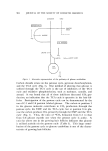
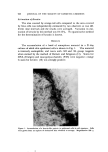
RETINOIC ACID AND EPITHELIAL CELLS 927 Methods Isolation of Keratin Fibrin clots were removed with fibrinolysin (1 unit fibrinolysin/ml, 18 hours), and the cells were washed with saline to remove traces of medium. The mother explant was removed with fine forceps, and the cells growing in a sheet were scraped from the coverslips. The cells were lysed with 2% dodecyl sulfate for 30 minutes at 37øC. Proteins not soluble in 2% dodecyl sulfate were removed by centrifugation and saved proteins soluble in 2% dodecyl sulfate were discarded. The in- soluble protein was dried by lyophilization. Solubility determinations and enzymatic hydrolyses were made on the dried material suspended in the appropriate buffer or solvent. Solubility The amorphous material was suspended in 0.1 N HC1 or 0.1N NaOH for 24 hours at room temperature. The suspension was centrifuged (10,000 g, 15 minutes) and protein determinations were made on the supernatant solution by the procedure of Lowry (10). Proteolytic Assays The dry amorphous material was suspended in 0.01N HC1 and hy- drolyzed with pepsin for 24 hours at 37øC in a metabolic shaker (10 vg pepsin/rag amorphous substance). The solution was centrifuged (10,- 000 g, 15 minutes) and proteins in the supernatant were determined by the procedure of Lowry (10). Chymotrypsin and trypsin hydrolyses were carried out in tris buffer, pH 7.6 (100 vg/mg amorphous substance), and solubilized proteins were determined by the procedure of Lowry (10). Histology Fibrin clots were removed (see above) and the epithelial cell sheets were fixed in buffered formaldehyde, pH 7.2, for 2 hours. The form- aldehyde was removed by three washings with distilled water. The coverslips containing the fixed epithelial cells were then stained by standard histological procedures that reveal cellular detail (hematoxylin and eosin), the presence or absence of DNA (Feulgen stain), mucopoly- saccharides (periodic acid-Schiff), -SH and -SS- groups (11), and keratin (12).
Purchased for the exclusive use of nofirst nolast (unknown)
From: SCC Media Library & Resource Center (library.scconline.org)