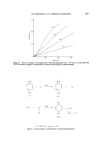
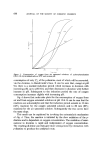
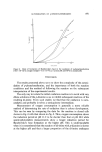
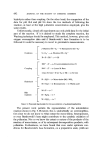
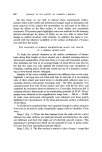
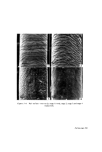
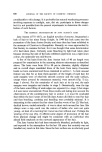
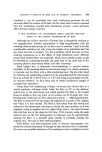
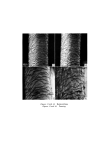
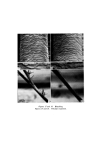
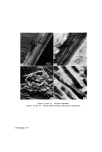
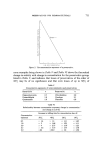
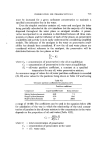
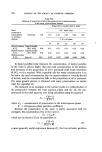
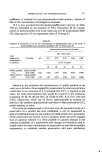
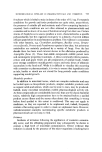
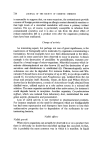
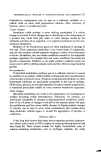
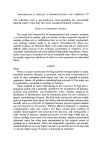
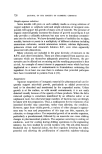
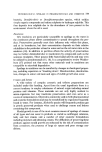
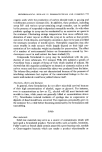
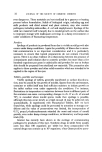
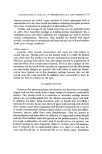
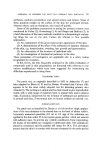
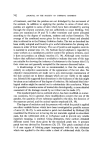
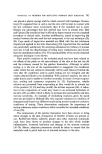
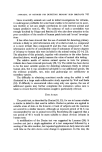
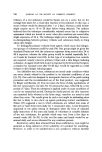
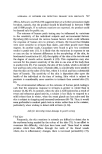
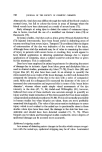
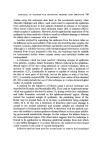
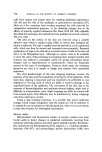
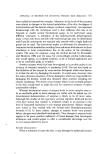
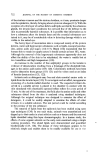
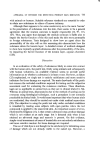
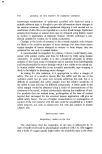
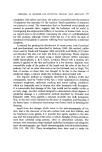
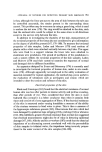
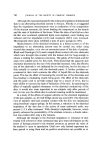
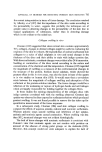
CHANGES IN SURFACE OF HAIR DUE TO COSMETIC TREATMENT 697 the free scale edges are jagged and the scale surfaces are covered by occasional elevated and depressed plateaux. Stage 3 (Fig. 3). The scale surfaces are even more irregular than those seen in stage 2. Some of the scale edges have lifted away from the underlying scales and frequently there are scratch marks and zones running parallel to the fibre axis where the scales have been eroded away. Stage 4 (Fig. 4). At this stage virtually all the scales have been eroded away, leaving a highly irregular and indented surface. Stage 5 (Fig. 5). The general surface appearance of stage 4 is present but the fibre has split into two roughly hemicylindrical components. Sometimes fragments of cuticle still adhere to the fibre. Stage 6 (Fig. 6). There is gross longitudinal splitting of the hair into many fibrous elements. Considerable differences were seen between hairs from different parts of the scalp, the most extreme being between the hairs hanging over the shoulder blades ('shoulder' hairs) and those hanging over the temple ('temple' hairs). The various stages of surface architecture at different distances from the scalp for these two types of hair are summarized as follows: Root 10 Tip 20 30 40 cm 1 2 3 4 5 • ------ --- -• , • shoulder 1 2 3 4 5 6 ,,- \ temple This result demonstrates that the temple hair has undergone much greater change than the shoulder hair and the various stages of surface structure are reached far sooner along the hair shaft for the former than the latter. On enquiring from the subject herself it was established that she combs the temple hair much more frequently than the shoulder hair (ratio 10: 1) and that she constantly pushes the temple hair away from her face and over her shoulders. From the present results it is clear that relatively normal hair such as that examined here undergoes gradual deleterious change with time and that mechanical atrophy by brushing, combing and handling contribute

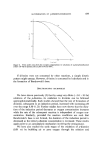
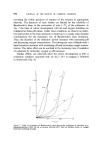
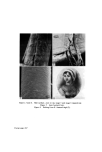
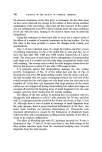
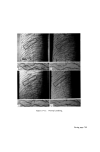
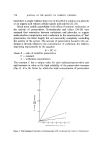
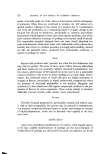
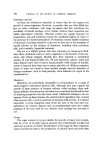
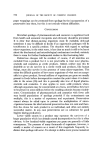
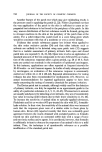
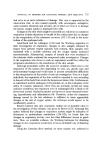
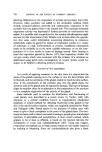
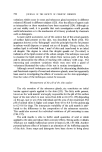
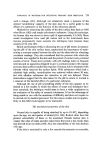
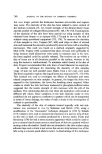
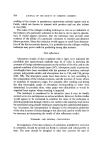
698 JOURNAL OF THE SOCIETY OF COSMETIC CHEMISTS considerably to this change. It is probable that natural weathering processes involving exposure to sunlight, rain, dirt etc. participate in these changes but it is not possible from the present experiments to determine the contri- bution of such factors. THE SURFACE ARCHITECTURE OF JANE AUSTEN'S HAIR Jane Austen (1775-1817), an English novelist of renown, bequeathed a lock of hair to her niece Fanny Knight. In 1949 this lock came into the possession of the Jane Austen Society and since then has been exhibited in the museum at Chawton in Hampshire. Recently we were approached by that Society to examine the hair, for it was thought that some deterioration of it had taken place. Certainly some bleaching by light had taken place because whereas the side of the lock exhibited uppermost was a light straw colour, the underside was mid-brown. A few of the hairs from the Jane Austen lock of 40 cm length were prepared for examination in the scanning electron microscope as described above. The hairs were from 50 to 80 •tm in diameter, slightly elliptical and in overall shape resembled those of the hairs from many Caucasian heads we have examined and those examined in section 1. A most unusual feature was that for at least three-quarters of the length of each hair the scale margins were of relatively smooth contour and the scale surfaces, except where covered by extraneous material, were smooth (Fig. 7) (i.e. stage 1 above). For the remainder of each hair at its tip end, the scale margins were irregular and similar to stage 2. Occasionally, near the tips of the hairs some lifting of scale edges was apparent (i.e. stage 3) but stages 4-6 were never encountered. From these results and taking into account the observations of the contemporary hair in section 1, it must be concluded that within the last 3 years of her life Jane Austen did little to tend her hair and that brushing, combing and handling were probably minimal. It is interesting in this context that her niece Caroline wrote of her (2) 'Her hair, darkish brown, curled naturally--it was in short curls around her face. She always wore a cap--such was the custom of ladies who were not quite young--at least of a morning but I never saw her without one'. Perhaps the wearing of the cap (Fig. 8) offered some degree of protection of the hair from physical change and might be consistent with an individual who placed little emphasis on the outward appearance of her hair. The Jane Austen hair had been extensively bleached, probably by light, and exposed to the atmosphere for the last 150 years but certainly was not handled very much in this time. Since the hair surface was in relatively good
Purchased for the exclusive use of nofirst nolast (unknown)
From: SCC Media Library & Resource Center (library.scconline.org)