118 JOURNAL OF THE SOCIETY OF COSMETIC CHEMISTS PREPARATION OF SAMPLES Bath oil.' An accurately weighed sample of bath oil containing a minimum of 1 mg of the compound being determined was diluted to several milliliters with hexane. Several •1 of the diluted sample were injected onto the GLC column to check for dilution and interfering peaks. If interfering peaks were present, the sample was chromatographed, using the Adsorption Column Procedure. If interfering peaks were absent, an aliquot of internal standard solution was added such that the peak heights of the internal stan- dard and the compound being determined were approximately equivalent (+_ 10 per cent). The amount of internal standard to be added was estimated from the previous in- jection. The solution was then analyzed according to the GLC Procedure. Skin cream.' An accurately weighed sample of skin cream containing a minimum of 1 mg of the compound being determined was quantitatively transferred to a separatory fun- nel with 50 ml of warm water. The mixture was acidified with a few drops of concen- trated HCI and extracted with five 20 ml portions of hexane. The extracts were com- bined and concentrated on a steam bath under a gentle stream of nitrogen. Several of the concentrated extract were injected onto the GLC column to check for dilution and interfering peaks. In some cases, the presence of large amounts of other cosmetic ingredients in the extract prohibited concentrating the extract sufficiently to permit measuring the vitamin. In these instances and when interfering peaks were present in the chromatogram, the extract was chromatographed, using the Adsorption Column Procedure. If interfering peaks were absent, an aliquot of internal standard solution was added to the extract such that the peak heights of internal standard and the com- pound being determined were approximately equivalent (+- 10 per cent). The amount of internal standard to be added was estimated from the previous injection. The solu- tion was then analyzed according to the GLC Procedure. Shampoo.' An accurately weighed sample of shampoo containing a minimum of 1 mg of' the compound being determined was quantitatively transferred to a separatory funnel with 25 ml of methanol-water (1:1) and extracted with five 20 ml portions of hexane- diethyl ether (1:1). The extracts were combined and evaporated to dryness on a steam bath under a gentle stream of nitrogen. Several ml of hexane were then added to the extract. A few •1 of the hexane solution were injected onto the GLC column to check ,•. for dilution and interfering peaks. If interfering peaks were present, the extract was chromatographed, using the Adsorption Column Procedure. If interfering peaks were absent, an aliquot of internal standard solution was added to the extract such that the peak heights of internal standard and the compound being determined were ap- proximately equivalent (+-10 per cent). The amount of internal standard to be added was estimated from the previous injection. The solution was then analyzed according :•11: to the GLC Procedure. Adsorption column procedure.' Samples or extracts to be chromatographed were quantita- tively transferred in 15 ml of hexane to the alumina adsorption column. The column was eluted with several small portions of hexane. Care was taken to ensure that the::: solvent level did not fall below the top of the alumina. Thirty ml of hexane were collected. When d-a-tocopherol was present, a second eluate of 25 ml diethyl ether was collected. d-a-Tocopheryl acetate was contained in the hexane eluate and d-a-toco- pherol in the ether eluate. The ether eluate was evaporated to dryness on a steam bath under a gentle stream of nitrogen and redissolved in a few milliliters ofhexane. An ali-

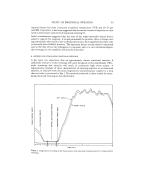
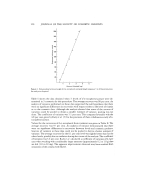
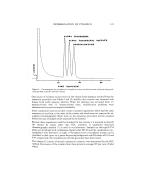
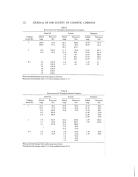
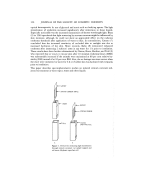
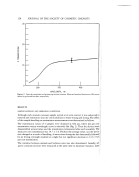
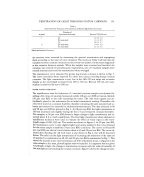
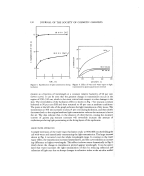
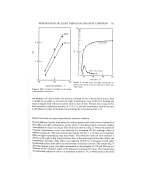
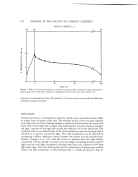
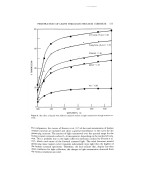
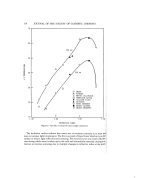
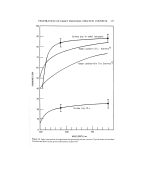
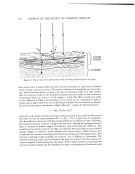
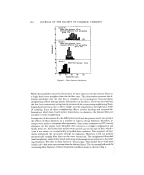
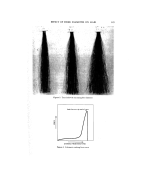
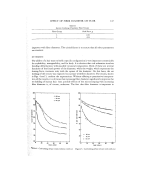
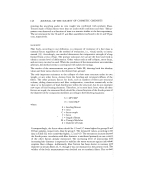
DETERMINATION OF VITAMIN E 119 quot of internal standard was then added to the fraction(s) containing the vitamin such that the peak heights of the vitamin and internal standard were approximately equivalent (-+ 10 per cent). The amount of internal standard to be added was estimated from a previous injection. The solution was then analyzed according to the GLC Procedure. DETERMINATION GLC procedure,' Each day, a standard solution containing known amounts of the com- pound being determined and internal standard was prepared in hexane such that peak heights of the two compounds were approximately equivalent (+_10 per cent). The standard and sample solutions were injected alternately, with at least 2 injections of each. Injection volume was adjusted so that peaks were 50 to 100 per cent full scale and of approximately equal height for sample and standard solutions at the appropriate range and attenuation setting. Calculation: The weight of the unknown in the sample was calculated as follows: Weight (mg) unknown = (Ru/Rs) x Ks x (ISu/ISs) where Ru is the ratio of the peak height of the unknown in the sample to that of the internal standard added to the sample Rs is the ratio of the peak height of the known standard in the standard solution to that of the internal standard in the standard solu- tion Ks is the weight (mg) of known standard in the standard solution ISu is the weight (rag) of the internal standard in the sample and ISs is the weight (mg) of internal standard added to the standard solution. .. RESULTS AND DISCUSSION Mahn et al. (4) stated that more than 10 3zg $fo•-tocopherol should be injected on the ß . GLC column for acceptable results. However, we found that peak heights varied linearly with the amount injected over the range tested (2 to 8 3zg) ford4-tocopherol, as well as for d4-tocopheryl acetate and dotriacontane, although intercepts were not always zero (Fig. 1). We selected this range because the amount of vitamin E in cos- •:i. metics may be quite small and because we prefer to determine peak heights rather than '•:: peak areas. Several investigators (3-5) found that, prior to analysis, it was necessary to saturate the ß :• column with several injections of the compound being determined in order to obtain reproducible results. We observed that this step could be eliminated by a single injec- tion of Silyl-8. This initial treatment of the column also improved sensitivity in the 0 to 4 3zg range, presumably by preventing significant loss of sample through interaction with the support. Interaction of the vitamin with the support may explain why Mahnet •.• al. recommended chromatographing 10 to 15 3zg of the tocopherol. .. The peak given by d•-tocopherol was completely resolved from that of dotriacontane (Fig. 2). The resolution of the peaks ofd4-tocopheryl acetate and dotriacontane was 1.4. The retentions of d4-tocopherol and d4-tocopheryl acetate relative to ß dotriacontane were 0.81 and 0.92, respectively. The time for completion of the chromatogram was approximately 20 min.
Purchased for the exclusive use of nofirst nolast (unknown)
From: SCC Media Library & Resource Center (library.scconline.org)