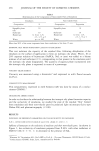
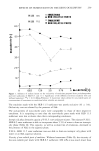
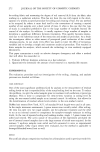
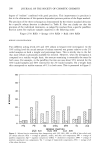
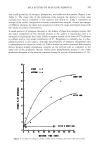
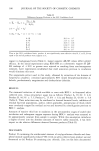
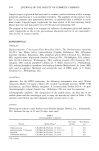
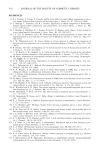
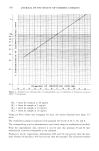
EVALUATION OF SHAMPOO DETERGENCY 281 la.I o PALMITIC STEARIC OLEIC FATTY ACID • ALS • AE$ • AO$ Figure 4. Fatty acids remaining after shampooing with 10% ALS, AES, or AOS of hair soiled with 2% sebum solution. 52 50 28 26 24 22 20 18 16 14 12 10 8 6 4 2 0 o 20 NUMBER OF SOILING/WASHING CYCLES • AL$ • AE$ • AOS Figure 5. Effects of multiple soiling/shampooing treatments on average (across all components) sebum residues on hair. Hair soiled with 2% sebum solution and shampooed with 10% ALS, AES, or AOS. Soiling/shampooing carried through one, ten, and twenty cycles.

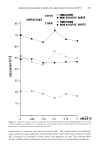
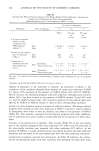
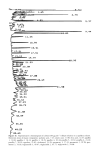
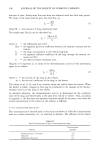
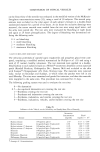
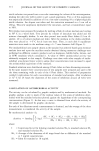
282 JOURNAL OF THE SOCIETY OF COSMETIC CHEMISTS 60 50- 40- 30- 20- 10- FFA PW SC I CHOL SPW RESIDUE FRACTION CYCLE • 10 CYCLES • 20 CYCLES I AVG Figure 6. Effects of multiple soiling/shampooing treatments on average (by chemical fraction) sebum residues on hair. Hair soiled with 2% sebum solution and shampooed with 10% ALS. Soiling/shampooing carried through one, ten, and twenty cycles. FFA = average ofpalmitic, stearic, and oleic acid components PW = average of paraffin components SQ = squalene component CHOL = cholesterol component SPW = average of synthetic spermaceti wax components TG = average of triglyceride components AVG = average of all of the above fractions. These observations are explained by the fact that at the highly soiled tress levels, the bulk removal of sebum is most likely a rollback mechanism (5) in which surfactant solution comes in contact mainly with the sebum matrix. In this type ofsebum removal, principal effects are most likely liquid-liquid (detergent--sebum) in nature, with the actual surface effects of the hair playing only a minor role. As the soiling level decreases during the cleaning process, more of the hair surface is available for surfactant-sebum- substrate interactions. This results in a relatively constan't amount of fraction residue on the substrate. COMPARISON OF THE VARIOUS SURFACTANT SYSTEMS As previously mentioned, certain sebum fractions were more effectively removed from the hair tress than others. Component removal is manifested by two key observations for the single-cycle treatments: 1. The polar sebum fractions were more easily removed from the substrate than the nonpolar fractions. 2. The degree of non-polar fraction removed is determined by the surfactant. For every surfactant system studied, the most difficult fraction to remove appears to
Purchased for the exclusive use of nofirst nolast (unknown)
From: SCC Media Library & Resource Center (library.scconline.org)