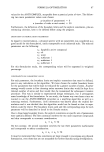
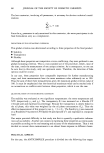
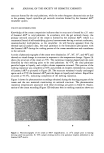
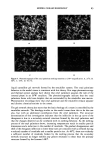
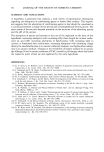
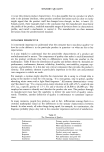
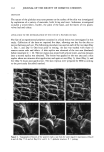
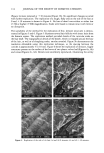
REPLICATION OF SKIN 115 ß .• .,. • .,.,• .... ß .... 880311 10K¾ XS00 GOum • :•'L REPLICA -4 , Figure 5. Replicated hair follicles present on the skin. H = hair shaft S = sheath at base of hair shaft C = cuticle. 888867 10KV Figure 6. Replication of the surface of plant leaves: (a) and (b) velvet leaf (c) and (d) coleus. G = globular structures.

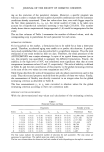
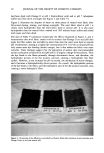
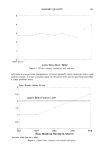
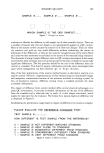
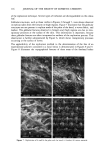
116 JOURNAL OF THE SOCIETY OF COSMETIC CHEMISTS of the replication technique. Several types of trichomes are distinguishable on the coleus leaf. Globular structures, such as those visible in Figures 2 through 5, were always observed in replicas taken from the forearm or thigh regions. Figure 7 illustrates that the globular structures are not present in replicas made of the palm of the hand, a woven fabric, and leather. The globular features observed in forearm and thigh regions are due to tran- spiratory processes at the surface of the skin. This information is important, because these globular features are often interpreted as artifacts of the replication process. This observation is further substantiated by Figure 6, which shows transpiratory processes occurring at the surface of leaves. The applicability of the replication method to the determination of the fate of an experimental polymer contained in a facial lotion is demonstrated in Figures 8 and 9. Figure 8 illustrates the topographical features of three areas of the forehead before 881250 10KV X50.0 688um Figure 7. Replication of (a and b) the palm and the hand (c) leather (d) woven material.
Purchased for the exclusive use of nofirst nolast (unknown)
From: SCC Media Library & Resource Center (library.scconline.org)