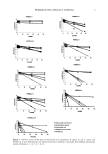
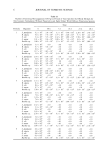
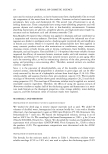
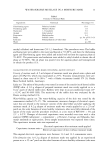
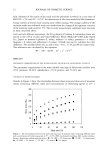
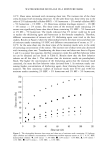
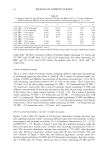
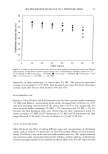
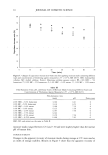
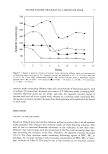
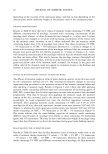
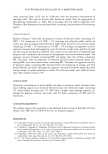
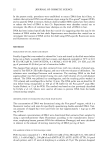
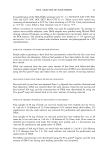
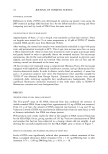
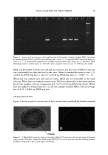
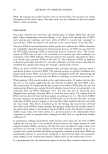
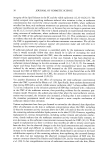
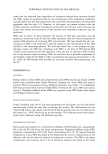
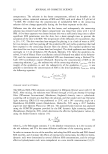
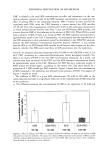
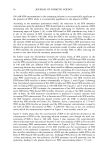
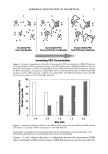
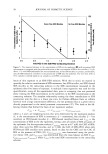
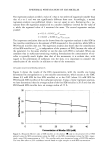
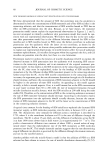
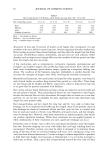
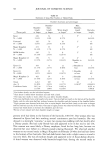
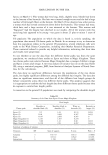
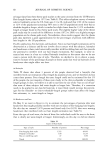
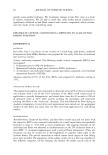
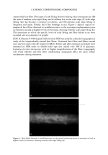
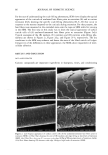
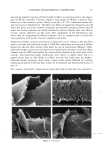
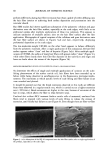
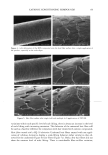
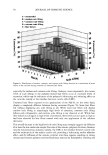
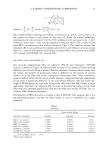
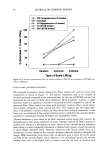
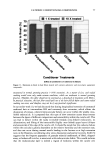
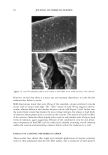
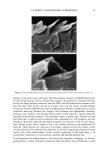
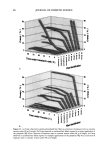
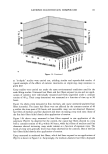
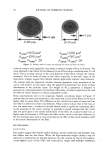
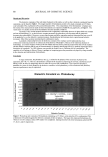
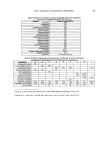
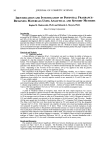
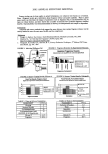
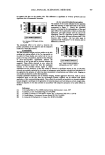
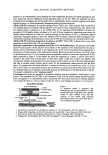
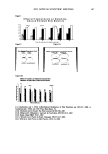
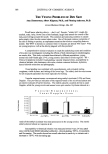
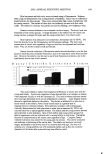
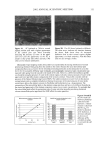
76 JOURNAL OF COSMETIC SCIENCE 100 8O 60 40 2O o + 10X Polyquaternium-10 treated • Untreated + lx Polyquaternium-10 treated • lx CETAB treated • 10x CETAB treated Random Common Extreme Type of Scale Lifting Figure 10. Cuticular reinforcement effect of cationic polymeric (PQ-10) and monomeric (CETAB) qua- ternary compounds. EFFECT OF MCCs ON BREAK EXTENSION The increased extension-to-break observed for fibers treated once and ten times with conditioners is shown in Figure 11. All cationic treatments lead to an increase in extension-to-break compared to the untreated fiber. In the case of CETAB, one and ten treatments do not seem to make much difference. With polymeric cationics, a single treatment leads to a significant increase in extension-to-break compared to that of the untreated fiber. Fibers treated ten times with polymeric cationics show a lower exten- sion-to-break compared to those treated only once. This suggests that the single treat- ment with polymeric cationics softens the fiber better than multiple treatments. In the latter case, accumulation of the cationic polymer seems to erabrittle the cuticular sheath, possibly by crosslinking through hydrogen and hydrophobic bonds. Alternate mechanism of stress release for the MCC-reinforced cuticula during fiber extension. As demonstrated in this study, improved cuticular cohesion induced by MCCs appears to inhibit scale lifting as a mechanism of stress release of the cuticula during extension. Scale lifting is either completely eliminated or delayed until greater stresses are exerted at much higher extension levels. However, whenever scale lifting cannot occur as a mechanism of stress release of the cuticula, alternate paths are found to dissipate the energy. SEM observations have shown that an alternate path is often the severe radial cracking of the cuticula (Figure 12a,b). However, it has to be pointed out that this cuticular cracking occurs only at the highest levels of extension and does not occur at extension levels

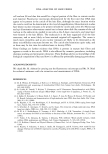
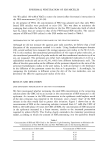
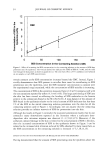
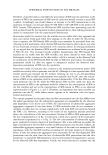
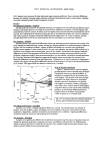
CATIONIC CONDITIONING COMPOUNDS 77 _ • •o 040 I =3o I ._o -2o I I o treated II ,. II : II treated Conditioner Treatments (Effect of conditioners on extension to failure) Figure l l. oexrension eo breal{ in hair fibers treuted with cationic polymeric und monomeric quaternctry compounds. encountered in normal grooming practices (-10% extension). As a matter of f act, such radial cracking would occur only under extreme conditions, which are irrelevant to normal grooming practices. Therefore, this effect should not be construed as a drawback of treatments with MCCs. In practical situations, the hair fiber would pull out of the hair follicle before such severe radial cracking can occur, and therefore, may not be of any practical significance. In our earlier work (1), we had discussed that during longitudinal extension of untreated/ unaltered hair at intermediate RH and extremely slow extension, which allows the dissipation of stresses, cohesive/intracuticular failure can occur within the weakly cross- linked endocuticle. It is proposed that this type of slow extension causes shear stresses between the layers of different composition and extensibility within the cuticle cell. This can lead to failure within the easily extensible (weakly cross-linked) endocuticle, its delamination, and lifting of the inextensible (highly cross-linked) upper layers (A-layer and exocuticle) of the edge of the cuticle cell. It should be noted that this cohesive failure within the cuticula is greatly dependent on the relative humidity and the extension rate, and does not occur during normal tensile loading in the Instron or at high extension rates in the Diastron, not allowing slow stress dissipation and partial recovery. Swift (5) suggests that the frequent appearance of granular material underneath, of lifted, chipped- away, or broken-off cuticles, is associated with endocuticular debris. This would indicate that the endocuticular layer is indeed a region of weakness within the cuticle cell.
Purchased for the exclusive use of nofirst nolast (unknown)
From: SCC Media Library & Resource Center (library.scconline.org)