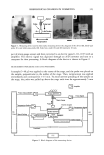
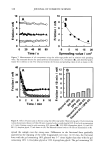
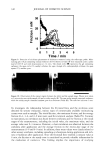
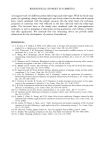
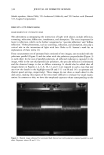
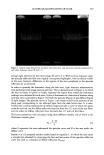
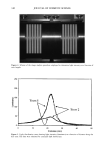
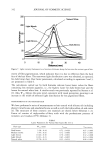
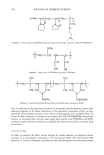
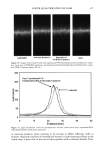
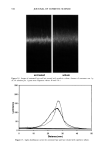
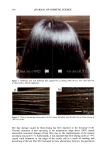
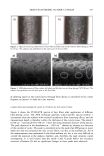
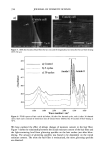
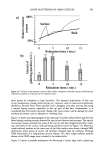
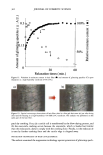
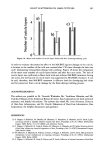
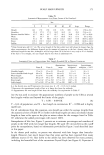
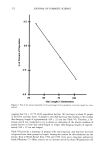
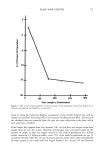
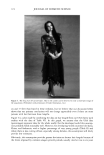
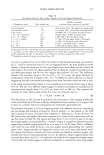
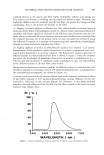
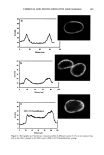
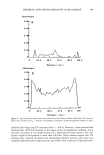
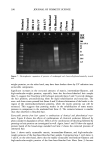
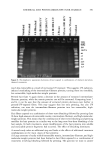
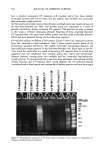
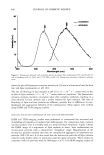
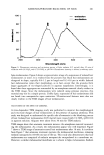
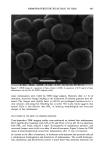
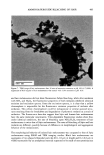
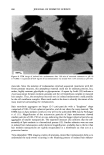
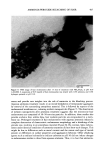
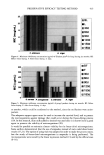
LUSTER QUANTIFICATION OF HAIR 347 untreated PVP/VCL/DMEAMA Butyl Ester of IEHC PVM/MA Copolymer Figure 10. Images of hair treated with vinyl caprolactam/PVP/dimethylaminoethyl methacrylate copoly- mer, butyl ester of PVM/MA copolymer, and isobutylene/ethylmaleimide/hydroxyethylmaleimide copoly- mer (IEHC). Exposure values: f8, 1/6 s. 2õ0 I Vinyl Caprolactam/PVP/ 200 '] Dimethylaminoethyl Methacrylate Copolymer 1 õ0 untreated 100 50 0 , , 0 10 20 30 40 50 Distance (ram) Figure 11. Light distribution curves for untreated hair and hair treated with vinyl caprolactam/PVP/ dimethylaminoethyl methacrylate copolymer. in sunscreen products, hence resulting in an increase in diffuse reflection. ZnO is, however, frequently employed in formulations because its light-scattering efficacy in the visible range is lower than in the case of other pigments such as titanium dioxide. Thus,

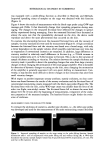
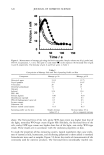
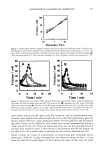
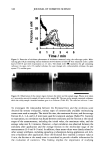
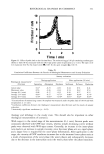
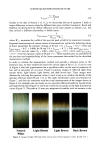
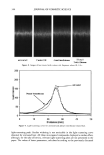
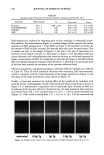
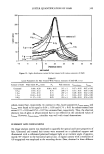
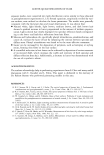
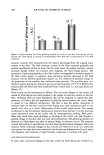
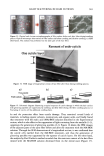
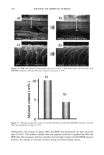
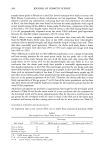
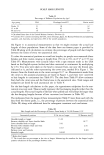
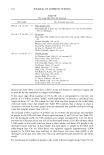
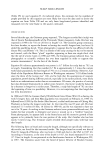
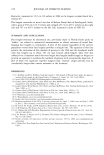
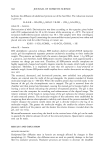
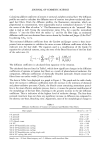
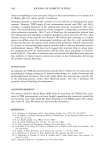
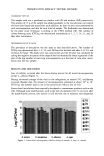
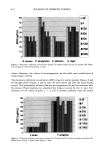
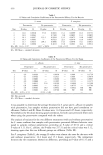
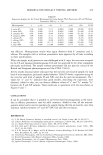
348 JOURNAL OF COSMETIC SCIENCE Table III Calculated Luster Parameters for Various Polymeric Treatments of Hair (f8 1/6 s) Treatment Peak intensity N C LReic,_Robbi• Lstam m Untreated 168 _+ 4 0.80 + 0.02 0.54 + 0.07 0.72 + 0.03 VCL/VP/DMAEMA 177 _+ 3 0.83 0.68 + 0.07 0.76 + 0.02 PVM/MA 164 + 4 0.81 0.73 + 0.03 0.80 + 0.01 IEHC 170 _+ 10 0.81 0.67 + 0.13 0.79 + 0.02 ZnO displays less tendency for whitening skin or hair, resulting in esthetically accept- able products. For demonstration, Figure 12 contains images of hair treated with various quantities of ZnO ranging from 7.5 mg ZnO/1 g of hair to 30 mg ZnO/1 g of hair. As the amount of ZnO on hair increases, the specular reflection curve becomes wider. This is evident not only in the images in Figure 12, but also in the plot of luminance as a function of tress length in Figure 13. Also shown in Figure 13 are the diffuse reflection curves (obtained with cross-polarizers) that reveal an increase in width and intensity for higher concentrations of ZnO. It is important to note that all images of the ZnO-treated hair were obtained using the exposure values f8 and 1/3 s, allowing us to accentuate areas of the hair tress outside the periphery of the specular reflection band. The luster parameters, calculated accoMing to the three different methods, are collected in Table IV. They all reveal numerical decreases with increasing ZnO concentrations, which is consistent with the visual impression of the images presented in Figure 12 and the shape of the light distribution curves shown in Figure 13. Finally, we have also examined the dulling effect on hair produced by treatment with artificial sebum. A photographic record of untreated and sebum-treated hair is shown in Figure 14. It demonstrates a significant loss in maximum light intensity as well as a broadening of the specular reflection. Quantitatively, the peak maximum light intensity was reduced from 168 + 4 for untreated hair to 127.01 + 3.56 for sebum-modified hair (Figure 15). Peak width increased from 6.71 + 0.35 to 11.39 + 0.29 for untreated and untreated 0.5g/2g lg/2g 1.5g/2g 2g/2g Figure 12. Images of hair treated with various amounts of ZnO. Exposure values: f8 and 1/3 s.
Purchased for the exclusive use of nofirst nolast (unknown)
From: SCC Media Library & Resource Center (library.scconline.org)