466 JOURNAL OF COSMETIC SCIENCE responsible for the cross-linking of elastin and collagen. Loss of natural collagen causes wrinkles and skin aging (4). AA (vitamin C, L-ascorbic acid) is a natural non-enzymatic antioxidant that neutralizes the reactive oxygen species and free radicals. AA efficiently protects biological molecules against oxidative degradation. When topically applied, it is capable of controlling the inflammation resulting from ultraviolet exposure that eventually leads to wrinkling and skin cancer (3). Recent studies have shown that AA is absorbed by the epidermis in levels high enough to protect the skin from UV radiation damage as measured by erythema and sunburn formation (10,11). AA also improves the elasticity of the skin and reduces wrinkles by promoting the formation of collagen, which is a protein necessary for the formation of connective tissue in muscles, skin, bones, and cartilage (12,13). Because of the capability of suppressing pigmentation of the skin and decomposition of melanin, it can be used to whiten the skin (14,15). Older skin, in particular, may not get enough AA from the body's internal blood supply, and so it makes sense to apply it topically for antioxidant protection. Because of the favorable effects of AA, the use of it in dermocosmetic formulations for skin care is important. Due to its excellent reducing efficiency, AA is extremely unstable under aerobic con ditions, especially in aqueous solutions, by reaction with dissolved oxygen, and can't be protected from significant oxidation in the finished product. It is degraded irreversibly and quickly to the biologically inactive form (2,3-diketo-L-gulonic acid). Contact with metal ions and light exposure promotes oxidation (16-18). Since most cosmetics are complex emulsions containing oil and water, AA can't possibly remain stable and may not be effective for skin maintenance and repair. Derivatives of AA are therefore syn thesized with similar action on the skin to overcome the stability problems (13, 16, 19). Hydrophilic calcium ascorbate (CAAS) is one of these derivatives that can be used for better chemical stability. Tocopherol (T) (vitamin E, d-a-tocopherol) is a potent non-enzymatic free-radical scav enger, emollient, and skin moisturizer. It is widely used in dermocosmetic products. This natural vitamin can protect skin from UV light, improve the appearance of skin, and delay the progression of aging in a manner similar to that of AA and its derivatives (4,5,11). Because of its lipophilic character, T penetrates more easily than AA and its hydrophilic salts. Its benefit to skin has been reported in the literature (5, 11,20). This study complements our previous study (21 ). We compared the skin-moisturizing effects of two AA derivatives, lipophilic ascorbyl palmitate (AP) and hydrophilic CAAS at different concentrations (2% and 5%, w/w) with those of a commercial skin care product containing T (5 % ). After evaluation of the data obtained, we decided to compare the skin moisturizing effect of AA or CAAS to that of T. AA, CAAS, and T (5%, w/w) were incorporated into two types of base emulsion formulations (i.e., o/w and w/o), alone and in combinations. Emulsion creams were then applied to the inner forearms of ten volunteers. The moisturizing effect of the formulations was investigated in a one-sided blind placebo-controlled study performed as short-term and long-term trials. The results were statistically evaluated. MATERIALS AND METHODS MATERIALS Ascorbic acid (Merck, Germany), calcium ascorbate (Merck, Germany), and tocopherol (Roche, Switzerland) were kindly provided by Roche, Istanbul. Cetyl alcohol, propylene

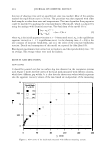
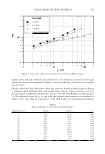
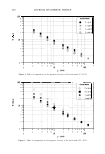
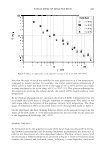
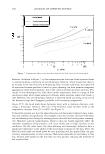
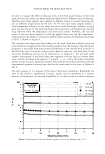
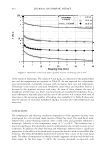
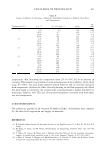
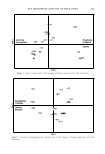
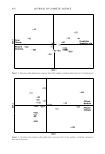
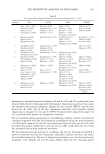
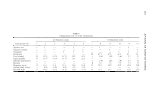
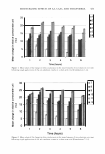
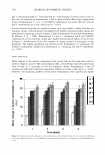
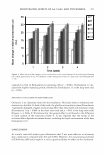
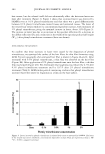
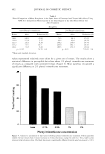
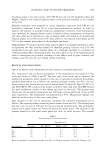
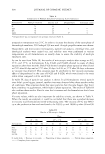
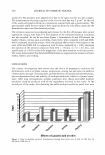
MOISTURIZING EFFECTS OF AA, CAAS, AND TOCOPHEROL 467 glycol, and glyceryl monostearate were obtained from Merck (Germany), Sigma (Ger many), and Aksrn Kimya (Turkey), respectively. Beeswax, liquid paraffin, and petrola tum were obtained from Doga (Turkey). Other chemicals were of analytical grade. METHODS Preparation of topical formulations. Compositions (w/w %) of o/w and w/o emulsion creams containing 5% AA, CAAS, T, and their combinations are shown in Table I. After preparation, the formulations were dyed using a methylene blue solution (0.5%, w/v) and investigated under a light microscope. Formulations 1-6 and 7-12 were confirmed to be o/w emulsions and w/o emulsions, respectively. The formation of o/w emulsions in formulations 1-6 can be attributed to the high detergent effect of sodium laury sulfate, which has a high hydrophilic-lipophilic balance (HLB) value of 40. Moisturization testing on skin. This study was performed as one-sided blind and placebo controlled in two orders as short-term and long-term trials. The creams containing active substance(s) (versus placebo creams) were applied to the inner forearms of ten Caucasian female volunteers aged 32 ± 6.4 years. Prior to the trials, the baseline values of the volunteers were taken using 2 x 2 cm test areas (2 cm apart) on the inner forearms. Each designated area was then treated with 0.01 ml of a test formulation (1-12) (Table I). Test conditions were as follows: 22°C temperature, 60% relative humidity. After applying the test formulations once in the manner as explained above, skin hydration readings were taken up to six hours in the short-term trial. In the long-term trial, test formulations were applied twice a day during four weeks, and the readings were taken every weekend. Three skin hydration readings at each test site were recorded by using a Corneometer CM 825 (Courage + Khazaka, Germany). Changes in skin conductance were detected as corneometer units and calculated (21). Statistical evalua tion was performed using Student's t-test. RES UL TS AND DISCUSSION The measuring method of the corneometer is based on the physical principle of a common capacitor, i.e., on the completely different dielectric constant of water (81) and other substances (mostly 7). The measuring capacitor shows changes in capacitance according to the moisture content of the samples. An electric scatterfield penetrates the skin during the measurement, and the dielectricity is determined. An electric field between the tracks with alternating attraction develops. The scatterfield penetrates the very first layer of the skin and determines the dielectricity (22). It was reported that the corneometer is very sensitive for measurements at low hydration and less sensitive in the range of very high hydration values (23,24). SHORT-TERM TRIAL Mean changes in the relative corneometer unit (rcu) versus time for the short-term trial are shown in Figures 1 and 2. According to the results obtained from corneometer measurements in the case of the o/w emulsion creams, formulation 4 containing T displayed significantly higher skin moisturization compared with that of formulations 3
Purchased for the exclusive use of nofirst nolast (unknown)
From: SCC Media Library & Resource Center (library.scconline.org)