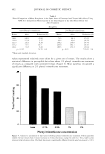
488 JOURNAL OF COSMETIC SCIENCE tigations regarding the feasibility of topical controlled delivery systems, loading GA in order to optimize its cosmetic properties and lowering its side effects, have been going on. Procedural side effects and the complications of chemical peeling are known to be best controlled by careful preoperative screening (8) and by preparing the most suitable formulation. Strontium salts have been demonstrated to inhibit sensory irritation and inflammation when applied topically (9-11), and it was reported that dexpanthenol was found to create accelerated and improved wound healing (12). Water-in-oil-in-water (w/o/w) multiple emulsions are composed of oily globules dis persed in an aqueous phase and which themselves contain aqueous microglobules. These multiple systems have been widely used over the last twenty years in pharmaceuticals ( 13, 14) and cosmetics (15, 16). The main applications of these systems are in the en trapment of fragile drugs such as ascorbic acid (17) and proteins (18) or drugs with undesirable side effects, and as a formulation for controlled release preparations (19). Multiple emulsions were reported to release their contents more slowly than w/o and o/w emulsions (20). Taking all these findings into account, the aim of this study was to investigate the properties of this chemical peeling substance (GA) together with a wound-healing agent (dexpanthenol-D) and a chemically induced sensory irritation-suppressing agent (stron tium nitrate-S) in a novel cosmetic delivery system, in multiple emulsions for the first time. MATERIALS AND METHODS MATERIALS This study employed glycolic acid (Merck), dexpanthenol (Fluka), strontium nitrate (Riedel de Haen), Abil EM 90 (cetyl dimethicone copolyol) (Goldschmidt), and Tween 80 (Merck). It also employed a SOIF H-ZSX/Syne Master 5 l0S microscope, a Brookfield DVII viscometer, and a KIKA Labortechnik RW20 DZM mechanical mixer. METHODS Production of multiple emulsions. Multiple emulsions are complex, inherently unstable systems that are unlikely to be commercially acceptable as drug delivery systems until the problems of their instability in vitro and in vivo are solved (21). It has been reported that to improve photostability, attempts were made to polymerize appropriate mono mers in the aqueous phases of w/o/w multiple emulsions. The aim was to reduce the potential for coalescence of the internal aqueous droplets. Because the preparation of a w/o/w system is a two-step procedure, it is possible to modify the primary aqueous phase, which subsequently becomes the continuous aqueous phase. Each aqueous phase can be gelled by in situ polymerization. The aim of our research was to prepare stable w/o/w multiple emulsions and to ensure that their physiochemical properties were not modified by adding the chosen cosmetic actives (glycolic acid, strontium nitrate, and dexpanthenol). We obtained multiple

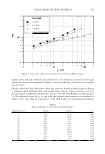
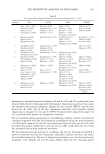
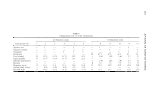
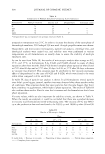
GLYCOLIC ACID IN W/0/W EMULSION 489 emulsions using a two-step process. Abil EM 90 was used in the lipophilic phase and MgS04 7H20 in the internal aqueous phase of the primary emulsion as in a similar study (22). Multiple emulsions were prepared by using lypophilic surfactant Abil EM 90 and hydrophilic surfactant Tween 80 in a two-step emulsification method. In order to improve the stability of multiple emulsions, preparation conditions of the formulations were optimized by changing factors such as oil phase volume, temperature, mixing rate and time, addition of electrolytes, type of mixing shaft, and densities of internal and external phases. GA (2 5 % ) and S (5 % ) were added to the external water phase and D (5 % ) to the internal water phase of the multiple emulsions. Dexpanthenol 5% was put into the inner aqueous phase of a multiple emulsion in order to regenerate the skin disorders formed by chemical peeling. Glycolic acid 25% was incorporated into the outer aqueous phase of a multiple emulsion to accelerate its chemical peeling effect. Strontium nitrate was also added to one of the formulations in order to investigate the probable lowering of side effects such as pain, burning, and itching caused by glycolic acid during chemical peeling. RES UL TS AND DISCUSSION EFFECTS OF PRODUCTION PARAMETERS ON THE STABILITY OF MULTIPLE EMULSIONS The composition and production parameters of the formulations investigated in this study are shown in Tables I and II. The first step of the study was to optimize the production parameters. Data obtained in the case of optimized conditions for primary emulsion formulation are as follows: the optimal oil phase volume was 20%, the sur factant chosen was among the ones tested, namely Span 20, Span 80, Span 20-80 (1:1), and Abil EM 90. We conducted the studies with all of these, and since Abil EM 90 gave the most satisfactory results, it was chosen and used in our study. The mixing time chosen was 15 min and the mixing rate was 1500 rpm, with an additional 15 min at 800 rpm, respectively. The temperature was maintained as 80°C. Magnesium sulphate was added as an electrolyte to the inner water phase. Data obtained in the case of optimized conditions for emulsion formulation are as follows: The optimal primary emulsion phase volume chosen was 80%. The mixing time and rate were 45 min at 500 rpm for the second-step emulsification. The hydrophilic surface active agent chosen was Tween 80 among the others tested. The addition of the primary emulsion to the outer water phase was slow, by small portions. The optimal Table I Formulations of Primary Emulsions Ingredients(%) Formulations Oil phase Abil EM 90 MgSO4 7H20 Water Dexpanthenol G 20 4 0.7 75.3 GD 20 4 0.7 70.3 5 GS 20 4 0.7 75.3 GDS 20 4 0.7 703 5 Ratio of ingredients in multiple emulsion is as 80:4:16 (Primary emulsion: Tween 80: Carbopol 2%).
Purchased for the exclusive use of nofirst nolast (unknown)
From: SCC Media Library & Resource Center (library.scconline.org)