]. Cosrnet. Sci., 57, 475-485 (November/December 2006) A study correlating between instrumental and consumers' subjective luster values in oriental hair tresses JUN MAN LIM, MIN YOUL CHANG, MUN EOK PARK, TAEK JONG KW AK, JIN JUN KIM, and CHEON KOO LEE, Cosmetic R&D Center, LG Household & Healthcare, Research Park #84, Jang-dong, Yusong-gu, Taejon 305-343 Korea. Accepted for publication August 25, 2006. Synopsis Hair luster has long been a key objective for consumers in the hair care market and many researchers have sought to quantitate the luster of hair fibers or tresses. Recently, a fast polarimetric video camera called SAMBA with a high polarization contrast was introduced that can effectively separate specular and diffuse light. Instrumental measurement of shine using SAMBA was conducted to quantitate the luster on phenyl trimethicone-treated hair tresses. We confirmed with atomic force microscopy that phenyl trimethicone's luster-enhancing effect was related to its reduction of hair surface. Panel tests by 15 untrained panelists were carried out to determine whether their assessment corresponded with instrumental results. The instrumental data showed an excellent correlation with subjective assessments from the 15 panelists. This study shows that SAMBA has utility as an instrumental technique for hair luster evaluation and is in good agreement with consumers' subjective evaluation of luster. INTRODUCTION For many consumers, clean and healthy-looking hair is a high priority when purchasing hair care products. Consumers say that hair is clean and healthy when it looks shiny and elastic. From the perspective of good appearance, hair shine is more important than elasticity because of the attractive visual effect. Therefore, hair shine is a key objective for consumers in the hair care market. Hair luster is associated with the appearance of strongly contrasting, adjacent areas of light and dark caused by various reflective angles of incident light. When incident light strikes a surface, a portion of light is reflected specularly when the angle of reflectance equals the incident angle, or reflected diffusely at angles other than the incident angle. This specular reflectance can be observed as a white reflection when one looks at an object from the specular angle. Consumers describe it as gloss, shine, or luster. Address all correspondence to Jun Man Lim. 475

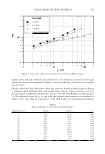
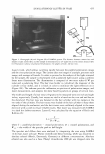
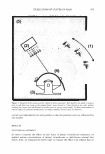
476 JOURNAL OF COSMETIC SCIENCE Many researchers have measured the luster of hair fibers or tresses using a classical gloss meter, shine box, goniophotometer, laser-based multiple-angle goniophotometer, or image analysis (1-7). However, it is not an easy task to quantitate luster in hair tresses because of the necessity to align the fibers of the tresses consistently, to control lighting, to use multiple observers to evaluate the tresses, and to use replication (8). Hair care formulators have difficulty in obtaining meaningful shine values because of the discon tinuous nature of hair, which causes tremendous variations in hair tresses (5 ,8,9). Recently, a fast polarimetric video camera with high polarization contrast was intro duced to effectively separate specular and diffuse light, and to carry out accurate gloss measurements (9). Using polarized illumination, the polarimetric camera, called SAMBA, provides reliable hair luster information with a simple measurement. In ad dition, the application of atomic force microscopy (AFM) to study hair was recently introduced (10-12). This technology has made it possible to make extremely small measurements on hair fibers and to image the hair fiber surface using methods such as scanning electron microscopy. In this study, the effect of phenyl trimethicone on hair tress luster was quantitatively measured by employing SAMBA as the polarimetric imaging system. We used AFM to measure roughness following treatment with phenyl trimethicone. We evaluated the correlation between the instrumental data from SAMBA and consumers' perception of luster after phenyl trimethicone treatment. MATERIALS AND METHODS HAIR TRESS PREP ARA TI ON All measurements were made on dark brown oriental hair tresses (DeMeo Brothers, New York) at ambient conditions (22° ± 1 ° C and SO ± 5% relative humidity). The hair samples were about eight inches in length and approximately 2 grams in weight. Tresses were washed twice with a solution of ammonium lauryl sulfate (4.5% w/w) in deionized water. They were rinsed under warm (40°C) running water for 30 seconds between washings and for 60 seconds after the second washing. Excess water was squeezed from the tresses by pulling them between two fingers. The tresses were laid on a clean paper towel and allowed to air dry overnight at ambient conditions (22° ± 1 ° C and SO ± 5% relative humidity). HAIR LUSTER MEASUREMENT The hair luster evaluation apparatus used in this study was described previously (9). A polarimetric imaging system called SAMBA (Bossa Nova Technologies, Venice, Cali fornia) consists of a black-and-white polarization camera (760 x 580 resolution) to record line profiles, polarized linear neon illumination, a hair cylinder, and SAMBA 12-bit hair-luster software. Figure 1 shows some geometric details of the system. SAMBA is based on the analysis of the light scattered by a hair tress and its decompo sition into specular light, surface-scattered light, and volume-scattered light or diffused light. The SAMBA camera takes linear polarization images in real time using a fast
Purchased for the exclusive use of nofirst nolast (unknown)
From: SCC Media Library & Resource Center (library.scconline.org)