2006 ANNUAL SCIENTIFIC MEETING 79
Often cleaners will employ acids or bases as sources for hydrolysis, which help break down complex chemical
structures into more water-soluble entities. Chelating agents aid in limiting the effects of water hardness, and
can assist in the actual cleaning action, due to their sequestering and anti-redeposition characteristics. Other
chemistries used in formulated cleaners include solvents, enzymes, builders, and corrosion inhibitors. All of
these ingredients assist in cleaning the surface, protecting the substrate (surfaces), and rinsing the soil and
cleaning product away. Formulated cleaning products offer the advantage of providing a broad-spectrum
cleaning approach for many different product types.
Methods
Two commercially available cosmetic products, waterproof mascara and lip balm, were tested separately in
side-by-side cleaning studies. Each product (soil) was applied to a series of 316-grade stainless steel coupons,
7 .6 x 2.5 cm in size, covering approximately 11 cm2 of each coupon. The amount of soil varied with each
product. The soiled coupon was allowed to dry for 48 hours at ambient laboratory conditions. The coupons
were weighed before and after each product was applied, and after the cleaning process. The percentage of soil
removed is calculated by the weight difference before and after cleaning.
Three cleaning solutions were evaluated: deionized water, sodium hydroxide solution and a formulated
cleaner solution (which contains, among other ingredients, surfactant, chelating agents, and hydroxide). The
formulated cleaner was diluted in deionized water to 5% wt/wt. The sodium hydroxide was diluted to match
the alkalinity in the formulated cleaner.
Results and Discussion
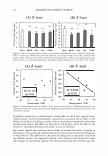
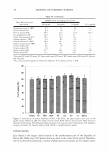
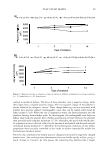
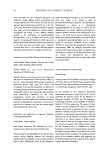
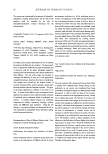
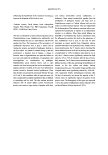
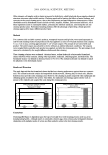
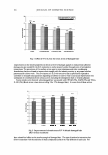
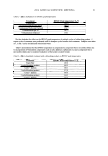
The study depicted that the formulated cleaner had the best cleaning performance against these two cosmetic
soils. The sodium hydroxide solution did outperform deionized water, showing that, for these soils, alkaline
hydrolysis does provide some cleaning action. However, the cleaning is greatly improved when surfactants and
chelating agents are added to the system. Most likely, the surfactant and chelating agent systems work in
unison to lift, emulsify and suspend the soils during the cleaning process.
Cleaning Performance of Dlffereni Chemistries
Against Water-Proof Mascara
A1feaw4••anhtt!IIG•c111Mn1Mt
1---------- ---
l
l r·
Conclusions
Cleaning Performance of Different Chemistries
Against Lip Balm
A.,._...IM••nkn/lO•c11f�rtuc.s
J-1-- ----------
!i •�-------------
Cleaning performance is dependent upon the type of soil and the overall cleaning process used in a given
manufacturing facility. Although water or commodity cleaners may clean certain soils, formulated cleaning
chemistries with multiple modes of action are often needed to achieve the best cleaning results.
Often cleaners will employ acids or bases as sources for hydrolysis, which help break down complex chemical
structures into more water-soluble entities. Chelating agents aid in limiting the effects of water hardness, and
can assist in the actual cleaning action, due to their sequestering and anti-redeposition characteristics. Other
chemistries used in formulated cleaners include solvents, enzymes, builders, and corrosion inhibitors. All of
these ingredients assist in cleaning the surface, protecting the substrate (surfaces), and rinsing the soil and
cleaning product away. Formulated cleaning products offer the advantage of providing a broad-spectrum
cleaning approach for many different product types.
Methods
Two commercially available cosmetic products, waterproof mascara and lip balm, were tested separately in
side-by-side cleaning studies. Each product (soil) was applied to a series of 316-grade stainless steel coupons,
7 .6 x 2.5 cm in size, covering approximately 11 cm2 of each coupon. The amount of soil varied with each
product. The soiled coupon was allowed to dry for 48 hours at ambient laboratory conditions. The coupons
were weighed before and after each product was applied, and after the cleaning process. The percentage of soil
removed is calculated by the weight difference before and after cleaning.
Three cleaning solutions were evaluated: deionized water, sodium hydroxide solution and a formulated
cleaner solution (which contains, among other ingredients, surfactant, chelating agents, and hydroxide). The
formulated cleaner was diluted in deionized water to 5% wt/wt. The sodium hydroxide was diluted to match
the alkalinity in the formulated cleaner.
Results and Discussion
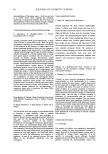
The study depicted that the formulated cleaner had the best cleaning performance against these two cosmetic
soils. The sodium hydroxide solution did outperform deionized water, showing that, for these soils, alkaline
hydrolysis does provide some cleaning action. However, the cleaning is greatly improved when surfactants and
chelating agents are added to the system. Most likely, the surfactant and chelating agent systems work in
unison to lift, emulsify and suspend the soils during the cleaning process.
Cleaning Performance of Dlffereni Chemistries
Against Water-Proof Mascara
A1feaw4••anhtt!IIG•c111Mn1Mt
1---------- ---
l
l r·
Conclusions
Cleaning Performance of Different Chemistries
Against Lip Balm
A.,._...IM••nkn/lO•c11f�rtuc.s
J-1-- ----------
!i •�-------------
Cleaning performance is dependent upon the type of soil and the overall cleaning process used in a given
manufacturing facility. Although water or commodity cleaners may clean certain soils, formulated cleaning
chemistries with multiple modes of action are often needed to achieve the best cleaning results.