2006 ANNUAL SCIENTIFIC MEETING 77
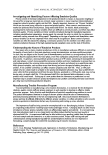
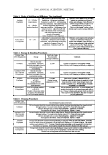
Table J: Order of Addition and Efficiency Tips (continued)
Add polymerto(deionized) water of the Efficiency can be improved by including
Acrylates 1.0-3.0o/ofor formulation. Add primary surfactants. betaines in combination with typical
Copolymer clear products Neutralize to a pH of6.5. Add remaining sulfates and sulfonates. Best efficiency in
(specialty) surfactant'!. Add conditioning and systems using moderate to high level of
1.5 l.8%for ancill
ary
in
gr
edient'!, and if desired, surfactant actives (15-23 wt.%).
pearlized products appearance modifiers. Add fragrance, dyes "Back-acid thickening',.and/or sodium
and preservatives. Adjust final pH with chloride can be used to increase efficiency.
citric acid solution ("back-acid" process).
Add sodium chloride to adjust
viscosity (if necessary).
Order of addition is very important.
Add pol
ym
er to (deionized) water of the Efficiency can be improved by including
Polyacrylate-1 1.0 1.5% formulation. Add primary and secondary betaines in combination with typical
Crosspolymer surfactant'!. Add conditioning and ancillary sulfates and sulfonates. Best efficiency in
ingredients, fragrance,dyesand systems using moderate to high surfactant
preservatives. Neutralize to pH 6.0 actives (15-23 wt.%). "Back-alkaline
thickening''3 and/or sodium chloride can be
used to increase efficiencv.
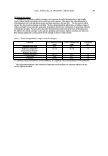
Ta e :bl 4 S tora• e &B andhne: p roce d ures
Polymer Type Shelf Life (Under
(INCI Designation) Storage Recommended Comments
Storage Conditions)
Storeinclean, dry
Carbomer environment. Containers 2 years Polymerissuppliedat2%moisture�
should be kept tightly closed to above 2% may cause clumping or difficulty in dispersion.
avoid moisture pickup.
Avoid dusting.
Acrylates/C 10-30 Store in clean, dry
Alkyl Al-'rylate environment. Containers 2 years Polymerissuppliedat2%moisturec
Crosspolymer should be kepttightlyclosed to above 2% may cause clumping or difficulty in dispersion.
avoid moisture pickup.
Acrylates Store in unopened containers 9months. Best results if product is filtered before use.
Copol
ym
er at 5-30°C. Optimal storage Conditions exposing the
poymer
l (as supplied) to high
Do not FREEZE. temperature is 21 °C. shear should be avoided. Keep storage vessels and
Recommended to use in full transfer equipment clean. Prompt flushing of transfer
drum quantities. eauioment is recommended.
Polyacrylate-1 Store in unopened containers 6months. Mix (do not filter) prior to use. To avoid skinning and
Crosspol
ym
er at 20-30°C. product discoloration. do not open drums until ready to
Product is freeze-thaw stable use. Pol
ymer
contains amine groups which can discolor
as supplied Recommended when exposed to the atmosphere this does not impact
to use in full drum quantities. oolvmer nerformance.
T b 5 Cl a le�: eamn2 Procedures
Polymer Type
(INCI Designation) Recommended Procedure (Overview)
Oil-free formulas should be cleaned with hot saline solution. Emulsion formulas should be cleaned with hot
Carbomer detergent solution. Use wann to hot alkaline water (65°C). Raise pH using caustic.
Add ionic detergent such as sodium tri
po
lyphosphate. Agitate for 30 minutes.
Tum agitation off &drain. Scrao loose dcoosits. Reoeat 2-3 times.
Acrvlates/C 10-30 Oil-free formulas should be cleaned with hot saline solution. Emulsion formulas should be cleaned with hot
Alkyl Acrylate detergent solution. Use warm to hot alkaline water (65°C). Raise pH using caustic.
Crosspolymer Add ionic detergent such as sodium tripolyphosphate. Agitate for 30 minutes.
Tum agitation off &drain. Scrap loose deposits. Repeat 2-3 times.
Acrylates Storage tanks should be cleaned by thorough flushing or using the caustic fill and soak method. If buildup
Copolymer occurs on smaller pieces of equipment, it can be removed by soaking in 1.5% caustic solution. The causitc
solution can be heated to 75°C. Cleaning of transfer piping and pumps can be minimized by leaving lines
full (with no air tOCkets ).If not kept full, transfer lines should be flushed well after each use.
Polyacrylate-1 Storage tanks should be cleaned by thorough flushing or using an acidic solution to soak and then flush.
Crosspol)'mer If buildup occurs on smaller pieces of equipment, it can be removed by soaking.
Transfer lines and equipment should be flushed well after each use.
Table J: Order of Addition and Efficiency Tips (continued)
Add polymerto(deionized) water of the Efficiency can be improved by including
Acrylates 1.0-3.0o/ofor formulation. Add primary surfactants. betaines in combination with typical
Copolymer clear products Neutralize to a pH of6.5. Add remaining sulfates and sulfonates. Best efficiency in
(specialty) surfactant'!. Add conditioning and systems using moderate to high level of
1.5 l.8%for ancill
ary
in
gr
edient'!, and if desired, surfactant actives (15-23 wt.%).
pearlized products appearance modifiers. Add fragrance, dyes "Back-acid thickening',.and/or sodium
and preservatives. Adjust final pH with chloride can be used to increase efficiency.
citric acid solution ("back-acid" process).
Add sodium chloride to adjust
viscosity (if necessary).
Order of addition is very important.
Add pol
ym
er to (deionized) water of the Efficiency can be improved by including
Polyacrylate-1 1.0 1.5% formulation. Add primary and secondary betaines in combination with typical
Crosspolymer surfactant'!. Add conditioning and ancillary sulfates and sulfonates. Best efficiency in
ingredients, fragrance,dyesand systems using moderate to high surfactant
preservatives. Neutralize to pH 6.0 actives (15-23 wt.%). "Back-alkaline
thickening''3 and/or sodium chloride can be
used to increase efficiencv.
Ta e :bl 4 S tora• e &B andhne: p roce d ures
Polymer Type Shelf Life (Under
(INCI Designation) Storage Recommended Comments
Storage Conditions)
Storeinclean, dry
Carbomer environment. Containers 2 years Polymerissuppliedat2%moisture�
should be kept tightly closed to above 2% may cause clumping or difficulty in dispersion.
avoid moisture pickup.
Avoid dusting.
Acrylates/C 10-30 Store in clean, dry
Alkyl Al-'rylate environment. Containers 2 years Polymerissuppliedat2%moisturec
Crosspolymer should be kepttightlyclosed to above 2% may cause clumping or difficulty in dispersion.
avoid moisture pickup.
Acrylates Store in unopened containers 9months. Best results if product is filtered before use.
Copol
ym
er at 5-30°C. Optimal storage Conditions exposing the
poymer
l (as supplied) to high
Do not FREEZE. temperature is 21 °C. shear should be avoided. Keep storage vessels and
Recommended to use in full transfer equipment clean. Prompt flushing of transfer
drum quantities. eauioment is recommended.
Polyacrylate-1 Store in unopened containers 6months. Mix (do not filter) prior to use. To avoid skinning and
Crosspol
ym
er at 20-30°C. product discoloration. do not open drums until ready to
Product is freeze-thaw stable use. Pol
ymer
contains amine groups which can discolor
as supplied Recommended when exposed to the atmosphere this does not impact
to use in full drum quantities. oolvmer nerformance.
T b 5 Cl a le�: eamn2 Procedures
Polymer Type
(INCI Designation) Recommended Procedure (Overview)
Oil-free formulas should be cleaned with hot saline solution. Emulsion formulas should be cleaned with hot
Carbomer detergent solution. Use wann to hot alkaline water (65°C). Raise pH using caustic.
Add ionic detergent such as sodium tri
po
lyphosphate. Agitate for 30 minutes.
Tum agitation off &drain. Scrao loose dcoosits. Reoeat 2-3 times.
Acrvlates/C 10-30 Oil-free formulas should be cleaned with hot saline solution. Emulsion formulas should be cleaned with hot
Alkyl Acrylate detergent solution. Use warm to hot alkaline water (65°C). Raise pH using caustic.
Crosspolymer Add ionic detergent such as sodium tripolyphosphate. Agitate for 30 minutes.
Tum agitation off &drain. Scrap loose deposits. Repeat 2-3 times.
Acrylates Storage tanks should be cleaned by thorough flushing or using the caustic fill and soak method. If buildup
Copolymer occurs on smaller pieces of equipment, it can be removed by soaking in 1.5% caustic solution. The causitc
solution can be heated to 75°C. Cleaning of transfer piping and pumps can be minimized by leaving lines
full (with no air tOCkets ).If not kept full, transfer lines should be flushed well after each use.
Polyacrylate-1 Storage tanks should be cleaned by thorough flushing or using an acidic solution to soak and then flush.
Crosspol)'mer If buildup occurs on smaller pieces of equipment, it can be removed by soaking.
Transfer lines and equipment should be flushed well after each use.