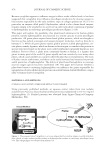
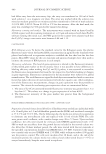
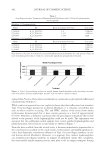
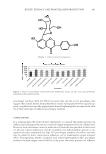
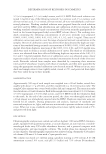
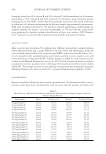
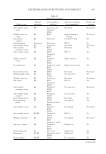
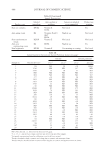
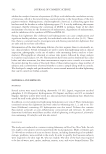
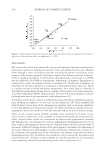
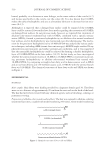
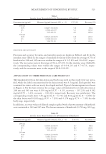
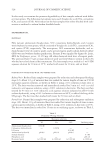
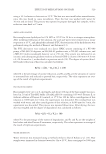
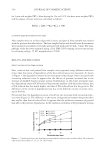
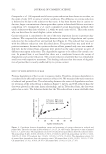
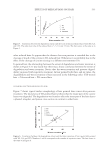
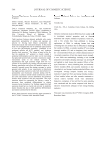
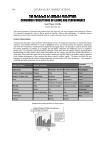
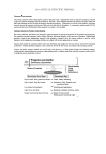
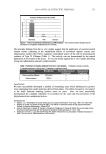
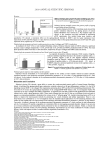
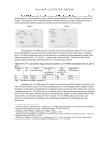
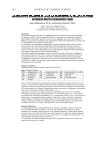
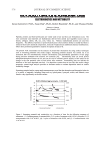
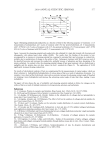
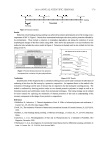
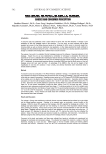
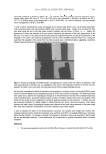
JOURNAL OF COSMETIC SCIENCE 498 Table III Survey Results for Retinol and Retinyl Palmitate Isomers (in μg/g)a Sample no. Retinol all-trans- Retinol Retinyl palmitate 9-cis-b 11-cis-b 13-cis- all-trans- 1 139 ND 20 10 14984 2 1726 ND ND 347 ND 3 3370 15 28 31 ND 4c ND ND ND ND 563 5 ND ND ND ND 502 6 377 10 ND 58 ND 7c 1503 ND ND ND ND 8 3103 10 ND ND ND 9 3242 22 ND ND ND 10 10 ND ND ND 912 11 13949 95 ND 175 ND 12 1819 70 ND 103 ND 13c ND ND ND ND 7982 14 206 10 11 13 ND 15 6021 19 ND ND ND 16 410 10 10 10 ND 17 1681 10 ND 10 ND 18 3565 53 10 58 ND 19c ND ND ND ND 6565 20 500 10 ND 10 ND 21 5634 30 10 ND ND 22 2364 39 ND 180 ND 23 1503 46 10 41 10 24 10 10 10 10 260 25 62 ND ND 10 4160 26 21817 133 ND 177 15 27 718 17 10 155 ND 28d 2559 25 10 41 178 29 59 26 ND ND 34 ND = Not detected, i.e., below level of detection (0.6 μg/g). a 9-cis-, 13-cis-, and all-trans-retinoic acid were not detected in any of the samples. b Estimated concentrations based on calibration curve for all-trans-retinol. c Product classifi ed as both a cosmetic and a drug due to cosmetic and sunscreen claims. d Product may be classifi ed as both a cosmetic and a drug due to cosmetic and apparent anti-acne claims. Table II (Continued) Sample Descriptions Product type Labeled ingredient Anti-oxidant or stabilizer Sunscreen included or recommended Product use warning Skin care complex RP/RL Vitamin E EDTA Not listed Yes Anti-aging cream RL Vitamins E and C BHT EDTA Nightly use Not listed Skin transformation serum RL/RP Vitamin E Not listed Not listed Anti-acne rejuvenating cream RL EDTA Nightly use Yes Skin brightener RP/RL Vitamin E Use morning or evening Not listed

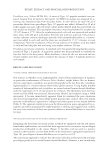
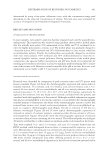
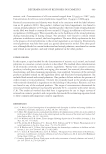
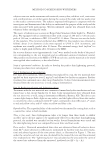
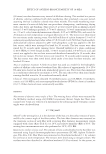
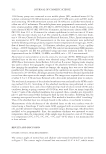
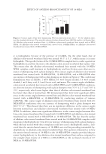
DETERMINATION OF RETINOIDS IN COSMETICS 499 retinoic acid. Concentrations of all-trans-retinol ranged from 59 μg/g to 21817 μg/g. Concentrations for all-trans-retinyl palmitate ranged from 15 μg/g to 14984 μg/g. Retinoid concentrations and identity were found to be consistent with the label informa- tion in 23 products (80%). One product, without any listed ingredients, was found to contain retinyl palmitate at 563 μg/g. Another product that listed only retinyl palmitate on the label was found to contain all-trans-retinol (139 μg/g) in addition to all-trans-reti- nyl palmitate (14984 μg/g). This is possibly due to the hydrolysis of the retinyl palmitate during manufacturing or during storage. Two products were found to contain retinyl palmitate in addition to retinol, the listed ingredient. The most likely explanation for this is the presence of retinyl palmitate in the retinol ingredient as an impurity. Alternatively, retinyl palmitate may have been used as a partial substitute for retinol. Two other prod- ucts, although labeled to contain both retinol and retinyl palmitate, were found to contain only retinol in one product, and only retinyl palmitate in the other product. CONCLUSIONS In this report, a rapid method for the determination of retinoic acid, retinol, and retinyl palmitate in consumer cosmetic products is described. The method allows determination of all retinoids commonly used as cosmetic ingredients. Twenty-nine consumer cosmetic products, including anti-wrinkle, anti-aging, skin renewal, line removal, skin-whitening, moisturizing, and skin-cleansing preparations, were analyzed. Seventeen of the surveyed products included retinol on the ingredient label, and four listed retinyl palmitate. Six included both retinol and retinyl palmitate. One product did not indicate the presence of either retinol or retinyl palmitate. Overall, the retinoids found in the products agreed with retinoids identifi ed as ingredients on the labeling of the product. Retinoic acid was not found in any of the analyzed products. The range of concentrations determined for retinol and retinyl palmitate was found be generally ≤1%, consistent with earlier reports (7,8). The analytical method described here is appropriate for use in larger surveys of retinoids in cosmetic products and can provide data needed for estimating exposure levels to these commercially important cosmetic ingredients. REFERENCES (1) C. E. Bloch, Clinical investigation of xeropthalmia and dystrophy in infants and young children (xe- rophthalmia et dystrophia alipogenetica), J. Hyg., 19, 401–404 (1921). (2) S. Mori, The changes in para-ocular gland which follow the administration of diets low in fat-soluble A with notes of effect of same diets on the salivary glands and the mucosa of the larynx and trachea, Bull. Johns Hopkins Hosp., 33, 357–358 (1922). (3) S. B. Wolbach and P. R. Howe, Tissue changes following deprivation of fat-soluble A vitamin, J. Exp. Med., 43, 753–777 (1925). (4) P. Fu, Q. Xia, M. D. Boudreau, P. C. Howard, W. H. Tolleson, and W. G. Wamer, Physiological role of retinyl palmitate in the skin, Vitam. Horm., 75, 223–256 (2007). (5) A. R. Brecher and S. J. Orlow, Oral retinoid therapy for dermatologic conditions in children and ado- lescents, J. Am. Acad. Dermatol., 49, 171–182 (2003). (6) C. C. Geilen, B. Almond-Roesler, and C. E. Orfanos, “Therapeutic Uses of Retinoids in Skin Disease,” in Vitamin A and Retinoids: An Update of Biological and Clinical Applications, M. A. Livrea, Ed. (Birkhäuser Verlag, Basel, 2000), pp. 251–259. (7) Cosmetic Ingredient Review, Final report on the safety assessment of retinyl palmitate and retinol, J. Am. Coll. Toxicol., 6, 279–320 (1987).
Purchased for the exclusive use of nofirst nolast (unknown)
From: SCC Media Library & Resource Center (library.scconline.org)