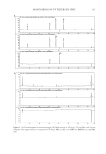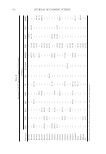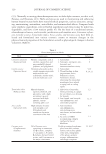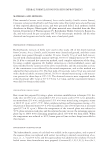

J. Cosmet. Sci., 63, 103–117 (March/April 2012) 103 Simultaneous analysis and monitoring of 16 UV fi lters in cosmetics by high-performance liquid chromatography DOJUNG KIM, SANGSEOP KIM, SEOL-A KIM, MYOENGSIN CHOI, KYOUNG-JIN KWON, MIJEONG KIM, DONG-SUP KIM, SEUNG-HEE KIM, and BO-KYUNG CHOI, National Institute of Food and Drug Safety Evaluation, Korea Food and Drug Administration, Osong Health Technology Administration Complex, 187 Osongsaenmyeong2(i)-ro, Gangoe-myeon, Cheongwon-gun, Chungcheongbuk-do, Korea 363-951. Accepted for publication September 21, 2011. Synopsis Sixteen UV fi lters were simultaneously analyzed using the high-performance liquid chromatographic method. They were drometrizole (USAN Drometrizole), 4-methylbenzylidene camphor (USAN Enzacamene), men- thyl anthranilate (USAN Menthyl anthranilate), benzophenone-3 (USAN Oxybenzone), benzophenone-8 (USAN Dioxybenzone), butyl methoxydibenzoylmethane (USAN Avobenzone), ethylhexyl triazone (USAN Octyl triazone), octocrylene (USAN Octocrylene), ethylhexyl dimethyl p-aminobenzoic acid (USAN Padi- mate O), ethylhexyl methoxycinnamate (USAN Octinoxate), p-aminobenzoic acid (USAN Aminobenzoic acid), 2-phenylbenzimidazole-5-sulfonic acid (USAN Ensulizole), isoamyl p-methoxycinnamate (USAN Amiloxate), and recent UV fi lters such as diethylhexyl butamidotriazone (USAN Iscotrizinol), methylene bis-benzotriazolyl tetramethylbutylphenol (USAN Bisoctrizole), and terephthalylidene dicamphor sulfonic acid (USAN Ecamsule). Separation of the UV fi lters was carried out in a C18 column with a gradient of methanol-phosphate buffer, and the UV detection was at 300, 320, or 360 nm without any interference. The limits of detection were between 0.08 and 1.94 μg/ml, and the limits of quantitation were between 0.24 and 5.89 μg/ml. The extracting solvent for the UV fi lters was methanol, except for ethylhexyl triazone and methylene bis-benzotriazolyl tetramethylbutylphenol, which were prepared with tetrahydrofuran. The re- coveries from spiked samples were between 94.90% and 116.54%, depending on the matrixes used. The de- veloped method was applied to 23 sunscreens obtained from local markets, and the results were acceptable to their own criteria and to maximum authorized concentrations. Consequently, these results would provide a simple extracting method and a simultaneous determination for various UV fi lters, which can improve the quality control process as well as the environmental monitoring of sunscreens. INTRODUCTION Exposure to UV radiation can harmfully affect the public health by inducing conditions such as skin redness or skin cancer (1,2). As the ozone layers are depleted, protection from hazardous UV radiation, UVA (320 – 400 nm) and UVB (290 – 320 nm), has been a major concern for people (3,4). UVA has a long wavelength that reaches the corium of the skin to initiate skin aging, DNA damage, and immune alteration. UVB is known to
Purchased for the exclusive use of nofirst nolast (unknown)
From: SCC Media Library & Resource Center (library.scconline.org)