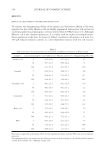
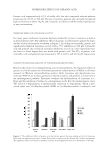
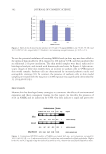
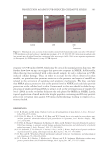
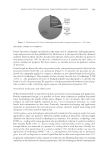
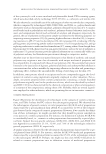
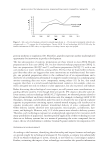
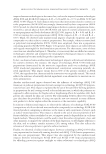
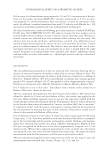
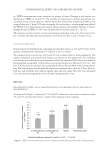
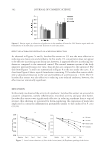
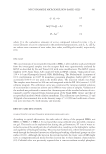
PHYSIOLOGICAL EFFECT OF A PROBIOTIC ON SKIN 389 by TEWL measurements were continued in groups of three. Damage to the barrier was described as TEWL of 18 g/m2/h. The number of strippings to disrupt skin barrier was calculated using a linear equation. Barrier repair was observed by measuring TEWL at the stripped skin site, 3 h and 24 h after stripping. For each subject, a linear graph was plotted for TEWL versus time (hours) and using a linear equation, the number of hours to reduce disrupted barrier TEWL to 50% was calculated for every time point (15, 19–21). The subjects used an o/w base cream containing lactobacillus extract (L. plantarum) at 1% for 2 months and the same measurements were observed after 1 and 2 months of use. ACNE LESION REDUCTION Oil-in-water base formulations containing lactobacillus extract at 1% and 5% were tested against a formulation containing 1% salicylic acid as a control. Ten volunteers between the age of 18 and 50 were recruited from a local population. The subjects exhibited acne with several similar acne lesions on the upper back. Two infl amed acne lesions were selected for each treatment and for the untreated. Each lesion was marked, photographed, and graded. A skin surface microscope (Scopeman, Moritex U.S.A., Inc., San Jose, CA) was used to visualize, size, and grade the lesion by two MDs at the testing labora- tory. The lesions were treated with the respective treatment once a day for 4 days. Acne le- sion size and erythema were plotted against time and area under the curve was calculated (22), and statistical signifi cance was calculated using students t-test. RESULTS SKIN SENSITIVITY: EFFECT OF LACTOBACILLUS EXTRACT ON THE REDUCTION OF THE ONSET OF SKIN IRRITATION As observed in Figure 1, there was 57% and 40% reduction in the onset of erythema with 5% and 1% lactobacillus extract, respectively, showing a dose response. Figure 1. Effect of lactobacillus extract (in o/w emulsion) on the reduction of the onset of skin irritation.

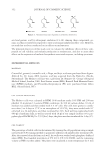
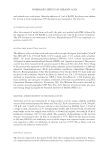
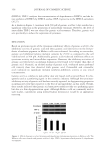
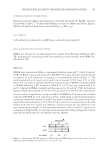
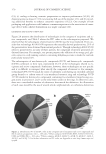
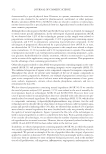
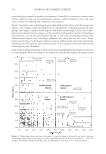
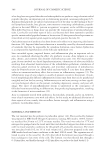
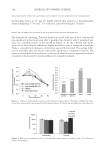
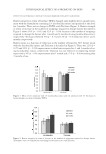
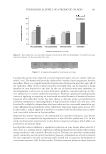
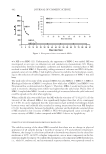
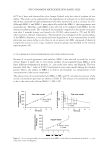
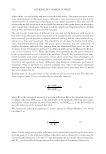
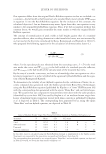
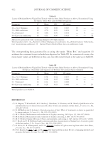
JOURNAL OF COSMETIC SCIENCE 390 SKIN SENSITIVITY: EFFECT OF LACTOBACILLUS EXTRACT ON THE REDUCTION OF SKIN REDNESS Lactobacillus extract at 1% and 5% mildly reduced skin redness in a dose-dependent manner displaying 3.75% and 7.5% reduction, respectively (Figures 2a and b). EFFECT OF LACTOBACILLUS EXTRACT ON THE REDUCTION OF SKIN MICROFLORA The formulation containing Triclosan showed an initial reduction of 66% (statistically non-signifi cant) in bacterial count after 1 month of use however, after 2 months of use, there was a marked increase in the microfl ora (Figure 3). At the 2-month time point, seven out of nine subjects exhibited a higher microbial count as compared to baseline. There is a possibility of emergence of resistance against this material. The average differ- ence in microfl ora after use was not statistically signifi cant as compared to baseline. The subjects treated with the formulation containing lactobacillus extract appeared to show a consistent reduction in the total microfl ora over 2-month treatment. Figure 2. (a) Effect of lactobacillus extract on the reduction of skin redness. This fi gure exhibits the reduc- tion of skin redness with time (normalized for baseline redness). (b) Shows the area under the curves from (a). Figure 3. Effect of o/w emulsions with 1% lactobacillus extract and o/w emulsion with 1% Triclosan on aerobic and anaerobic.
Purchased for the exclusive use of nofirst nolast (unknown)
From: SCC Media Library & Resource Center (library.scconline.org)