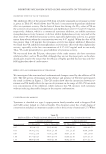
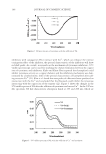
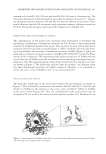
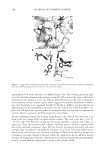
JOURNAL OF COSMETIC SCIENCE 100 age spots, liver spots, and other types of melanin hyperpigmentation disorders, and it can cause serious aesthetic problems and even diseases such as melanoma (5). In the food in- dustry, tyrosinase activity may generate undesirable browning, which causes deleterious changes such as an unattractive appearance and reduced nutritional quality of the food product (1,6,7). In light of these cosmetic, agricultural, and medicinal problems (8), in- hibitors of tyrosinase have attracted great interest as treatments for disorders that are as- sociated with the overproduction of melanin (9). Recently, increased attention has been paid to tyrosinase inhibitors derived from natural plants, which are rich in bioactive chemicals and mostly free of side effects some of them, such as arbutin (a glycosylated hydroquinone found in certain plants), are already used in the cosmetic industry for skin whitening (10,11). The red globe amaranth, a cultivar of Gomphrena globosa, is a medicinal plant in the Amaranthaceae family. Its fl ower can be made into a highly valued scented tea. It was used to pay tribute in ancient China because of its ability to whiten skin, especially in the treat- ment of melasma, freckles, age spots, liver spots, and other forms of melanin hyperpig- mentation. Some constitutes, such as betacyanins, fl avonoids, and fl avonols, have already been isolated from some species of Gomphrena (12,13). However, the constituents of red globe amaranth plant that are responsible for whitening and the molecular mechanism of this effect are still unclear. In this study, we identifi ed for the fi rst time that vanillic acid (VA) is one of the primary skin-whitening constituents of red globe amaranth. The in- hibitory effect of VA on tyrosinase was investigated by examining enzyme kinetics, group mutations, and ability of inhibiting melanogenesis by melanocyte (14–16). However, until now, the role of the interaction between VA and tyrosinase in the inhibition of ty- rosinase remains unknown. To better understand the inhibition of tyrosinase, we analyzed the spectra and simulated the molecular interaction of VA and tyrosinase. Our study provides new evidence to help elucidate the molecular mechanism of depigmentation by red globe amaranth and helps to facilitate the proper application of this valuable plant. MATERIALS AND METHODS MATERIALS The red globe amaranth originated from Yunnan province in China and was purchased from a local Qingping herbal medicine market. L -tyrosine, L -dopa, and mushroom ty- rosinase (EC 1.14.18.1) were purchased from Sigma-Aldrich (St. Louis, MO). All other chemicals were of analytical grade and manufactured in China. TYROSINASE ACTIVITY ASSAY This assay was performed using previously described methods (11) with slight modifi ca- tions. The samples were dissolved in dimethyl sulfoxide and prepared in uniform concen- trations for each batch L -tyrosine and L -dopa served as the monophenol and diphenol substrates, respectively. First, the samples were tested at only a single concentration for

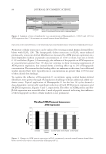
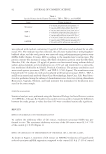
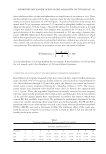
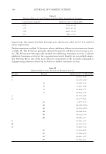
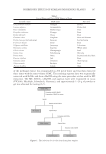
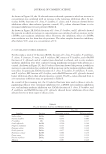
INHIBITORY MECHANISM OF RED GLOBE AMARANTH ON TYROSINASE 101 their inhibitory effect on the monophenolase activated forms of tyrosinase in vitro. Next, the best sample was selected for a dose–response study for the monophenolase and diphe- nolase activities of tyrosinase. In a 96-well plate, 70 μl of each dilution of the extract was mixed with 30 μl tyrosinase solution (333 units/ml in phosphate buffer) in triplicate. After incubation at 25°C for 5 min, 110 μl of the substrate (1.0 mM L -tyrosine or 2.0 mM L -dopa) was added to each well. The samples were incubated for 30 min at 25°C. The optical densities of the samples were then determined at 492 nm using a Sunrise plate reader (TECAN, Männedorf, Switzerland). The concentrations of the inhibitor at which half of the original tyrosinase activity was inhibited (50% inhibitory concentration, IC50) were determined for crude extract and purifi ed inhibitors. Arbutin was selected as a pos- itive control. All concentrations of the inhibitors mentioned in the study were the fi nal concentrations. The inhibition of tyrosinase activity was calculated as follows: ª « » 1 ( Inhibition 100 B Cº) A % = × A is the absorbance at 492 nm without the test sample, B the absorbance at 492 nm with the test sample, and C the absorbance at 492 nm without tyrosinase. EXTRACTION OF CRUDE EXTRACT AND PRELIMINARY SEPARATION EXPERIMENT Dried fl owers of red globe amaranth (3 kg) were extracted three times by refl ux extraction with a fi vefold, 50% (v/v) aqueous alcohol solution each incubation was performed for 2 h. After fi ltration through 0.45 μm fi lter paper, the fi ltrates were mixed and concen- trated using a rotary evaporator (Yarong Inc., Shanghai, China) at 50°C. The concen- trated extract was dispersed with distilled water until its density was approximately 1.0–1.1 g/cm3. Then, the suspended liquid was successively extracted at room tempera- ture four times each by petroleum ether, ethyl acetate, and butanol (1 liter of each solvent, 24 h), and the organic phases were concentrated to produce the extracts, which were termed PE, EA, and BA, respectively. We performed a preliminary experiment for the extracts by crudely separating them using silica gel chromatography. For PE and EA, a petroleum ether–acetic ether mixture was used as the eluent, whereas chloroform–methanol (CHCl3–MeOH) was used as the eluent for BA. The inhibitory effect of the crude sepa- rated fractions at 1 mg/ml on tyrosinase activity is listed in Table I EA was selected for further purifi cation studies. Table I Tyrosinase Inhibition by Fractions from PE, EA, and BA Tyrosinase inhibition rate (%) Fraction 1 2 3 4 5 6 7 8 9 10 PE — — — 16.58 16.38 17.93 10.35 8.70 30.06 — EA — — 30.74 44.01 72.55 92.72 33.79 53.32 33.79 41.68 BA 16.34 17.96 −24.68 −4.94 −1.53 −5.63 −2.08 −9.54 12.42 40.99
Purchased for the exclusive use of nofirst nolast (unknown)
From: SCC Media Library & Resource Center (library.scconline.org)