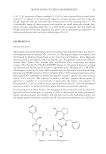
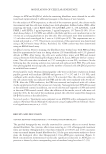
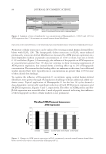
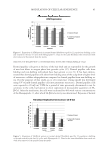
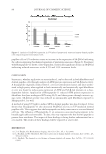
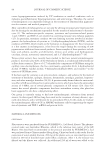
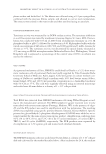
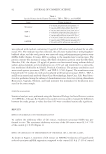
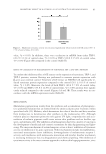
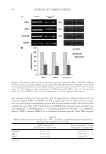
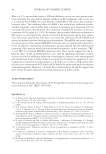
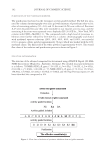
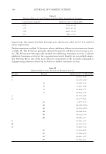
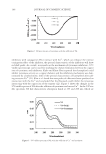
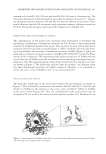
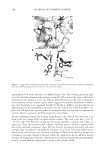
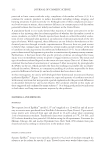
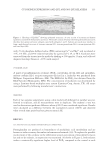
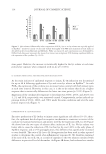
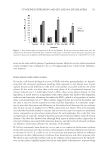
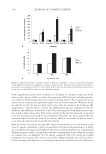
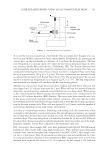
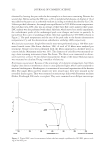
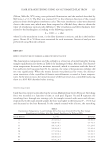
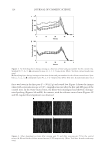
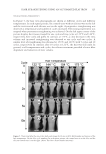
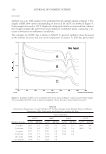
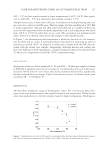
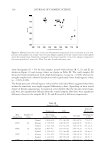
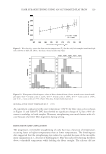
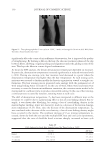
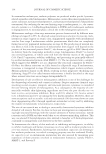
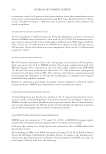
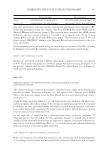
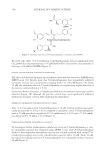
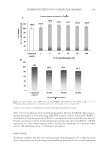
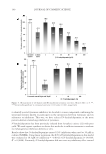
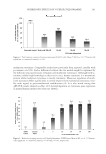
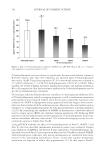
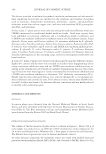
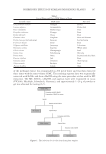
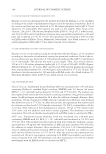
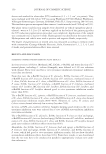
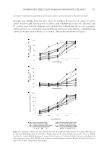
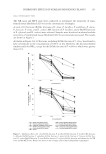
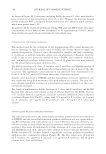
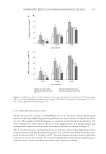
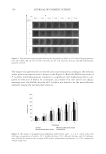
JOURNAL OF COSMETIC SCIENCE 138 B16-F10 cells. After 72 h of incubation, N-feruloyldopamine did not signifi cantly alter cell growth for concentrations up to 50 μM for B16-F10 cells and for concentrations at least up to 100 μM for NHEMs (Figure 2). HUMAN AND MUSHROOM TYROSINASE INHIBITIONS The effect of N-feruloyldopamine on tyrosinase activity was fi rst assessed in NHEM using MBTH assay (21). Results show that N-feruloyldopamine dose dependently inhibited tyrosinase activity for concentrations ranging from 5 to 100 μM (Figure 3A). From 50 μM, the inhibitory effect of N-feruloyldopamine was signifi cantly higher than that of the positive control arbutin (p 0.01). Contrary to human tyrosinase, no signifi cant inhibition of mushroom tyrosinase could be observed (Figure 3B) although the positive control kojic acid signifi cantly inhibited mushroom tyrosinase activity, thus validating the experiment. INHIBITION OF MELANIN SYNTHESIS IN B16-F10 CELLS After 72 h of incubation with N-feruloyldopamine at 10 μM, melanin synthesis was signifi - cantly decreased by 31.6% (p 0.01) compared to untreated control. N-feruloyldopamine used at 30 μM provided a signifi cant 65.5% inhibition (p 0.01) and a 75.6% inhibi- tion when used at 50 μM (p 0.01) (Figure 4). N-FERULOYLDOPAMINE ANTIOXIDANT CAPACITY To investigate further melanogenesis inhibitory action of N-feruloyldopamine in vitro, its antioxidant capacity was evaluated using DPPH in tubo assay. N-feruloyldopamine showed a dose-dependent antioxidant capacity that reached a plateau with around 70% of radical-scavenging activity for concentrations equal or above 30 μM. From 10 μM, the radical-scavenging activity of N-feruloyldopamine was comparable to that of cysteine 40 μM (Figure 5). Figure 1. Chemical structures of N-feruloyldopamine, L -tyrosine, and L -DOPA.

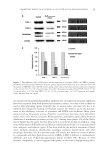
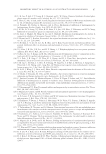
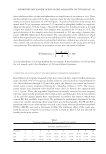
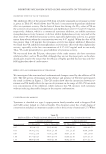
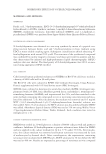
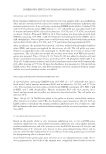
INHIBITORY EFFECTS OF N-FERULOYLDOPAMINE 139 ACTIVITY OF N-FERULOYLDOPAMINE ON MELANOSOME MATURATION GENES After 48 h of incubation with N-feruloyldopamine, Protein P mRNA expression re- mained unchanged as measured using qRT-PCR methods. On the other hand, MART-1, described as a chaperone protein for Pmel17, was moderately decreased (data not shown). Finally, incubation with N-feruloyldopamine signifi cantly decreased Pmel17 mRNA expression in a dose-related manner with a statistically signifi cant 53% decrease when used at 100 μM (Figure 6) (p 0.05 Dunn’s procedure). DISCUSSION Tyrosinase catalyzes the fi rst two limiting steps of melanogenesis. It is thus the most often targeted protein for melanogenesis inhibition purposes. In our research program Figure 2. Cell viability assay. MTT assay of (A) NHEMs. (B) B16-F10 cells. Mean ± SD, n = 6. *, **Statistically signifi cant vs. untreated control, p 0.05 and p 0.01, respectively.
Purchased for the exclusive use of nofirst nolast (unknown)
From: SCC Media Library & Resource Center (library.scconline.org)