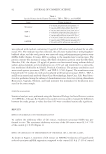
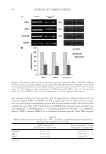
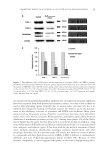
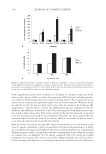
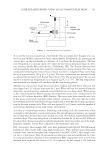
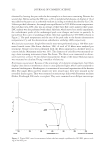
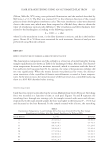
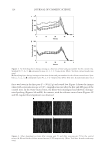
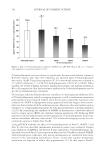
JOURNAL OF COSMETIC SCIENCE 136 to untreated control (cells grown in the culture medium alone) after normalization to the total protein content beforehand quantifi ed using BCA Assay Kit (Interchim) (15). Kojic acid at 700 μM and arbutin 1 mM were used as positive controls. Each condition was tested in triplicate. MUSHROOM TYROSINASE INHIBITION ASSAY Twenty microliters of inhibitor molecule (N-feruloyldopamine or positive references) diluted in DMSO were incubated for 5 min with 20 μl of a 200 U/ml mushroom tyrosi- nase solution adjusted with 140 μl of phosphate-buffered saline (PBS Sigma-Aldrich). Then, 20 μL of a 10 mM solution of L -DOPA were added, and the OD was read at 490 nm after 10 min of incubation at room temperature. Kojic acid at 70 μM was used as positive control. INHIBITION OF MELANIN SYNTHESIS B16-F10 murine melanoma cells at the 12th passage were seeded in 96-well plates. Cells were grown for 24 h in DMEM medium (Invitrogen) supplemented with 10% FBS (Invitrogen). The compounds to test were then added together with NDP-MSH 10-7M, and cells were incubated for additional 72 h. The media were subsequently removed and cells were rinsed in PBS. After cell lysis, total melanin content was assessed by measuring the absorbance at 405 nm and by referring to a standard curve obtained beforehand using synthetic melanin. Results are expressed as percentage of melanin content compared to untreated control (culture medium + DMSO) after normalization to the total protein content. EVALUATION OF THE ANTIOXIDANT CAPACITY N-feruloyldopamine was dissolved in ethanol at 2X, X representing the fi nal concen- tration in wells. N-feruloyldopamine (100 μl) were dissolved in an ethanolic solution of DPPH at 60 μM. Cysteine at 20 μM was used as positive control. After 30 min of incuba- tion at room temperature, the OD was read at 530 nm. Results are expressed as percent- age of radical-scavenging capacity relative to untreated control. QUANTITATIVE REAL-TIME REVERSE TRANSCRIPTASE PCR NHEM were fi rst cultured at 37°C under 5% of CO2 in KSFM (Invitrogen) supple- mented with 100 μg/ml geneticin (Sigma) and 0.3% normycin (Invitrogen). Cells were then seeded into 24-well plates and cultured for 48 h in KSFM added with the products to test. After washing in PBS, total RNA was extracted using SV 96 Total RNA Isolation System kit (Promega, Charbonnières-lès-Bains, France) according to the manufacturer’s instructions. After quantifi cation at 260 nm, 100 μL of purifi ed total RNA were kept for each sample. Primers used were the following:

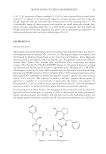
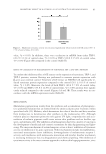
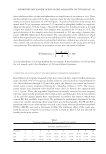
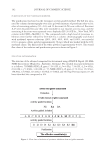
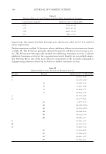
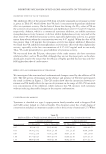
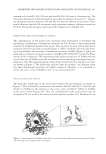
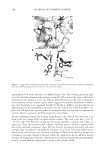
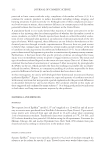
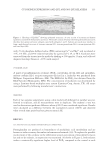
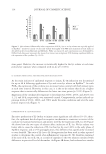
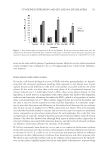
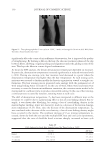
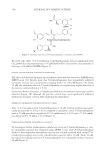
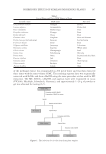
INHIBITORY EFFECTS OF N-FERULOYLDOPAMINE 137 Forward primer Reverse primer Actin GTGGGGCGCCCCAGGCACCA CTCCTTAATGTCACGCACGATTTC Pmel17 gene GGTGGAGACCACAGCTAGAGA GCGGAACCTGCCCAAGGCCTGCT One-step quantitative real-time reverse transcriptase polymerase chain reaction (qRT- PCR) was performed using the “iScript One-Step RT-PCR Kit with SYBR Green” (Biorad, Marnes-la-Coquette, France). The reaction mix contained the SYBR Green buffer 1× the two specifi c primers at 0.6 μM 1 μl of enzyme mix 50 ng of total sample RNA and qsp 50 μl with RNase-free water. The reaction was run in 96-well plates using CHROMO4® thermocycler (Biorad). Results were normalized to the actin transcript levels. Statistical analysis was performed using one-way analysis of variance (ANOVA), followed by Dunnett’s procedure for multiple comparisons versus untreated control group. RESULTS AND STATISTICAL ANALYSIS Results are presented as means ± SD for experiments conducted at least in triplicate (n = 3). The statistical signifi cance between groups was assessed using Student’s t-test for positive controls and one-way ANOVA followed by either Tukey’ test or Dunnett’s method for N-feruloyldopamine. RESULTS SCREENING RESULTS OF COMPOUNDS HAVING STRUCTURAL HOMOLOGY WITH TYROSINASE SUBSTRATE The conserved catalytic center of tyrosinase is composed of two copper atoms bound to six histidine residues. Tyrosinase substrates, i.e., the amino acids L -Tyrosine and L -DOPA dock to this dinuclear copper center by their phenol function and catechol group, respec- tively (16,17). Using docking approach, Khatib et al. (18) have shown that addition of a short two– carbon lipophilic alkyl chain enhanced the tyrosinase-inhibiting properties of resorcinol. In addition, we have previously shown that amides derived from p-coumaric acid with a two–carbon alkyl chain separating the amide function from a phenol ring was a potent structure for tyrosinase inhibition (19). In our approach of searching for a substrate-mimicking tyrosinase inhibitor, N- feruloyldopamine was selected as the best candidate (Figure 1). Indeed, this molecule exhibits all the structural features that are reported to support a tyrosinase–substrate in- teraction or a tyrosinase-inhibiting effect, i.e., a catechol moiety and a phenol substituent in para position of a two-carbon alkyl chain (20). EVALUATION OF N-FERULOYLDOPAMINE CYTOTOXICITY Before an evaluation of its inhibiting properties, the cytotoxicity of N-feruloyldopamine at increasing concentrations was measured both in human melanocytes and in murine
Purchased for the exclusive use of nofirst nolast (unknown)
From: SCC Media Library & Resource Center (library.scconline.org)