JOURNAL OF COSMETIC SCIENCE 12 creased matrix metalloproteinase-1 (MMP-1) secretion and decreased type I procolla- gen expression level (1–3). UV exposure causes formation of reactive oxygen species (ROS) that activate the signal transduction pathways involved in MMP-1 and procol- lagen expressions, and also growth, differentiation, senescence, and/or damage of fi bro- blasts (4–6). ROS-induced cell damage correlates with cell-cycle arrest (7–9). Nevertheless, skin possesses extremely effi cient antioxidant defenses such as superoxide dismutases, glutathione peroxidases, glutathione reductase, and catalase. However, ex- cessive exposure to UV can overwhelm the defense and cellular macromolecule repair capacities, leading to an accumulation of oxidative damage to cells. Therefore, exoge- nous antioxidants could moderate the free-radical burden, thereby ameliorating the process of skin aging and damage. Plant phenols and polyphenols constitute an important group of naturally occurring an- tioxidants because the phenolic group can accept electrons from ROS, which benefi ts to cutaneous function. Thus, they promote procollagen production and inhibit metallopro- teinases, hence preventing proteolytic degradation of extracellular matrix (1,10–12). Tamarind (Tamarindus indica L.) grows widely throughout tropical climates and its seed coat is an industrial waste. Its polyphenol content includes catechins, 2-hydroxy-3, 4-dihydroxyacetophenone, methyl 3,4-dihydroxybenzoate and 3,4-dihydroxyphenyl ac- etate, which are antioxidants in vitro (13,14) as well as have additional health benefi ts (13,15,16). Likewise, tamarind seed coat may also protect skin against UV-induced dam- age but such an effect has not yet been identifi ed. Thus, we aimed to show that the tamarind seed coat extract containing phenolic com- pounds could reduce UVA-induced alterations of fi broblast viability and functions. The extract was tested on (i) oxidative damage in fi broblasts created by hydrogen peroxide (H2O2) and (ii) irradiated fi broblasts for cell cycle, and levels of total glutathione, type I procollagen, and MMP-1. The data suggest that tamarind seed coat extract has a UV- protectant action. MATERIALS AND METHODS PREPARATION OF TAMARIND SEED COAT EXTRACT Ripe tamarind seeds were purchased from a local market in Phetchabun Province, Thai- land. The seeds were heated in a hot air oven at 140oC for 45 min, cooled, and cracked to separate the outside brown layer. Only brown-red seed coats were collected and then ground into fi ne powder. For seed coat extraction, 70% ethanol was used. A Sephadex LH-20 (GE Healthcare Bio-Sciences AB, Uppsala, Sweden) column was used to remove tannin, and the extract was dried under vacuum and then stored in a tight Amber glass bottle at 4°C for further studies. QUANTIFICATION OF TOTAL PHENOLIC COMPOUNDS IN THE EXTRACT The amount of total phenolic compounds was determined by Folin–Ciocalteu assay. The Folin–Ciocalteu reagent (Sigma-Aldrich, St. Louis, MO) is a mixture of phosphomolybdate

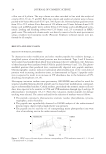
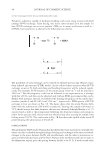
EFFECTS OF TAMARIND SEED COAT EXTRACT ON HUMAN SKIN 13 and phosphotungstate used for the colorimetric assay of phenolic antioxidants and poly- phenol antioxidants. The reagent reacts with phenols and nonphenolic reducing sub- stances to form chromogens that were measured spectrophotometrically. An aliquot of the samples (40 μl) was mixed with 1.8 ml Folin–Ciocalteu reagent previ- ously diluted with distilled water (1:10). The solution was incubated at 25oC for 5 min before adding 1.2 ml of 15% sodium carbonate solution in distilled water. After incuba- tion at room temperature for 30 min, the absorbance at 760 nm was measured. The amount of total phenolic compounds was calculated as gallic acid equivalents from the calibration curve. The result was shown in gallic acid equivalents (g/100 g sample). FREE RADICAL SCAVENGING ACTIVITY ON DPPH The antioxidant activity of tamarind seed coat extract was measured in terms of hydrogen- donating or radical-scavenging ability, using a stable 2,2-diphenyl-1-picrylhydrazyl radical (DPPH Sigma-Aldrich Chemie, Steinheim, Germany). The assay is based on hydrogen atom- or electron-donating ability measured as bleaching of the purple-colored methanolic DPPH. In a 96-well plate, 75 μl of various concentrations of the extract (0.5–1000 μg/ml in methanol) was added, followed by 150 μl of 0.2 mM methanolic DPPH. After incubation for 30 min at room temperature, the absorbance was measured spectrophotometrically at 515 nm against a methanolic DPPH blank (without the test sample). L-ascorbic acid (POCH SA, Slaskie, Poland) and α-tocopherol (Sigma-Aldrich) were used as antioxidant standards. The radical-scavenging activity was calculated as a percentage of DPPH decol- oration using the following equation: %Free-radical scavenging = [1 – (A(sample)/A(blank))] × 100 where A(sample) is an absorbance intensity of sample solution and A(blank) an absorbance intensity of blank solution. EC50, the equivalent concentration to give the 50% effect, was determined by log-probit analysis using 10 different fi nal concentrations of the sam- ples. The study was performed in triplicate. CYTOTOXICITY OF THE EXTRACT TO HUMAN SKIN FIBROBLASTS Cell isolation and cultivation. Fibroblasts were obtained from the eyelid of a woman, aged 65 years, after routine plastic surgery. The procedure was approved by the ethical com- mittee of Naresuan University. The dermis layer of human excess surgery skin tissue was cut into small pieces by a surgical blade. Four to fi ve skin disks were then placed in a culture dish and subsequently incubated at 37°C with a humid atmosphere containing 5% CO2 for 30 min. The culture medium consisted of Dulbecco’s modifi ed Eagle’s medium (DMEM low glucose Sigma-Aldrich) and 10% fetal bovine serum (FBS Cultilab, Campinas, São Paulo, Brazil), and 1% stock penicillin/streptomycin (GIBCO/Invitrogen Corporation, Grand Island, NY) was added to each fl ask. After incubation, the fi broblast
Purchased for the exclusive use of nofirst nolast (unknown)
From: SCC Media Library & Resource Center (library.scconline.org)