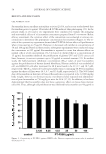
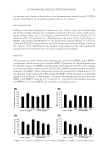
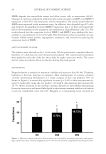
JOURNAL OF COSMETIC SCIENCE 56 MMP-1, MMP-2, and MMP-9 in the culture medium were measured using human total MMP-1 (DY901), MMP-2 (DY902), and MMP-9 (DY911) ELISA kits (R&D systems, Minneapolis, MN), respectively. As a positive control of MMP expression analysis, 10 μM RA, well known as MMP inhibitor and antiaging agent, was used (28). The expression levels of procollagen and MMPs were quantifi ed based on the amount of protein in the cells. Cells attached to the bottom of the plate were washed with Dulbecco’s phosphate- buffered saline and lysed with 1 N NaOH, after which the amount of protein was mea- sured using a bicinchoninic acid (BCA) assay method (BCA assay kit, #23209 Pierce, Hercules, CA). FORMULATION OF WRINKLE CARE CREAM The cream wa s prepared with water, PT-FX01 (fucoxanthin and caprylic/capric triglycer- ide), PEG/PPG-17/6 copolymer, glycerin, butylene glycol, trehalose, hydrolyzed colla- gen, cetearyl alcohol, arachidyl alcohol, behenyl alcohol, arachidyl glucoside, glyceryl stearate, PEG-100 stearate, canola oil, catearylethyl hexanoate, shea butter, carbomer, tromethamine, disodium ethylenediaminetetraacetic acid, and fragrance. All the ingredi- ents were of cosmetic grade. The concentration of fucoxanthin in cream was 150 mg/kg. A placebo cream was similarly prepared without PT-FX01. RECRUITMENT OF VOLUNTEERS Twenty-one K orean women (age: mean, 44.2 ± 5.36 years range, 31–55 years) with wrinkles around their eyes were recruited for the study. The control and test products were distributed to the subjects to be used consecutively for 8 weeks. Participants were instructed to apply the test product on one side of the face and the same amount of the control sample on the opposite side. The subjects voluntarily participated in the study, and it was ensured that they had no skin disease. The rights, safety, and welfare of the subjects were protected. The study was performed in accordance with the Helsinki Dec- laration and Good Clinical Practice Guidelines. Subjects visited the test room three times during the study as follows: before using the samples and at 4 and 8 weeks after the fi rst use. The temp erature and humidity in the test room were 22 ± 2°C and 50% ± 5%, re- spectively. The subjects were acclimated to the test room conditions for at least 30 min before measurements were taken. MEASUREMENT OF S KIN MOISTURE The hydration le vel at the skin surface (stratum corneum) was evaluated by measuring electrical capacitance with Corneometer® CM 825 (Courage + Khazaka GmbH, Cologne, Germany). A probe with a diameter of 10 mm was placed in contact with the skin of the cheek and pressed with a force of 1.1–1.5 N to take measurements. Each result was ex- pressed as an arbitrary unit value between 1 and 130. Larger values were indicative of a high moisture content. Each measurement was repeated three times, and the average value was calculated.

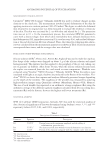
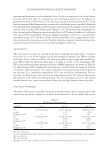
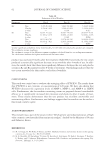
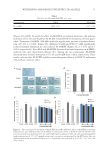
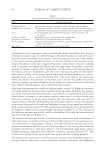
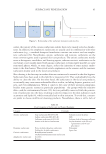
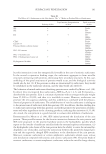
ANTIAGING POTENTIAL OF FUCOXANTHIN 57 MEASUREMENT OF SK IN ELASTICITY Cutometer® MPA 58 0 (Courage + Khazaka GmbH) was used to evaluate changes in skin elasticity at the cheek site. The measurement involved initial deformation of the skin by applying suction at a constant pressure (400–450 mbar). The degree to which the deformed skin returned to its original state was then measured to evaluate the resilience or elasticity of the skin. The skin was suctioned for 2 s at 400 mbar and relaxed for 2 s. The pretension time was set to 0.1 s. In the measurement process, the cutometer MPA580 generated a curve with a distinct shape, from which skin extensibility (Ue), delayed distension (Uv), fi nal deformation (Uf), immediate retraction (Ur), total recovery (Ua), and residual deforma- tion at the end of retraction (R) were obtained. Then, the values for evaluating skin elastic- ity were calculated from the measurement parameters as shown in Table I. Each measurement was repeated three times, and the average value was calculated. EVALUATION OF SKIN WRINKLES USING REPLICAS Silicone solution (Silfl o® Flexico Ltd., Potters Bar, Engl and) was used to make skin replicas. Five drops of the catalyst were dropped on about 5 g of the silicone solution and mixed homogeneously. The mixture was then applied to the periphery of the eye tail, taking care not to generate air bubbles. After about 10 min, when the silicone solution became hard, the replica was removed from the face and stored at room temperature. Wrinkles were evaluated using Visioline® VL650 (Courage + Khazaka GmbH). When the replicas were irradiated with light at an angle, shadows are produced by the fl exion of the wrinkles. Visi- oline® VL650 is a device that captures and analyzes differently generated images depending on the depth of the wrinkles. The roughness of the wrinkles was measured by analyzing high-resolution images using Quantiline software (Monaderm, Monaco-Ville, Monaco). The size of each wrinkle was expressed as an arithmetic average roughness (Ra) using the arithmetic average of the different segment roughness calculated from fi ve succeeding mea- surements (Rz) and the distance between the highest and lowest mountains (Rt). STATISTICAL ANALYSIS SPSS 14.0 software ( IBM Corporation, Armonk, NY) was used for statistical analysis of data. Statistical signifi cance of data was determined using Student’s t-test. *, **, and *** represent p values 0.05, 0.01, and 0.001, respectively. Table I Description of Cutometric Parameters Parameter Equation Description R2 Uaa/Uf b Portion between the maximum amplitude and the ability of redeformation: gross elasticity R5 Urc/Ued Net elasticity of the skin without viscous deformation: net elasticity R7 Ur/Uf Portion of the elasticity compared with the complete curve: skin recovery a Ua: total recovery. b Uf: fi nal deformation. c Ur: immediate retraction. d Ue: skin extensibility.
Purchased for the exclusive use of nofirst nolast (unknown)
From: SCC Media Library & Resource Center (library.scconline.org)