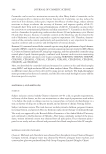
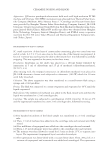
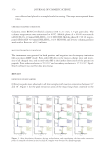
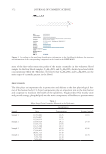
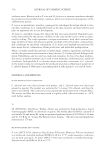
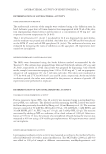
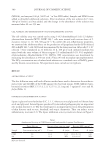
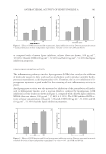
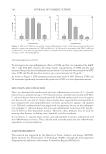
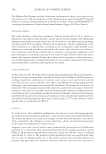
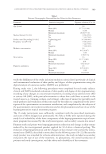
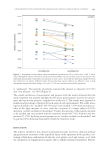
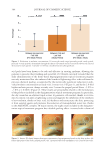
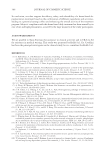
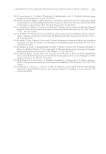
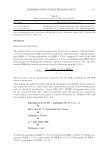
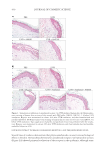
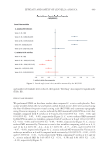
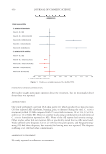
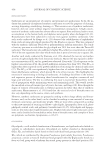
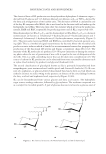
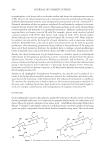
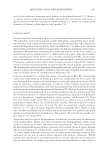
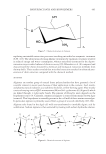
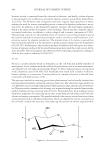
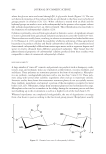
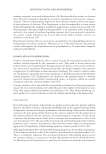
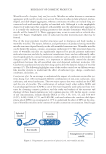
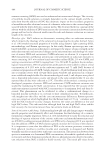
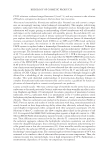
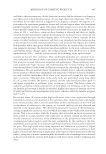
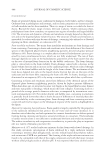
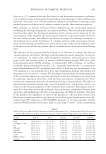
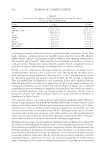
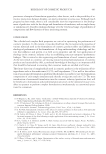
JOURNAL OF COSMETIC SCIENCE 460 pyrophosphoric acid along with a nucleoside uridine and forms the predominant structure of SLs. The 16–18 carbon atom fatty acid is introduced into the microbial host through an aldehyde dehydrogenase enzyme, and consequently nonacetylated acidic SL is formed (47). Chemical alterations of this can produce acetylated SL and further be catalyzed to lactonic forms by lactone esterase (48). The sources of the sugars and fatty acids can be obtained from several renewable raw materials or as industrial by-products. Different combinations of the sugar and fatty acid sources vary the SL yield. For example, glucose with canola oil yielded a greater amount of SL (80%) than lactose with canola oil (only 45%). Several studies showed that glucose was the optimal sugar for highest SL conversion (49). Other industry by-products can also add to the long list of sugar alternatives such as sugarcane molasses medium. Renewable fatty acids such as plant and animal esters can be used for good SL production. One interesting proposition being studied is the production of SL using the waste oil of food industries however, the methods have to undergo several modifi cations before being fully used, such as fed-batch culture and SSR or solid-state fermentation (50). Fi nally, the third classifi cation of glycolipids known as trehalose lipids or trehalolipids (TLs) meant for biosurfactant production is most commonly obtained from the species Mycobacterium, Nocardia, Corynebacterium, Rhodococcus erythropolis, and Arthrobacter. TL com- prises a trehalose head group bound to an esterifi ed fatty acid tail where the trehalose head group is two α glucose units linked by 1,1-glycosidic bonds (Figure 4) (51). The long- chain fatty acid tails are known as mycolic acids which have hydroxy functional groups in the α and β positions (52). Similar to all amphiphilic biosurfactant biosynthesis, the mycolic tail is produced as a result of the hydrocarbon metabolic pathways, whereas the carbohydrate metabolic path- ways lead to the formation of the trehalose head. The induction mechanism to synthesize TL involves the introduction of hydrocarbons to the bacterial propagation medium. In the past years, trehalose lipids have been found to be important for bioremedial applica- tions, for example, solubilization and biodegradation of nonpolar molecules (53). LIPOPEP TIDES Cyclic lipopeptides, in particular surfactins, produced by the species Bacillus subtilis, are known for their powerful surfactancy (54). Surfactins are peptides bonded with a 14-carbon fatty acid chain, where the peptide comprises seven amino acids—GluOMe-Leu-Leu-Asp-Val-Leu-Leu (Figure 5). Similar to glycolipids, surfactin or subtilisin strains can also be produced by being grown on polyol compounds obtained from biodiesel manufacturing units. The initial strain Figure 3. SL chemical structures. (A) Acidic f o rm and (B) lactonic form.

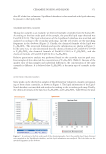
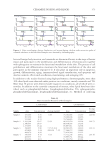
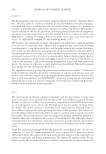
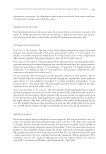
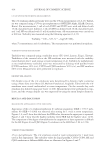
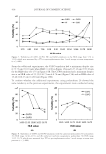
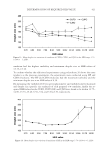
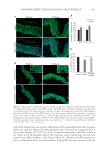
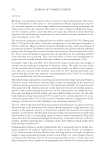
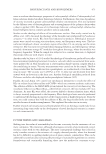
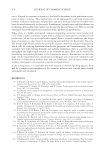
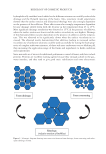
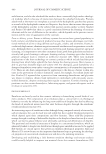
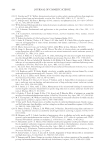
BIOSURFACTANTS AND BIOPOLYMERS 461 obtained undergoes a comparative bacterial taxonomy and identifi cation method known as 16S ribosomal deoxyribonu- cleic acid sequence analysis and fatty acid methyl ester profi le analysis to determine the fatty acid methyl ester groups. The bac- terium is then added to the glycerol medium. The surfactin pro- duced is extracted from the foam produced in the fermentation process and purifi ed before undergoing infrared analysis and nu- clear magnetic resonance tests. The highest yield of the surfactin is obtained between 24 and 48 h into the fermentation process. This study concluded that renewable carbon sources could be used for surfactin production (55). Another study showed that only molasses, glucose, and malt extracts were enough as a carbon source for surfactin produc- tion, which are also industrial by-products (56). Some studies added that the yield is dependent on the bioreactor’s design, nitrogen origin, and, most importantly, the presence of inor- ganic salts or minerals (57). FATTY A CIDS, PHOSPHOLIPIDS, AND NEUTRAL LIPIDS Fatty a cids, phospholipids, and neutral lipids that are microbially synthesized from hy- drocarbons like alkanes classify as biosurfactants. The production of these biosurfactants occurs due to the growth of bacteria or fungi on these hydrocarbon surfaces which act as the carbon source. The bacteria can be of the Acinetobacter species and fungi of the Aspergillus species. These species also give rise to complex acids made of hydroxyl groups and alkyl branches like corino mycolic acids (58). According to the Chemical Entities of Biological Interest database, the complex is a 32-membered mycolic acid and a 3-hydroxy fatty acid. Acinetobacter species, when grown on hexadecane, produce phospholipids. Phospholipids have also been generated with the help of Thiobacillus thiooxidans. In yeast, neutral lipids are synthesized by the act of sequestration from intracellular fl uid. These lipids have no charged molecules and are mostly simple lipids formed by fatty acids or triglycerides and a steryl ester (59). POLYMER IC Some co mmon examples of this classifi ca- tion are emulsan, liposan, lipomannan, mannoprotein, and polysaccharide–pro- tein complexes. Emulsan is composed of N-acetyl-D- galactosamine, N-acetylgalactosamine uronic acid, and an amino sugar (Figure 6). It is linked via covalent molecular bond- ing to α and β hydroxydodecanoic chains through ester bonds (60). Emulsan is produced by the strain Acinetobacter Figure 4. Trehalose lipid chemical structure. Figure 5 . Chemical structure of surfactin.
Purchased for the exclusive use of nofirst nolast (unknown)
From: SCC Media Library & Resource Center (library.scconline.org)