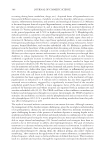
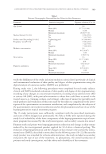
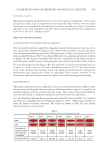
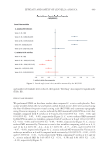
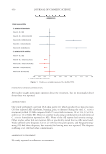
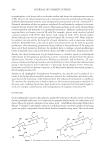
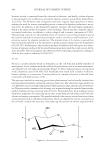
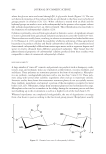
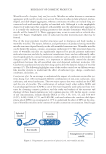
JOURNAL OF COSMETIC SCIENCE 466 Seaweed residue is separated from this solution by fi ltration, and fi nally, sodium alginate is precipitated by the acidifi cation of sodium alginate solution using dilute hydrochloric acid (105). The fi ltration step of alginate extraction requires large quantities of water, making the need for a more sustainable process or source for alginate production a neces- sity (104). In addition, as the demand for alginate increases, the macroalgal community, which is the main resource for alginate, is fast declining. This in turn has a negative impact on marine biodiversity in addition to other ecological and economic consequences (9,103). This growing concern over the harmful effects of excessive seaweed harvesting has paved the way for research on certain bacterial species such as Azotobacter and Pseudomonas as al- ternative sources for alginate production. The mutant strain of Azotobacter vinelandii has been extensively explored as it has the ability to produce greater quantities of the biopolymer (84,106,107). Furthermore, the excellent mechanical stability and wider pore size distri- bution of alginate produced by bacterial fermentation have made bacterial sources all the more favorable. Bacterial alginate also showcased better rheological properties, making it ideal for the cosmetic industry (84,106,107). PECTIN Pectin is a polysaccharide found in abundance in the cell wall and middle lamellae of many plants. It is a complex molecule and has D-galacturonic acid as its main monomeric unit linked by α-1→4 glucuronosyl links (Figure 9). These linkages may be interspersed with L-rhamnose units (108,109). This biopolymer has found itself a market within the beauty industry as a texturizer. A major portion of commercial pectin is derived from citrus peels and apple pomace (110). The proc esses involved in extracting pectin from plant material can be broadly classifi ed into raw material pretreatment, extraction, and post-extraction. The extraction stage involves an acid hydrolytic process at high temperatures which generates large amounts of acid wastewa- ter. This process also consumes a lot of energy as it requires heating for extended time periods, further resulting in long extraction times (10,111). Researchers have been studying various alternative approaches for extracting pectin that would help provide better yield with low solvent and energy consumption. One popular method is the enzyme-assisted extraction where certain enzymes such as cellulases and proteases, which can degrade the various constituents of the cell wall, catalyze the reactions, thus reducing the amount of solvent required while Figure 9. Chemi c al structure of pectin.

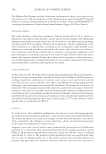
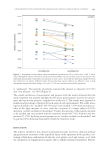
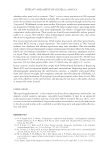
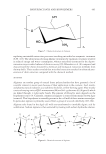
BIOSURFACTANTS AND BIOPOLYMERS 467 increasing the extraction yield (112). Other extraction approaches that are being explored include subcritical water extraction and ultrasound-assisted extraction, both of which optimize the process of pectin isolation from plant material (111,113,114). XANTHAN GUM Xanthan gum is a branched polysaccharide where the repeating units are composed of penta- saccharide units that include two glucose units, two mannose units, and one glucuronic acid unit (Figure 10). It is primarily produced by the bacterial fermentation of a plant pathogenic bacterium Xanthomonas campestris (115). Polysaccharides such as xanthan which are obtained from bacterial sources are promising alternatives to plant-based polysaccharides. Commerci al xanthan is obtained by batch fermentation and thermal treatment followed by recovery of the product using alcohol. The effi ciency of the production process and the quality of the fi nal product are heavily dependent on various process conditions like the microorganism used as well as the nutrients such as carbon and nitrogen supplied for cul- ture growth. Because the production solely depends on glucose or saccharose as the main carbon source, it is quite expensive (116). There are many studies that explore alternative sources of carbon that can help in reducing the production costs of this biopolymer (117–119). Several food- and agro-based industries generate large amounts of agricultural waste. If not discarded properly, they can harm the soil and water bodies. Numerous studies have suggested the potential use of these wastes as a carbon and nitrogen source for various biotech processes. Woiciechowski et al. (117) showed that residues like cassava bagasse can be hydrolyzed and used as a carbon source for xanthan production with high yields. CARBOXYM ETHYL CELLULOSE Carboxym ethyl cellulose is a natural polymer derived from cellulose. Plant cell walls are the primary source of cellulose. It is made up of monomeric units of anhydroglucose Figure 10. Chemica l structure of xanthan gum.
Purchased for the exclusive use of nofirst nolast (unknown)
From: SCC Media Library & Resource Center (library.scconline.org)