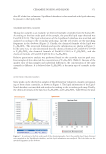
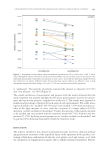
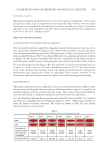
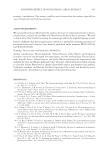
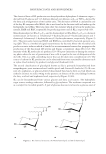
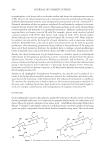
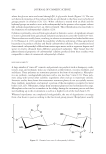
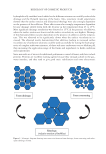
JOURNAL OF COSMETIC SCIENCE 468 where the glucose units are bound through β-1,4-glycosidic bonds (Figure 11). The var- ied chemical properties of this polysaccharide are attributed to the three reactive hydroxyl groups present in cellulose (120, 121). When cellulose is treated with an alkali and the hydroxyl groups are made to react with carboxymethyl in the presence of an organic solvent like sodium monochloroacetate, an ether is formed. This etherifi cation reaction leads to the formation of carboxymethyl cellulose (120). Cellulose is primarily extracted from agricultural or domestic wastes. A signifi cant amount of waste is generated from agricultural industries and practices across the world (120–122). These residues are usually burnt, resulting in adverse environmental and other health issues (121). Huang et al. (121) explored the possibility of effective utilization of these agricultural by-products to produce cellulose and fi nally carboymethyl cellulose. They synthesized and characterized carboymethyl cellulose from various agro-wastes such as sugarcane bagasse and spent tea leaves obtained from different agro-based industries. They found that the physicochemical properties of carboymethyl cellulose produced from these residues were comparable to those of commercial carboymethyl cellulose. BIODEGRAD ABILITY A large n umber of “rinse off” cosmetic and personal care products such as shampoos, condi- tioners, soap, and toothpaste make use of polymers as fi lm formers, viscosity modifi ers, and stabilizers. These polymers are sometimes present in the form of microplastics. Microplas- tics are synthetic, nondegradable polymers with a size less than 5 mm (123). These poly- mers along with several other synthetic ingredients often end up in wastewater streams. Extensive studies have shown that wastewater treatment plants do not successfully remove these synthetic ingredients, and instead, a portion of the microplastics is emitted to water bodies (124,125). Oftentimes, sludge from treatment plants are used as fertilizers for crops. Microplastics also tend to accumulate in the sludge during the treatment process and thus start building up in the environment as well as at higher levels of the food chain (125). Whereas b iopolymers are completely biodegradable, the rate of degradation can range from a few hours to years according to the functional group present. Biopolymers usually Figure 11. Ch e mical structure of carboxymethyl cellulose.

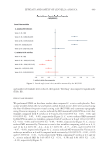
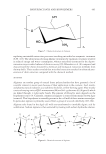
BIOSURFACTANTS AND BIOPOLYMERS 469 undergo enzymatic or microbial degradation (28). Biodegradability studies on chitosan show that this biopolymer degrades by enzymatic degradation into nontoxic oligosac- charides. The rate of degradation depends on the molecular weight as well as the degree of deacetylation of chitosan. This biopolymer is also biocompatible to some extent within the human body, making it suitable for application in cosmoceuticals as well (29). Xanthan gum, although completely biodegradable, is an extremely stable biopolymer, and only a few strains of xanthan degrading enzymes have been reported in microbes. As a result, it fi nds widespread use in areas that involve high enzymatic activity as a stabilizer or thickener (30). Biopolyme rs have been shown to increase the susceptibility of nondegradable polymers to biodegradation by photo oxidation. Albertsson et al. (126) demonstrated that granular starch could improve the degradation rate of polyethylene by 10 times when compared with pure polyethylene. FORMULATI ON CONSIDERATIONS Cosmetic formulations should be able to satisfy not just the functional benefi ts but the aesthetic benefi ts required by the consumers as well. They need to achieve their main purpose which can be anything from forming a protective barrier on hair or skin to deliver- ing certain active ingredients. However, the product also needs to appeal to the consumer on application. It should have an ideal consistency (rheology). The cosmetic industry makes use of emulsions, especially oil-in-water emulsions, to formulate products with desirable sensory properties (127). Furthermore, the droplets in the emulsion work as a delivery agent for various antimicrobials, moisturizing agents, or fragrance which are usually entrapped within the emulsion droplets (128,129). Cosmetic products with a long shelf life and good physicochemical and functional properties require the oil-in-water emulsions to be stable. Because of their inherent thermodynamic insta- bility, they require additional emulsifi ers and stabilizers (130). Thus, while formulating cos- metic products, it is vital to take into account the stability and rheology of the fi nal product. FILM FORM ATION For a wid e range of cosmetic and personal care products such as mascara, lipstick, and hair fi xatives, the ability to form a continuous and fl exible fi lm on the required substrate forms an important criterion for adequate performance and functioning of the product. Polymers constitute the main group of fi lm formers in the cosmetic industry. On the application of the polymer solution onto the substrate, the solvent begins to evaporate. As the solvent evaporates, the polymer chains slowly start to entangle and interpenetrate to form a fi lm over the substrate (131). Because of the environmental and health hazards of the synthetic polymers used in cosmetic formulations, there have been many studies on the potential application of biopolymers as fi lm-forming agents in cosmetic products (132–136). Although biopolymers have excellent fi lm-forming properties, the mechanical properties of these fi lms are inferior to that of the synthetic, petroleum derived polymer fi lms (134). Thus, to completely substitute the conventional polymeric fi lm-forming agents used in the cosmetic industry, it is necessary to modify the properties of the bio-based fi lm form- ers. Blending various biopolymers is a good way of creating new materials with improved
Purchased for the exclusive use of nofirst nolast (unknown)
From: SCC Media Library & Resource Center (library.scconline.org)