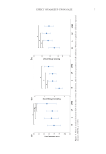
3 EFFECT OF MAKEUP UPON GAZE STIMULI First investigation: additive effect of makeup. Previously captured images were subsequently arranged as scenes of two (Bare skin [B] versus Lipstick [L] or LF versus LFM) or four images (B, L, LF, and LFM) of the same volunteer. Figure 1. Order of image conditions acquisition using the Colorface® and short abbreviation for reference. Table II Foundation Characteristics Formulation type: Water in silicone emulsion Main visual effect: Medium to high coverage with semi-matte to satin finish. INCI: Aqua, cyclopentasiloxane, butylene glycol, diisopropyl adipate, ethylhexyl methoxycinnamate, titanium dioxide, caprylic/capric triglyceride, lauryl peg-10 tris(trimethylsiloxy)silylethyl dimethicone, diethylamino hydroxybenzoyl hexyl benzoate, sodium chloride, trimethylsiloxysilicate, disteardimonium hectorite, polyhydroxystearic acid, phenoxyethanol, imidazolidinyl urea, silica, alumina, caprylyl glycol, parfum, stearic acid, disodium edta, triethoxycaprylylsilane, polyquaternium-51, bht, +/−: ci 77491, ci 77492, ci 77499, ci 77891 INCI: International Nomenclature Cosmetic Ingredient Table III Mascara Characteristics Formulation type: Water in silicone emulsion Main visual effect: Multibenefit—volumizes, lengthens, curls, and separates the eyelashes INCI: Aqua, hydrogenated olive oil cetyl esters, oryza sativa cera, butylene glycol, stearic acid, palmitic acid, methylglucamine, helianthus annuus seed cera, acacia senegal gum, pvp, copernicia cerifera cera, cyclopentasiloxane, vp/eicosene copolymer, hydroxyethylcellulose, cyclohexasiloxane, shorea robusta resin, phenoxyethanol, caprylyl glycol, dimethicone, rhus verniciflua peel cera, disodium edta, panthenol, tocopheryl acetate, arachidic acid, lauric acid, myristic acid, bht, ascorbyl palmitate, tocopherol, ci 77499 INCI: International Nomenclature Cosmetic Ingredient

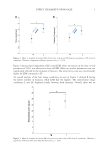
4 JOURNAL OF COSMETIC SCIENCE Second investigation: mascara effect with mask. Scenes of two images (LF versus LFM) were created, with either both images free of facial masks or both images with digitally applied facial masks. The behavioral task with eye-tracking measurements. For the first investigation (additive effect of makeup), the created scenes were presented to an evenly-mixed-gender panel of 8 viewers aged 18 to 50 years old (both male and female). As the panelists viewed the scenes, their gaze was monitored using an eye tracker (Gazepoint GP3 Eye Tracker, Vancouver, Canada). Scenes containing 2 images were displayed for 5 seconds, while scenes containing the 4 conditions were displayed for 10 seconds, with 2-second blank scenes containing a central red cross, in between scenes to resettle the panelists’ gazes. As such, images were randomized within a scene, and scene order was also randomized between viewers. Three different eye- tracking parameters were recorded and assessed as measures of gaze, as described in Table IV. After spontaneous viewing of the different scenes, panelists were then asked to estimate the perceived age and perceived health of the images, and rank the different conditions from the most attractive to the least attractive. The panelists were debriefed about the scope of the experiment at the end of the visit. The process was repeated for the second investigation (mascara effect with masks), with a different evenly-mixed-gender panel of eight viewers. Statistics. Differences in gaze between image conditions were compared using paired t-test (two conditions) or repeated-measures analysis of variance (ANOVA) with least significant difference post hoc (four conditions). Differences in perceived age, perceived health, and attractivity were compared using Wilcoxon Matched Pairs Test (two conditions) or Friedman ANOVA (four conditions). Repeated measures correlations were computed to assess the associations of gaze parameters versus attractivity, perceived health, or perceived age. All calculations were performed using STATISTICA V14 (Tibco, Palo Alto, CA, USA), except for repeated measures correlation, which used the standalone rmcorrShiny app. The significance level was set at α =0.05 throughout the analysis. RESULTS As outlined in Figure 2, images with lipstick received more gaze and visual fixation from the panelists during the study compared to bare skin condition. Results from the eye-tracking analysis show that an increase of 18.1% in the time viewed parameter was observed when lipstick was applied versus a bare skin condition. In addition, an increase of 12.6% in the visual fixation parameter was observed when lipstick was applied versus a bare skin condition. With regards to the perceived attractivity of the bare skin condition versus lipstick applied, the latter yielded a higher score (Figure 3). Table IV Eye Tracking Parameters Eye tracking parameter Description Time viewed Quantifies the amount of time that panelists have spent looking at a particular area of interest, e.g., eyes/mouth also referred to as “dwell time” Visual fixation The maintenance of visual gaze on a single area of interest for a duration of at least 100 ms Revisits The number of revisits quantifies how many times a panelist returned their gaze to a spot, defined by an area of interest
Purchased for the exclusive use of nofirst nolast (unknown)
From: SCC Media Library & Resource Center (library.scconline.org)