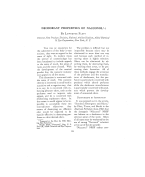
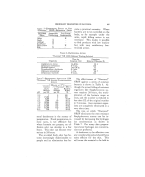
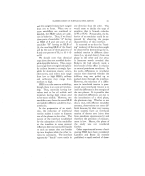
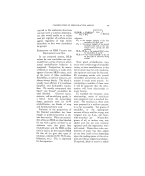
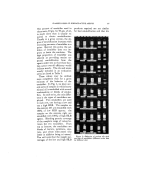
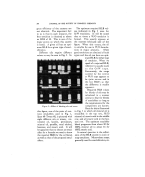
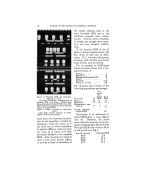
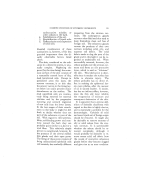
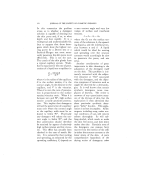
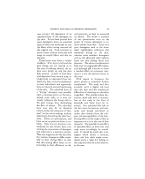
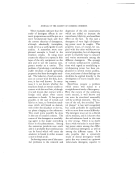
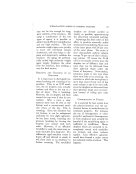
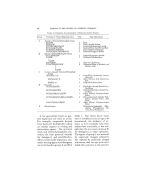
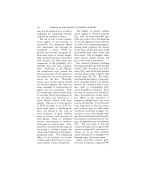
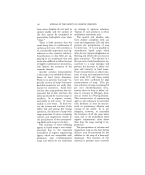
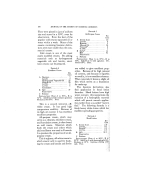
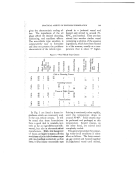
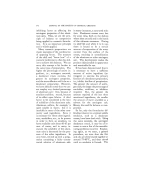
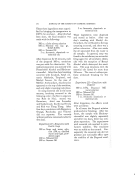
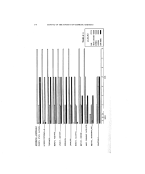
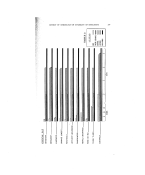
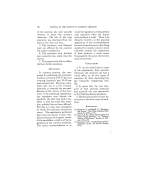
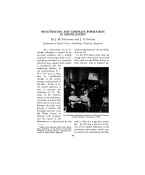
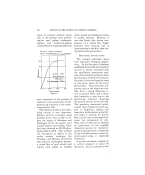
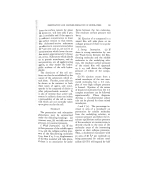
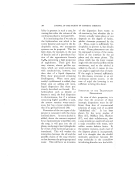
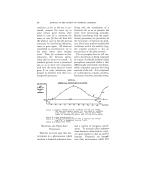
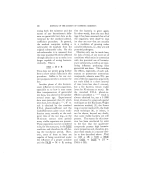
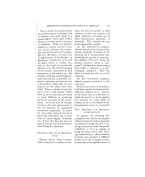
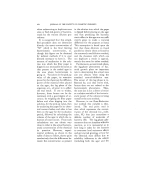
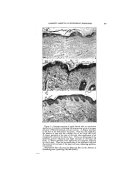
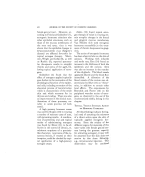
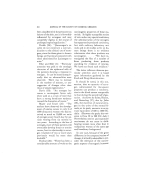
CLASSIFICATION OF SURFACE-ACTIVE AGENTS 319 . . Figure 4.--Behavior of soaps--varying ratios of oleic acid and NaOH hibit high HLB's, higher than re- quired for optimum emulsification. However, soap alone is seldom, if ever, the sole emulsifier in a for- mula. We know that soaps hydrolyze, and the true emulsifier is a mixture, or blend, of soap and free fatty acid. This is illustrated in Fig. 4: where the samples with the arrows are the theoretically neutralized soaps, but in each instance, the samples to the left in which there is excess fatty 'acid are the better emulsions. The emulsifier, so-called, in these series ranges from all fatty acid at the left to all base at the right. This might be considered as repre- senting increasing HLB from left to right, though it is only true to a point slightly to the right of the theoretical soap. At this point suf- ficient base has been added to mini- mize hydrolysis of the soap. Any higher ratio of base to fatty acid merely results in a reduction of the total amount of fatty acid and a re- duction of the amount of soap. Goodey (1) has studied the be- havior of emulsifiers and has ex- plained, in part, their action by de- fining a part of the emulsifier as a coupler. This is not coupling action as the word is generally used (the addition of an agent to promote clarity of solution of a concentrate or emulsion). He suggests that there are four constituents of an O/W emulsion: oil, water, emulsi- fier, and coupler. In his explana- tion, the emulsifier is always a highly hydrophilic substance and the coupler is always oil-soluble. The coupling action of which he speaks is promotion of solubility of the emulsifier in the oil phase to further the reduction of interfacial tension and improve emulsification. We prefer to consider all of this action under the term emulsification and to call both components emulsifiers.

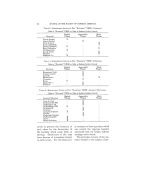
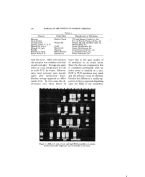
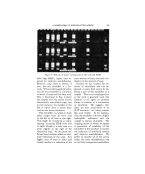
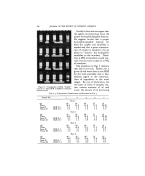
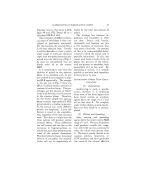
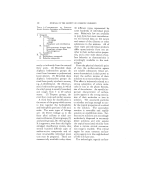
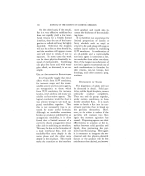
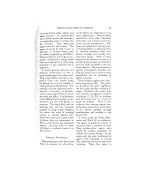
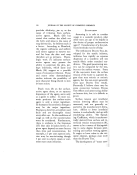
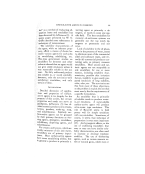
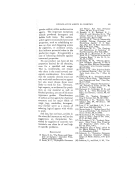
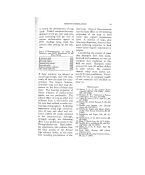
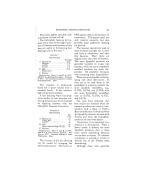
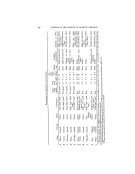
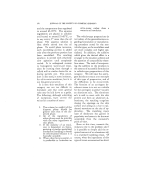
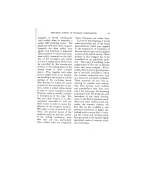
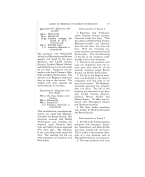
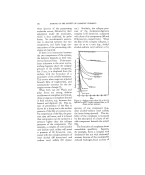
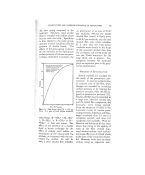
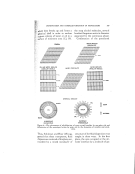
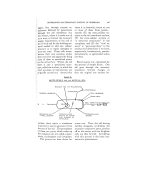
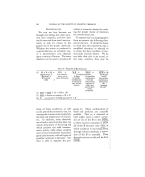
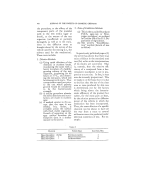
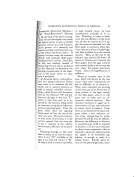
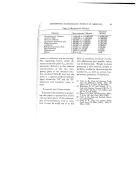
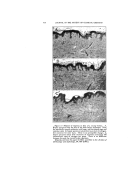
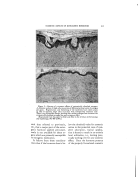
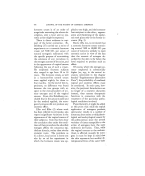
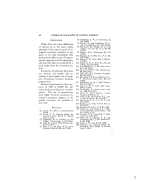
320 JOURNAL OF THE SOCIETY OF COSMETIC CHEMISTS ß ß Figure 5.--Comparison of fixed "coupler" content us. fixed HLB at different emulsion concentrations Goodey's data and ours agree that the agents involved must have the proper hydrophile-lipophile balance. lie suggests further that a proper hydrophile-lipophile balance for both the coupler and emulsifier is needed and that a given concentra- tion of coupler is needed in the oil phase to "attract" the hydrophilic emulsifier to the interface. There- fore, a 20% oil emulsion would con- tain twice as much coupler as a 10% oil emulsion. The emulsions in Fig. 5 indicate that this is not true. Rather, for a given oil and water there is one HLB for the total emulsifier that is best without regard to the concentra- tions of ingredients in the usual ranges. By way of illustration, the two pah's of series of samples con- tain various amounts of oil and water, the amount of oil decreasing TABLE 4•PERCENTAGE COMPOSITION OF EMULSION IN FIG. 5 Sample No. I • 3 4 5 Row 1 Oil 60 50 40 25 Water 34.3 45.0 55.8 71.9 Span 20 HLB 8.6 4.5 3.8 3.0 1.9 Tween 20 HLB 16.7 1.2 1.2 1.2 1.2 Row 2 Oil 60 50 40 25 Water 34.0 45.0 56.0 72.5 Span 20 HLB 8.6 4.5 3.8 3.0 1.9 Tween 20 HLB 16.7 1.5 1.2 1.0 0.6 Row 3 Oil 60 50 40 25 Water 34.5 45.0 55.5 71.2 Span 40 HLB 6.7 3.0 2.5 2.0 1.3 Tween 40 HLB 15.6 2.5 2.5 2.5 2.5 Row 4 Oil 60 50 40 25 Water 34.0 45.0 56.0 72.4 Span 40 HLB 6.7 3.0 2.5 2.0 1.3 Tween 40 HLB 15.6 3.0 2.5 2.0 1.3 10 88.05 0.75 1.2 10 89.00 0.75 0.25 10 87.0 0.5 2.5 10 89.0 0.5 0.5
Purchased for the exclusive use of nofirst nolast (unknown)
From: SCC Media Library & Resource Center (library.scconline.org)