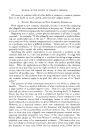
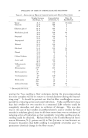
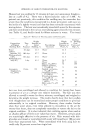
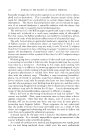
72 JOURNAL OF THE SOCIETY OF COSMETIC CHEMISTS ticns indicate it to exhibit the properties of a general antipruritic, and it has been suggested that the zirconium compounds have a positive thera- peutic action in addition to sequestering certain irritants. It was observed in our laboratory that a worker who customarily exuded a marked body odor ceased to do so when he began to work with zirconium chemicals. The presumption was made that many of the substances re- sponsible for body odors might be fixed by adsorption or other sequestra- tion with a suitable zirconium compound. A carbonated hydrous zirconia ointment was distributed among about twenty volunteers who applied it for a period of time to the axillae and reported satisfactory elimination of odor. The results were brought to the attention of the laboratories of a number of cosmetic and pharmaceutical manufacturers. They requested a soluble zirconium salt of neutral or midly acid reaction which might be applied as a body deodorant in the form of a lotion, and we offered sodium zirconyl lactate, Na2H2ZrO(CHaCHOCOO)a. Two laboratories reported their conclusions from their observations to be that this agent was highly effective. Details of their findings were withheld from us because of their intention to exploit them in proprietary compounds. TOXICITY TESTS Zirconium is a non-toxic element. Not a single case of pathology due to this element is on record. Results of extensive animal tests have been published, showing zirconium compounds to be entirely innocuous under a variety of conditions of topical and oral administration (13, 14). More recently, our laboratory has sponsored studies on the formulation of de- odorant compositions containing zirconlure chemicals, and new toxicity studies on one of these composition. Table $ shows the compositions of a lotion, a powder, and an ointment recommended for use as deodorants. The following is a summary of the findings of toxicity studies on the lotion. TABLE 3--COMPOSITIONS OF BODY DEODORANTS - Per Cents of Ingredients------- Component Lotion Powder Ointment Alcohol SD 40 (ethyl) 10 Boric acid . . '} Carbonated hydrous zirconia, ZrO2 basis .. Glycerin '} Kaolin .. i} Perfume q.s. q.s. Potassium hydroxide .. Precipitated chalk 5} Sodium zirconyl lactate i} 5 Stearic acid .. Talcum powder • Water (+CO2) •6 Zinc stearate .. '• 25 50 1} .0 7}15 ß .

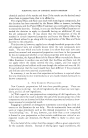
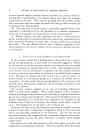
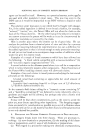
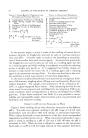
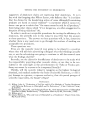
PROPERTIES OF ZIRCONIUM SIGNIFICANT TO TECHNOLOGIST 73 Acute Topical Toxicity, Abraded and Unabraded Skin Three normal, healthy female rabbits, weighing from 2.5 to 3 kg. were used. They were maintained on a regular pellet diet. The hair on the backs and sides of each animal was removed by means of a clipper. The animals were placed into individual stocks and removed only for feeding and watering (15). Each animal's back was demarcated into two areas, of which one was scarified with a sharp knife. The test solution was applied to the animal's back with an atomizer, each animal receiving 100 squirts, measuring 1.6 cc. After the application, a gauze pad 2 in. square was used to cover both the scarified and unscarified areas. The pads were removed after 24 hours and the underlying areas examined. The animals were kept under observation for 72 hours following the application. Results: Throughout the 72-hour observation period no changes could be observed in the scarified or unscarified areas. There was no edema in the patch test areas nor any retardation of healing (16). Chronic Topical Toxicity Five normal, healthy female albino rabbits weighing approximately 3 kg. were used. The animals were maintained on a regular pellet diet. The hair on the backs and sides of each animal was removed with a clipper. The area clipped was approximately 18 X 24 sq. cm., and was more than 10 per cent of the total surface of the rabbits. They were placed in indi- vidual stocks every afternoon and maintained in this position until the following morning (15). Each animal received daily 10 squirts of the test solution, measuring 0.16 cc., from an atomizer. The applications were made each afternoon for thirty days, and the animals remained in their stocks until the following morning, at which time they were returned to their cages for food a•nd water. After the last application, the animals were sacrificed and potrio.ns of the skin removed. The tissues were fixed in Bouin's solution, and after sectioning were stained with Harris's hema- toxylin and eosin. A macroscopic examination of the internal organs was also made. Results: The animals ate well throughout the experiment and showed normal gain in weight. No discomfort was shown alter the applications, as evidenced by scratching or crying out. The skin remained normal and showed no increase of blood supply or edema. Microscopic examination of the internal organs, including the lungs, liver, kidney, and small and large intestines showed no abnormalities. Microscopic examina- tion of the treated skin showed a normal histology. There was no increase in leukocytes (which would indicate increased irritation). The blood supply below the epidermis was normal, and the skin did not appear to be edematous (17).
Purchased for the exclusive use of nofirst nolast (unknown)
From: SCC Media Library & Resource Center (library.scconline.org)