202 JOURNAL OF THE SOCIETY OF COSMETIC CHEMISTS (a) Primary irritation reactions, which are direct damage by the chem- ical to the epithelium. This is essentially a contact injury and it is well illustrated by the reaction which follows exposure to mustard oil or any similar vesicant used as a counterirritant. (b) Fatigue reactions which are those primary irritant reactions which require more than one exposure to be elicited. The irritation seen follow- ing prolonged use of a soap is an example of the fatigue reaction. It should not be confused with the milder primary irritation common to most soaps which we shall mention later as "soap reaction." (c) Delayed irritant reactions which although not present immediately after contact with the chemical, can become apparent several days to several weeks later and present skin damage at the site of application. This type of reaction is somewhat characteristic of the newer plastic materials used in cosmetics. It is also frequently seen when one tests the various impreg- nation materials used for weatherproofing cloth. (d) The true sensitization reactions, which are those due to allergic change of some receptor in the host tissue. A dramatic example of a re- action of this type is that very frequently given by perfumes. (e) Systemic toxic reactions, which may occur after absorption of a toxic chemical from the skin surface. In this latter category it is apparent that the physical state of the product and its manner of usage may de- cidedly influence its potential systemic toxicity. One of the most notori- ous examples of this type in the dermatological field was the product "Koremlu." This thalium acetate preparation was marketed as a depil- atory.* The material actually had no local action, but when absorbed did cause loss of hair, particularly that of the scalp. The action was that of a systemic toxicant the fatalities which were caused by the drug should have been anticipated. The product should never have been sold. (f) Another type of reaction we would like to call attention to is that referred to commonly as "hardening." This reaction is probably the con- verse of the fatigue reaction and represents that condition wherein the skin once irritated by a chemical becomes toughened to that chemical so that subsequent exposures cause little appreciable damage. We have in mind a dentifrice which we tested and which will be mentioned in this connectio• in more detail later. RESTATEMENT OF SUBJECT OF DtSCUSS•ON Correlation Between dnimal and Human Testing of Materials in Skin Care In general there is a direct interdependence between animal and human testing so that rather than a correlation of the two, one should attempt to * Prior to 1930. Ed.

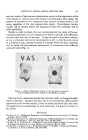
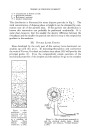
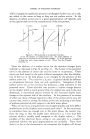
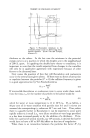
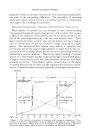
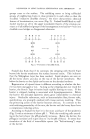
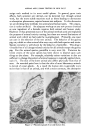
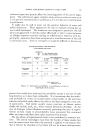
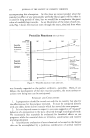
ANIMAL AND HUMAN TFSTING IN SKIN CARE 203 assign each method to its most useful sphere. In general, gross toxic effects, both systemic and derreal, can be detected best through animal work, but the more subtle reactions such as those leading to dermatoses or absorption phenomena, require human test subjects. In this discussion we are dividing these methods into animal and human types. This separa- tion is rather artificial. An adequate workup on any new process chemical or new ingredient of a formula requires both animal and human study. Hazleton (5) has presented many of the animal methods used and explained the purpose of animal toxicity testing, but there are several limitations of animal work which we feel could be re-emphasized. Primarily, one must use care in the selection of the test animal. The behavior of the guinea pig, rat, rabbit or other animal skin may vary with both species and strain. Species variation is well shown by the behavior of penicillin. This drug is virtually free of all dosage-related toxicity for all animals except the guinea pig. For this animal species, penicillin is very toxic (6). Variation be- tween strains of the same species has been shown to depend upon such things as diet alone. For example, relatively minor variations in diet are sufficien t to change the pattern of animal response to topically applied chem- icals (7). The skin of the lower animal also differs physically from that of man. An essential point here is that the skin of most laboratory animals is devoid of sweat glands. As a result the human skin is generally more moist than is that of an animal, and with a moist corneum, the absorption Figure 1.--Photomicrograph of cat and human skin.
Purchased for the exclusive use of nofirst nolast (unknown)
From: SCC Media Library & Resource Center (library.scconline.org)