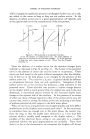
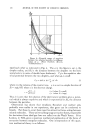
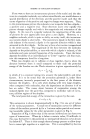
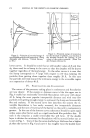
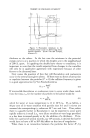
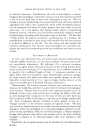
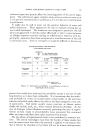
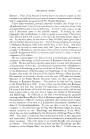
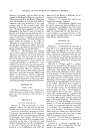
ANIMAL AND HUMAN TESTING IN SKIN CARE 211 carbowax types may greatly affect the irritating power of the active ingre- dient. The well-known agent, salicylic acid, can be as active or more so at 1 or 2 per cent concentration in carbowax as it is in 6 per cent concentration in petrolatum. It might also be well to point out the peculiar behavior of some nail polish undercoats. These appeared to be safe on ordinary testing but on use trouble developed. The undercoat was designed to penetrate the nail plate and apparently it did this rather effectively so that in some instances an allergic response occurred causing an inflammatory response with hy- pertrophy, separation from base and partial to total destruction of the nail in advanced cases. Even in retrospect it would be difficult to devise any Increased Susceptibility to Skin Sensitization o f the Individual with Eczema Sensitizers (A) P - Nitro dimethyl enaline (B) 2.4 dinitro chloro benzene L•ermatologlcal Number of ___ Induced Sensitization Status Cases To either To both To neithe: AorB A&B AorB Eczema Patients 36 91.6% 50.0% 8.3% Non- Eczema 46 53.7% 12.2% 46.3% Patients .__ _ All Subjects 82 61. % 25.6% 39.0% ._ ___ Data modified from Sulzberger, M.B. Figure &--Increased susceptibility to sensitization of skin of individuals with eczema. pretest that would have indicated this possibility except a use test of such long duration as to have been unfeasible. It is interesting that the under- coat probably by virtue of its penetration acted locally on the nail base whereas nail polish rarely affects the nails or nail base except for a rare case of paronychia. Nail polish usually causes reactions at distant points chiefly the eyelids, neck, etc., where contact dermatitis develops. In the case of shampoo where blindness occurred, pretesting the eyes of experi- mental animals would in all probability have uncovered this untoward effect and steps could have been taken to prevent the disaster. The last phase of experimental study to be considered is systemic tox- icity. The animal toxicologist must bear the burden of these studies but even he cannot state that when the material is applied to the human skin that it will not be absorbed or that there will not be human idiosyncrasies

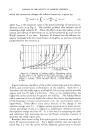
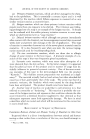
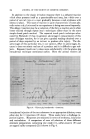
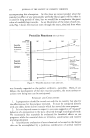
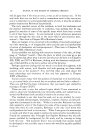
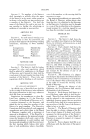
212 JOURNAL OF THE SOCIETY OF COSMETIC CHEMISTS accompanying this absorption. At this time we cannot predict what the cumulative effect of any presumably perfectly bland agent will be when it is used for long periods of time, but we would like to emphasize the great value of carefully kept records. As an illustration of the value of such rec- ords, Fig. 7 shows the reaction rates through the years, obtained from what Penicillin Reactions (Annual Rates) I]O rno•dt s) billions 1947 1948 1949 1950 Oxford units 200 000 Penicillin J J -• "• 177 000 Production • so ooo .•......_...,•.--- -'-" I00 000 U.S. Certd•calion Es•ma'• 50 000 4 ] 000 •000 m: n• • g•th n Urals cases I •3s • Tofal (All Ty•s) RepoSed t 20 Dermahhs Reactions Con tact • as Unspecdted Cass R•por• , Urticaria ß s Serum Sickness •o • Urticaria 0 Serum •ickn*ss ...... Figure 7.--Penicillin reactions types and rates. was formerly regarded as the perfect antibiotic--penicillin. Here, if one follows the development of the skin reaction pattern, the more serious re- actions now being seen can be anticipated. SUMMARY AND CONCLUSIONS 1. A preparation should be tested not only for its toxicity but also for the effectiveness for the purpose intended. It must be compared directly with any older, better-known remedy which has served the same purpose. 2. It is not beyond reason to expect to see some suggestion of "do good" behavior of a preparation in the data obtained through toxicological study. We recommend that materials be evaluated for beneficial effects on use programs while the essential data on irritation, sensitization and toxicity are being obtained. 3. A satisfactory evaluation of most chemicals to be used on the human skin can be accomplished by a judicious combination of animal toxicity
Purchased for the exclusive use of nofirst nolast (unknown)
From: SCC Media Library & Resource Center (library.scconline.org)