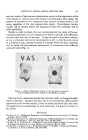
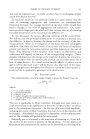
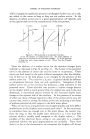
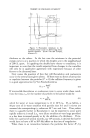
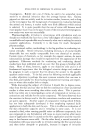
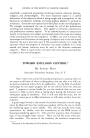
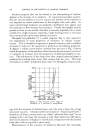
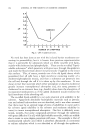
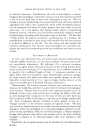
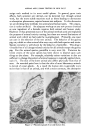
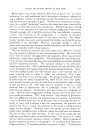
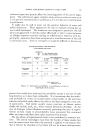
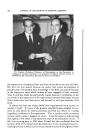
ANIMAL AND HUMAN TFSTING IN SKIN CARE 203 assign each method to its most useful sphere. In general, gross toxic effects, both systemic and derreal, can be detected best through animal work, but the more subtle reactions such as those leading to dermatoses or absorption phenomena, require human test subjects. In this discussion we are dividing these methods into animal and human types. This separa- tion is rather artificial. An adequate workup on any new process chemical or new ingredient of a formula requires both animal and human study. Hazleton (5) has presented many of the animal methods used and explained the purpose of animal toxicity testing, but there are several limitations of animal work which we feel could be re-emphasized. Primarily, one must use care in the selection of the test animal. The behavior of the guinea pig, rat, rabbit or other animal skin may vary with both species and strain. Species variation is well shown by the behavior of penicillin. This drug is virtually free of all dosage-related toxicity for all animals except the guinea pig. For this animal species, penicillin is very toxic (6). Variation be- tween strains of the same species has been shown to depend upon such things as diet alone. For example, relatively minor variations in diet are sufficien t to change the pattern of animal response to topically applied chem- icals (7). The skin of the lower animal also differs physically from that of man. An essential point here is that the skin of most laboratory animals is devoid of sweat glands. As a result the human skin is generally more moist than is that of an animal, and with a moist corneum, the absorption Figure 1.--Photomicrograph of cat and human skin.

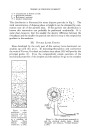
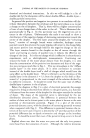
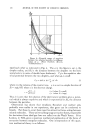
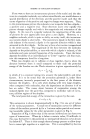
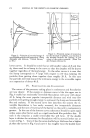
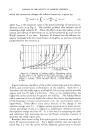
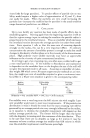
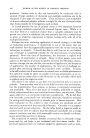
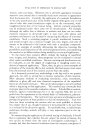
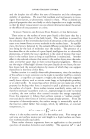
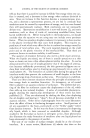
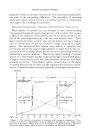
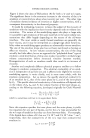
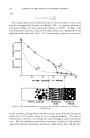
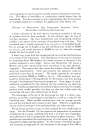
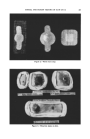
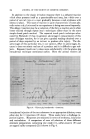
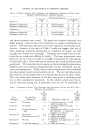
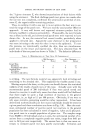
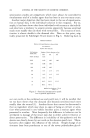
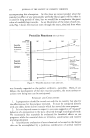
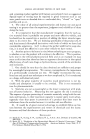
204 JOURNAL OF THE SOCIETY OF COSMETIC CHEMISTS of a topically applied agent may be inhibited, according to recent work by Butcher. This is an interesting observation because dermatologists have always felt that absorption was enhanced through increased water solubility. Another observed difference is that the epidermis of the human skin is relatively thick as compared to that of the animal. In addition, the true skin or dermis of the human skin contains fewer hair follicles and is much less tough than is that of the animal. (This histological difference is shown in Fig. 1.) There are also limitations to the human test methods. There is varia- tion in the skin and in its responsiveness. For example, the inadvisability of using the colored skin for patch testing has been established. Care must be taken to avoid seasonal variations. It is also true that there is a tre- mendous variation in responsiveness of a skin depending upon its clinical condition. More practical limitations are the facts that we have difficulty in obtaining objective measurements of skin change, especially if these measurements require the removal of tissue. Perhaps incidental is the cost involved in obtaining an adequate number of subjects for trial. On this point of numbers one must be sure to obtain a proper balance between that number required for a clinical impression and that number considered valid by the statistician. Nevertheless, with all their limitations both animal and human test methods are useful and both are required to grade correctly the derreal toxicity of any product. EXPERIMENTAL DATA Regardless of the difficulties which may arise in theorizing or in ascer- taining how a chemical agent may affect the skin, several good test methods have been developed, so that a particular substance which has caused or might cause trouble usually can be identified. On animal skin probably the most satisfactory method of testing is a repeated intradermal insult-- the guinea pig test of Landsteiner and Jacobs, more recently advocated by Draize while on the human skin the closed patch technique ranks among the best. This human test requires that a closed patch containing the study material be applied for 48 hours. After removal, readings for erythema, induration and vesiculation are made. Two weeks later the patches are repeated at approximately the same sites and again after 48 hours the skin response readings are made. Gradations of reaction are expressed by the symbols 1 plus to 4 plus inclusive. Thus, erythema of the area of the skin to which the chemical was applied is indicated by 1 plus, erythema and edema by 2 plus, erythema, edema and vesiculation by 3 plus, and any greater reaction, including erosion by 4 plus. The mechanics of the patch test are shown in Fig. 2, while characteristic skin reactions which might be ob- served are shown in Fig. 3.
Purchased for the exclusive use of nofirst nolast (unknown)
From: SCC Media Library & Resource Center (library.scconline.org)