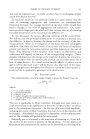
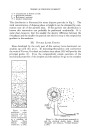
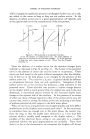
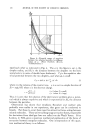
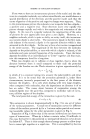
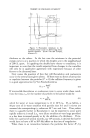
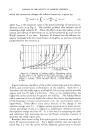
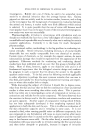
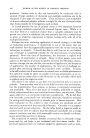
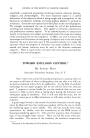
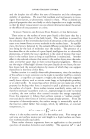
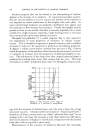
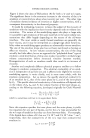
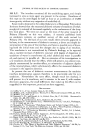
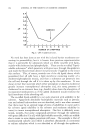
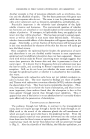
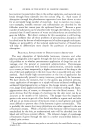
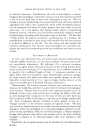
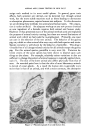
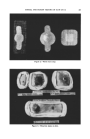
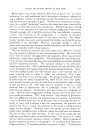
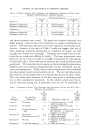
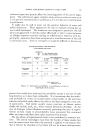
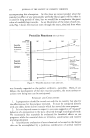
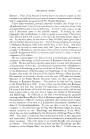
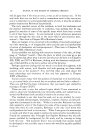
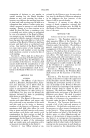
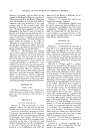
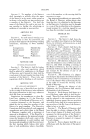
ANIMAL AND HUMAN TESTING IN SKIN CARE 205 Figure 2.--Patch test setup. Figure 3.--Reaction types on skin.

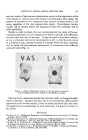
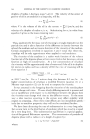
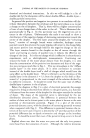
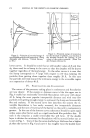
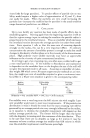
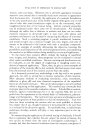
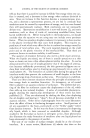
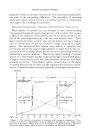
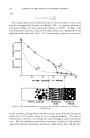
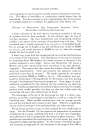
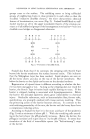
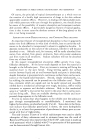
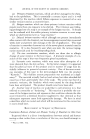
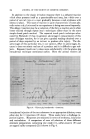
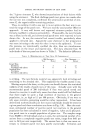
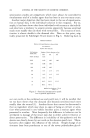
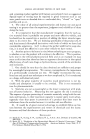
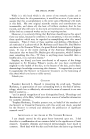
206 JOURNAL OF 'IHE SOCIETY OF COSMETIC CHEMISTS In addition to the classic irritation response there is a delayed reaction which often presents itself as a questionable erythema, but which over a period of several days or a week gradually becomes a real erythema with edema (2 plus). This type of reaction is quite characteristic of some phe- nolic resins and plastics and in our experience is being seen more frequently. This delayed reaction may be a variation of the fatigue reaction and is often better elicited through repeat insu}t techniques rather than by the more simple closed patch method. The repeated insult patch technique advo- cated by Shelanski (7) has its greatest advantage in measurement of this type of fatigue reaction, for it can give a graded reading obtained over a period of days required by an irritant to produce skin injury. The dis- advantages of this particular test, in our opinion, offset its advantages, be- cause it does not mimic real use of a product and it is difficult to get sub- jects. Repeated insult can be done more satisfactorily with the giunea pig intradermal technique mentioned earlier. Here the animal receives an Figure 4.--Guinea pi g intra'•ier'miis--ointm•nt•. intradermal injection of the test substance in an appropriate dilution, every other day for 10 injections (21 days). Three weeks later a challenge in- jection is given. Responses are measured in terms of erythema, induration and vesiculation. A comparison of corn oil solutions of three different ointment preparations containing zinc oxide (X), sulfur-resorcin (Y) and an organic sulfur compound (Z) is shown in Fig. 4.
Purchased for the exclusive use of nofirst nolast (unknown)
From: SCC Media Library & Resource Center (library.scconline.org)