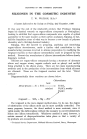
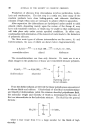
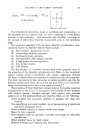
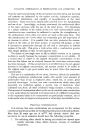
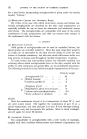
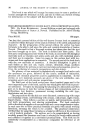
SILICONES IN THE COSMETIC INDUSTRY 27 R SiCI• mo • R Si(OH) 3 trichlorosilane --H,O -O--Si--O -- I o _ -- silicone resin unit The trifunctional chlorosilane leads, on hydrolysis and condensation, to the repeating unit of a silicone resin, the latter consisting of a cross-linked network of such molecules. Such molecules gain flexibility according to the amount of difunctional material incorporated prior to the hydrolysis stage. The properties associated with the linear dimethyl polysiloxanes, more commonly known as dimethyl silicone fluids, include: (a) Flat viscosity--temperature curves. (b) Outstanding oxidation resistance. (c) Inertness to many chemicals. (d) Incompatibility with organic materials. (e) A high degree of water-repellency. (f) Low surface tension. (g) Low toxicity. The introduction of a modified silicone fluid which possesses most of the properties of the dimethyl polysiloxanes but differs in one important respect, namely, greater compatibility with organic compounds, widened the scope of silicone fluid incorporation in pharmaceuticals and cosmetics. This fluid, too, has the further advantage of alcohol solubility and, like the dimethyl polysiloxane series, this material has been shown to be non-sensi- rising, non-irritating and to have a low order of toxicitf -6. The properties of those fluids have already induced the leading cosmetics manufacturers in the U.S.A. to incorporate silicone fluids in new products with marked success. Included amongst their present and potential applications in the pharmaceutical and cosmetics fields are the following: Water-repellent and non-smear additives in lipsticks and chap pre- ventives. Non-rancidifying and water-repellent oils in hair grooming preparations and home permanent waves. Water insoluble vehicles in suntan lotions and creams. Bases for burn unguents. Heat-resistant bases for speciality cosmetics and creams for television and film use. Water-repellent bases for hand creams. Medical, domestic and industrial skin protectants.

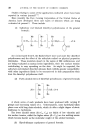
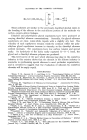
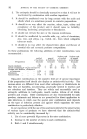
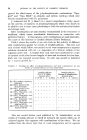
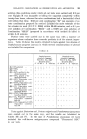
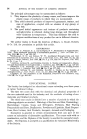
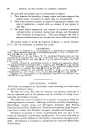
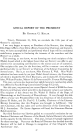
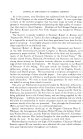
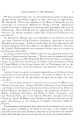
28 JOURNAL OF THE SOCIETY OF COSMETIC CHEMISTS Studies relating to some of the applications indicated above have been reported in various journals TM. More recently the Dow Corning Corporation of the United States of America have developed three new types of silicones which are being evaluated at present •. These include (1) Salicyloxy end blocked dimethyl polysiloxanes of the general formula: 0 Me fMe -• II I I I | C.OCH2--Si--O-- Si--O[-- HO• Me Me _• n Me 0 $i CH20 C , n•0 I i Me 00 H As n is increased from 0, the fluids behave more and more like dimethyl polysiloxanes and the effect of the salicylate radical on physical properties diminishes. Those materials absorb in the region of 200 millimicrons and are being evaluated as suntan lotion ingredients, their low surface tension contributing to easy spreading on the skin. As might be expected, the salicylate end-blocked dimethyl siloxane fluid exhibits greater compatibility with other ingredients likely to be encountered in skin preparations than does the dimethyl polysiloxane itself. (2) Fatty alcohol esters of dimethyl polysiloxane, of general formula •e • Me RO-- t •iO --S[iOR, n•'O I A whole series of such products have been produced with varying R groups and increasing values of n. Unfortunately, some hydrolysis takes place even with long chain alcohols, which do offer a slight degree of steric hindrance to hydrolysis. The lower alcohol esters (R:C•, C•) are fluids of low viscosity and low surface tension, whilst the higher esters (R-----C•) are low melting waxes which become harder as the molecular weight of the alcohol increases. (3) Glycol-siloxane copolymers of general formula
Purchased for the exclusive use of nofirst nolast (unknown)
From: SCC Media Library & Resource Center (library.scconline.org)