J. Soc. Cosmetic Chemists, 20, 173-184 (March 4, 1969) Toxicological Properties Hexachlorophene of WILLIAM S. GUMP, Ph.D? Presented May 16, 1968, Filth IFSCC Congress, Tohyo, Japan Synopsis--Since the introduction of hexachlorophene as an antibacterial additive to soaps, detergents, and cosmetics about 20 years ago, a large number of toxicological studies have been carried out. These studies dealt with the systemic and the oral acute and sub- acute toxicity in laboratory animals, also with the toxic symptoms and deaths observed in cows and sheep where hexachlorophene is used for the control of fascioliasis. Reports on toxic effects in man and poisoning from improper use have also been published. The cutaneous tolerability of hexachlorophene has been thoroughly investigated tests relating to primary irritation, sensitization, and photosensitization have been carried out on experimental animals and on humans. The limitations of laboratory and clinical tests and the importance of establishing safety by the actual use of products containing hexachlorophene by a large number of persons over long periods of time are emphasized. INTRODUCTION Since the synthesis of hexachlorophene •- in 1939 (1) and its com- mercial introduction after World War II, especially as an antibacterial additive to soaps (2), much data on the toxicology of this compound has accumulated. Some of the data are found in papers of American and foreign investigators other data are the results of studies initiated by us, most of which have not been published. It seemed worthwhile to compile all the pertinent data and present here a summary of the properties of hexachlorophene in regard to its oral, systemic, and dermal toxicity. • Givaudan Corp., 321 West 44th St., New York, N.Y. 10036. •'G-11 ©, tradename of Givaudan Corp. and formerly of Sindar Corp., a subsidiary of Givaudan Corp. 173

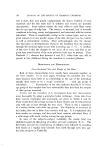
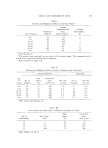
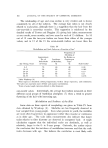
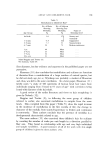
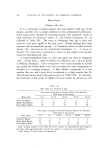
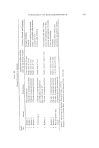
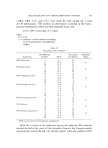
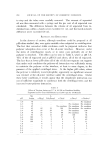
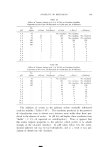
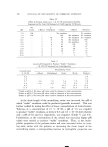
174 JOURNAL OF THE SOCIETY OF COSMETIC CHEMISTS ORAL TOXICITY IN ANIMALS The determination of the acute oral toxicity of a new product on different species of animals is usually the start of the toxicological studies. Before going into details, we would like to show how the oral toxicity of hexa- chlorophene for mice compares with that of other related bisphenols (Table I). Apparently, increase of the number of chlorine atoms on the benzene rings was attended by greater toxicity. However, it will be noted that an isomer of hexachlorophene (compound No. 4) is not much different from compound No. 2 which contains only four chlorine atoms. The most toxic compound (No. 5) with eight chlorine atoms has an oxygen instead of a methylene linkage. It is believed that the increase in chlorine atoms has a greater influence on toxicity than the change in the linkage in view of Dorsman's (3) findings that there was no significant difference in toxicity for guinea pigs between hexachlorophene and its analog with a sulfur bridge. The first determination of the acute oral toxicity of hexachlorophene was done in guinea pigs (4). They received hexachlorophene in form of a suspension in orange juice (1 g in 20 ml of orange juice). At a dosage of 330 mg/kg of body weight all animals died, whereas at a dose of 300 mg/kg 8 of 10 animals died, and a dose of 250 mg/kg allowed the survival of one-third of them. Many tests were run on mice and the doses calculated for the death of 50% (LD,0) of the animals are presented in Table II. It will be noted that most values are in a narrow range between 160 and 210 mg/kg, independent of the formulation only Florestano (5) reported a higher toxicity, and, in our studies, the addition of 1% polyvinylpyrrolidone unexpectedly increased the toxicity. The influence of the addition of the Table I Acute Oral Toxicity of a Series of Bisphenols in Mice Range, (19-20 LD•0 confidence No. Compound mg/kg a limit) 1 2,2 ~Methylenebis(4-chlorophenol) (Dichlorophene) 1000 2 2,2'-Methylenebis (4,6-dichlorophenol) 860 3 2,2'-Methylenebis (3,4,6-trichlorophenol) (Hexachloro- 168 phene) 4 2,2 -Methylenebis (3,4, 5-trichlorophenol) 728 5 2,2'-Oxybis (tetrachlorophenol) 24.5 630-1160 141-200 674-786 19.9-30.1 The method of Litchfield and Wilcoxon (51) was used in calculating the oral LD•o.
Purchased for the exclusive use of nofirst nolast (unknown)
From: SCC Media Library & Resource Center (library.scconline.org)