782 JOURNAL OF THE SOCIETY OF COSMETIC CHEMISTS a

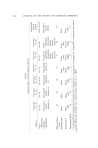
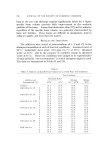
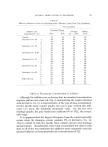
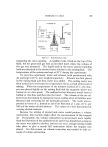
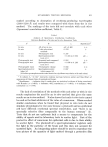
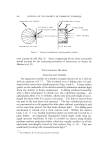
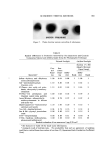
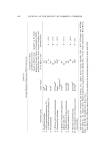
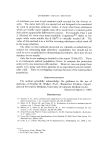
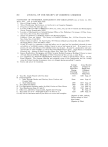
LANOLIN DERIVATIVES IN SHAMPOOS 783 Calculation--(Volume in cylinder/volume of funnel) X specific foam volume X 100 = per cent drainage. Reproducibility--Reproducibility of this test also varied with the test conditions and sample composition. The maximum standard deviation was 2.0. Materials The following simple shampoo formulation was used: Sodium lauryl sulfate, 30% active 30% Amide 6 Additive 1-5 Water, deionized q.s. ad 100 This was diluted to a concentration of 11% w/w (1% active sodium lauryl sulfate) for foam generation. Sodium Lauryl Sulfate A commercial product containing 28-30% sodium lauryl sulfate, 1.5-3ø-/o free fatty alcohol, and approximately 0.2% sodium sulfate was selected. When formulated in the shampoo, the active sodium lauryl sulfate concentration was approximately 9%. A mide A 1:1 lauric acid diethanolamide, a commercial superamide, was incorporated at a concentration of 6% as a foam stabilizer. Additives Six water-soluble ethoxylated lanolin derivatives were evaluated. These additives are identified in the text by derivative numbers which are defined in Table I. The derivatives vary in physical form, chemical constitution, molecular weight, and ethylene oxide content. They have important functional properties which have been detailed elsewhere (6). For comparison, ethoxylated stearyl alcohol (10 moles EO) was in- cluded. This product contains approximately the same per cent ethyl- ene oxide as water-soluble lanolin derivative No. 16. Salient data describing these additives are summarized in Table I.
Purchased for the exclusive use of nofirst nolast (unknown)
From: SCC Media Library & Resource Center (library.scconline.org)