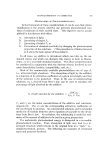
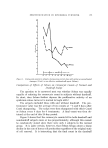
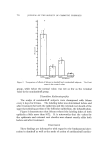
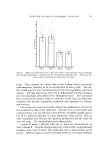
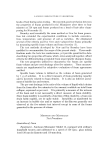
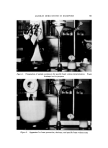
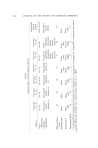
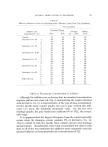
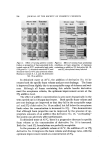
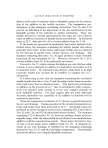
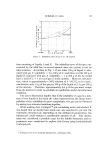
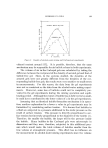
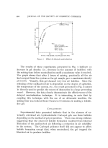
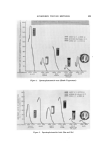
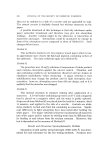
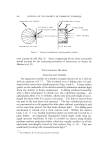
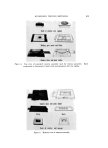
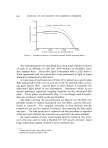
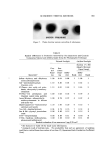
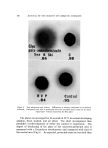
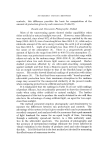
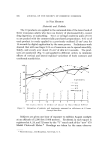
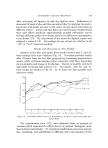
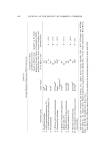
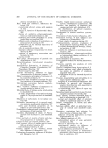
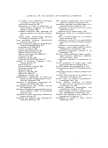
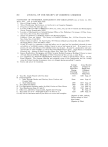
79O JOURNAL OF THE SOCIETY OF COSMETIC CHEMISTS ORRINRSE SPECIFIC FORM %ORRINAGE MIN. WOL ML./G. 5 MIN. •//• 12:s Ot. ]6'• i ........... • [ • •:•:•io• 1 5• 0 50 DEIONI•ED WATER :2 % .A DOiT I V E Figure 5. Effect of varying chemical compo- Figure 6. Effect of varying chemical compo- sition of additive on properties of foams gen- sition of additive on properties of foams gen- erated at 23øC in deionized water and in rood- erated at 45øC in deionized water and in de- erately hard water (150 ppm Ca++). Sham- ionized water plus synthetic sebum. Sham- poos contain 2% additives poos contain 2% additives Effect of Varying the Chemical Composition of the Additive Figures 5 and 6 illustrate the properties of the foams generated from the shampoos containing the six water-soluble ethoxylated lanolin derivatives and ethoxylated stearyl alcohol, all at 2%, under the four test conditions. In deionized water at 23 øC, only the shampoos containing 2% of derivatives Nos. 16, 25, and 75 produce foams that meet both acceptance criteria. Shampoos containing 2% of derivatives Nos. C-24 and 97 generate adequate specific foam volume, but the foams are slightly drier than the minimum acceptable level. The shampoo containing 2% of derivative No. 98, on the other hand, produces a foam with satisfactory wetness, but does not develop adequate specific foam volume. Sham- poos containing each of these three lanolin derivatives at a concentration of 1%, however, generate acceptable foams. By contrast, the foams produced by shampoos containing 1, 2 and 5% of ethoxylated stearyl alcohol are all drier than the minimum acceptable limit. The shampoo containing derivative No. 16 produces a wetter, richer foam than that containing derivative No. 25, indicating a possible in-

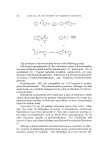
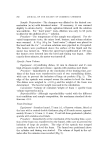
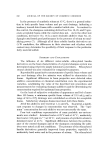
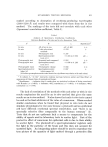
LANOLIN DERIVATIVES IN SHAMPOOS 791 fluenee of the ratio of ethylene oxide to lipophilie moiety on the orienta- tion of the additive in the bubble structure. The comparative per- formances of the shampoos containing derivatives Nos. 25 and C-24 provide an indication of the importance of the size and structure of the lipophilic portion of the molecule to surface orientation. These two lanolin derivatives contain approximately the same per cent ethylene oxide on different fractions of lanolin sterols and alcohols. In deionized water at 23 øC, derivative No. 25 is a better additive than No. C-24. If the foams are generated in moderately hard water instead of de- ionized water, the shampoos containing the soluble lanolin derivatives generally form richer, wetter foams with larger bubble size as evidenced by the increase in specific foam volume and per cent drainage. The shampoo containing derivative No. 16 again produces a more desirable foam than the one containing No. 25. However, derivative No. C-24 is a better additive than No. 25 in moderately hard water. Derivative No. 75, which contains the highest per cent ethylene oxide content, is not as desirable an additive in moderately hard water as it is in deionized water. Its extremely long ethylene oxide chain or its high molecular weight may account for its inability to complex the Ca ++ adequately. It is interesting to note that the shampoos containing the acetylated soluble lanolin derivatives Nos. 97 and 98 produce better foams in moder- ately hard water than in deionized water. This improved performance as additives in the presence of Ca + + may be attributed to their compara- tively low ethylene oxide content or to the very complex structure of their lipophilic moieties. The data suggest that the total molecular structure determines the capability of an additive to function well in moderately hard water. When the temperature is raised to 45 øC, there is a general increase in the per cent drainage. Foams generated at the elevated temperature are richer and wetter than those generated at 23 øC. Acceptable foams are produced by all the shampoos except those containing 2% of derivatives Nos. 25 and C-24, and 2% of ethoxylated stearyl alcohol. The shampoo containing 1% of derivative No. 25, however, produces foams in the ac- ceptable range, while the ethoxylated stearyl alcohol is an unsatisfactory additive at all the concentrations tested. In hot water, derivatives Nos. 16 and C-24 are again better additives than No. 25. A dramatic in- crease in per cent drainage is exhibited by the shampoos containing derivatives Nos. 75, 97, and 98 at the higher temperature. These lanolin derivatives all have very complex lipophilic structures.
Purchased for the exclusive use of nofirst nolast (unknown)
From: SCC Media Library & Resource Center (library.scconline.org)