PROTE1NS FROM EPIDERMIS 171 at the isoelectric point. The supernatant fraction obtained from the pre- cipitation of the protein at pH 5.5 was then lowered to pH 4.5. At this pH a very small amount of other proteins flocculated, but the amount was too small for experimental use. In addition to the urea proteins which precipitated maximally at pH 5.5, the alkali proteins were obtained by extraction of the urea residue of epidermis with 0.05N NaOH by stirring (Magne stirrer or wrist action stirrer) at 0 ø for 7 days. The alkaline extract was diluted threefold with distilled water and stirred for 2 hours with a Magne stirrer at room tem- perature. The extract was passed through a sintered glass filter, and the pH of the flitrate was adjusted between 7 and 8. This mixture was then (entri[uged at 18,000 rpm for 20 minutes at 0øC to remove any insoluble materials. The pH of the supernatant was lowered to 6.3 with HC1. At this pH, very insoluble proteins fiocculated and these were separated by centrifugation at 18,000 rpm for 15 minutes at 0øC and discarded because of their inso]ubility. The supernatant was then adjusted to pH 5.5 and the proteins were allowed to fiocculate. The alkali proteins which pre- cipitated maximally at pH 5.5 were purified in the same fashion as the urea proteins of the same isoe]ectric point. Only small amounts of pro- teins which precipitated at pH 4.5 were obtained from the alkali extract of human epidermis. Both the purified urea and alkali proteins were solubilized in barbital buffer, pH 8.6. Tonofibrin and the alkali-soluble proteins were prepared in the following way. Dried and defatted human epidermal powder was ex- tracted with 75% LiBr for 48 hours at 25øC by the procedure of Roe (7). The resultant mixture was centrifuged and filtered through a coarse sintered glass filter. The flitrate was then dialyzed against distilled water (three changes including one overnight). A fibrous mass re- suited this was centrifuged and washed several times with distilled water. The tonofibrin was extracted from the washed fibrous tonofibrin by vigorous homogenization in barbital buffer, pH 8, followed by centrifuga- tion at 18,000 rpm for 15 minutes. The tissue residue remaining after the tonofibrin extraction was treated with 0.05N NaOH (25 ml per gram epidermis) in a closed recepticle by mixing in an electric shaker for 5 days at 25øC. The resulting extract was diluted threefold with distilled water and had a final pH of 7.7. This mixture was then stirred (Magne stirrer) for 2 hours, centrifuged at 1800 rpm for 20 minutes, and the supernatant passed through a course sintered glass filter. The pH of the tiltrate was adjusted to 8, and then centrifugation followed at 1%000 rpm

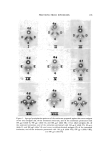
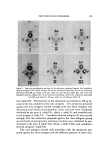
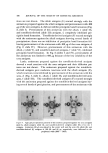
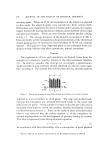
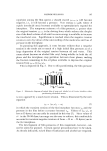
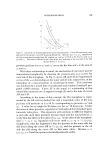
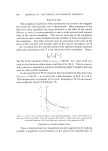
172 JOURNAL OF THE SOCIETY OF COSMETIC CHEMISTS for 15 minutes. The pH of the supernatant was lowered with HC1 to 4.5 at which pH maximum fiocculation of the alkali-tonofibrin deriva- tives occurred. The protein precipitate was centrifuged at 1500 rpm for 5 minutes, redissolved by the addition of dilute alkali, and reprecipitated at pH 4.5 in the same manner as above. After this procedure of solubili- zation and reprecipitation was repealed again, the proteins were dissolved in barbital buffer, pH 8.6. The protein content of the various solutions of epidermal proteins was determined directly by drying the samples at 110øC overnight and then subtracting the weight of the barbital buffer. Double diffusion analyses were carried out on microscope slides in 1.5% agar buffered with barbital, pH 7.5 (/• = 0.15). The agar also con- tained 7.5% glycine which was found to help maintain the solubility of the antigens. Sodium azide (0.1%) was added as a preservative. Specific absorptions of all the antisera with human serum and then with the various antigens were accomplished by first delivering the antigens and serum into the well of the agar gel. This was followed by addition of the various antisera. This process is hereafter referred to as pretreatment of the antisera as is indicated in the figure legends. After application of the antigen solutions and antisera, the slides were developed in a moist at- xnosphere for one week. These slides were then washed with saline, one hour with distilled water, covered with filter paper strips, and dried. Buffalo black was used to stain the precipitin bands. RESULTS In Figs. 1-4 the following letters and numbers were used: D, E, and F for the urea, alkali, and tonofibrin-derived antigens, respectively 4, 5, and 6 for the antisera prepared against D, E, and F, respectively and d, e, and f for the antigens (same as D, E, and F) except as used for pretreat- ment of the antisera. For example, 4d would indicate antiserutn pre- pared against the urea antigens and pretreated with the same antigens 4f would denote antiserum prepared against the urea antigens and pre- treated with the tonofibrin-derived antigens, and so on. In Figs. 1-3, the various antigens D, E, and F were placed in the side wells, the untreated antisera 4, 5, and 6 in the lower wells or below the antigens, and the pre- treated antisera 4-d, e, f 5-d, e, f and 6-d, e, f in the upper wells or above the antigens. Pretreatments are indicated in vg protein for 20 •1 of the various treated and untreated antisera. The amount of each antigen used in the side wells was for D, 184 vg E, 88 vg and F, 180 vg protein. Anti-
Purchased for the exclusive use of nofirst nolast (unknown)
From: SCC Media Library & Resource Center (library.scconline.org)