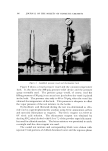
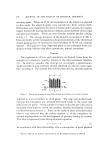
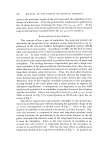
186 JOURNAL OF THE SOCIETY OF COSMETIC CHEMISTS Figure 2. Assembled presstire vessel and thermostatic bath Figure 2 shows a closed pressure vessel and the constant-temperature bath. It also shows the 200-psig pressure-relief device and the pressure gauge normally used. The pressure gauge would, of course, read the filling pressure of 50 psig in an actual test just before the vessel is placed in the bath. The pressure rises only to 60 to 70 psig when the vessel has attained the temperature of the bath. This pressure is adequate to offset the vapor pressure of the test mixture in the bottle. Hydrochloric acid liberated during the test was determined as chlo- ride ion by a spectrophotometric analysis using ferric ammonium sulfate and mereuric thiocyanate as reagents. The ferric reagent was 0.25I in 8N nitric acid solution. The thiocyanate reagent was obtained by shaking 95% ethyl alcohol with 0.4 wt % of the powder especially manu- factured for chloride analysis. The latter mixture was permitted to settle overnight and the clear reagent was used. The cooled test mixture and corresponding blank were shaken with separate 15-ml portions of chilled, deionized water and the aqueous phase

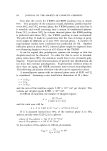
DEGRADATION OF AEROSOLS 187 was permitted to separate. A 12.5-ml portion of aqueous upper layer was mixed with 2.5 ml of the ferric reagent, then with 1.0 ml of the thiocya- nate reagent. The mixture was diluted to 25 ml with methanol and mixed thoroughly. After 10 minutes, the absorbance of the test mixture solution was measured at 460 nm using the reagent-treated blank solution as optical reference. RESULTS AND DISCUSSION Peroxide Impurities and Aerosol Can Corrosion Table I shows that the method of test is quite sensitive to traces of peroxide. Moreover, the amount of HC1 liberated is proportional to the peroxide concentration over the range studied. In these studies, tert- butyl hydroperoxide, as a typical free-radical forming substance, was added in various minute amounts to a stable, anhydrous, unclenatured alcohol, and the various synthetic mixtures were submitted to the 24- hour test. Table I Effect of Trace Peroxide on Test Results and Can Corrosion Mg/kg Based upon Alcohol Active oxygen added a HC1 found in test Incremental Analyses of Contents of Aerosol Package after Storage Iron, mg/kg Tin, mg/kg 0.00 0 0 0 0.05 2 3 0 0.10 4 ...... 0.20 8 4 2 0.50 ... 6 14 Active oxygen added in the form of tert-butyl hydroperoxide. Portions of the same synthetic mixtures were blended with Propellant 11 in the same ratio used in the test, and 100 ml of the mixture were stored in conventional 8-oz aerosol cans. The cans were 0.5-lb tinned plain-interior type they were stored at 54øC for one month. At the end of this period, the cans were cooled and the contents removed for analysis. Spectrophotometric analyses for iron and tin by the methods described by Root (4) gave a quantitative figure undoubtedly related to the degree o.f corrosion of the aerosol package and most certainly to the degree of metallic contamination of the contents. Visual examination of
Purchased for the exclusive use of nofirst nolast (unknown)
From: SCC Media Library & Resource Center (library.scconline.org)