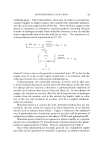
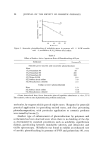
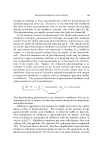
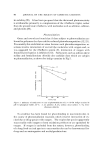
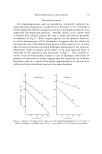
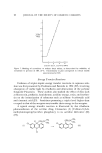
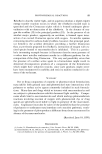
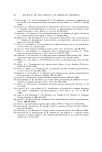
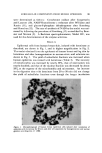
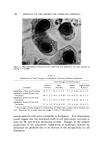
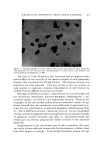
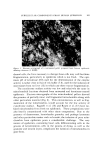
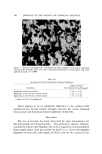
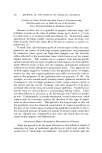
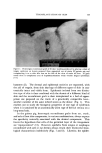
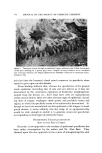
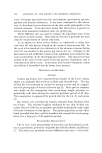
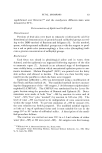
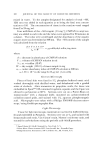
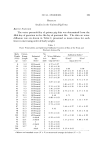
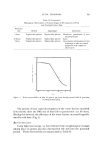
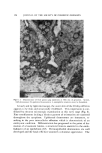
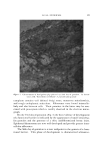
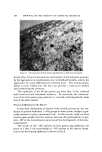
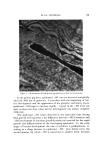
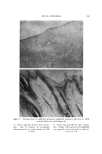
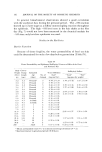
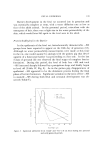
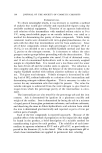
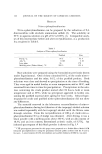
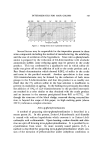
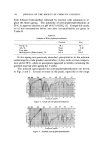
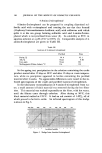
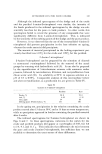
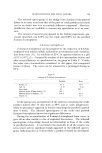
SUBCELLULAR COMPONENTS FROM HUMAN EPIDERMIS 99 were determined as follows: Cytochrome oxidase after Cooperstein and Lazarow (10), NADPH-cytochrome c reductase after Williams and Kamin (11), and glucose-6-phosphate dehydrogenase after Kornberg and Horecker (12). The rate of synthesis of NAD by the nuclei was esti- mated by following the procedure of Kornberg (13) as modified by Bran- ster and Morton (9). A Beckman spectrophotometer, Model DU, was used for the determination of the enzyme activities. RESULTS Epidermal cells from human breast skin, isolated with keratinase as described, are shown in Fig. 1, and in higher magnification in Fig. 2. The nuclei obtained from the epidermis of human breast and leg skin by keratinase and after homogenization in sucrose-citric acid solutions are shown in Fig. 3. The yield of subcellular fractions was increased when human epidermis was treated with keratinase (Table I). The recovery of mitochondria was increased by nearly 50%, that of microsomes was nearly doubled, and that of the nuclear fraction was decreased by about 20% at the expense of the mitochondria and microsomes. An increase in the digestion time with keratinase from 20 to 30 min did not change the yield of subcellular fractions even though the longer incubation :?•'•" • ' . "'-•., •'¾ '...:'2: • • . ' • '• • ':.. ' •.. .z. . •:• .: ' •:• . '2'•.. ".• '•.'.: • • .. :t ":'? * / ".? .. d' - 7-. ..... ' : ': :i:. : ' .. • '-g .:. •.•..?' • .¾ .. .. • . • • •-• .. .• •. . ..... :i •,.. '¾ .' • •.•-. -• •"• ' .•' .: 2•- • .•'.: .... * •- .' -.'.. , - • .: -• .4•....-• -:-. . •...:--• .i: •** •.':. •-...?- .... . c..: •...-. •} : . .• ..: •: • - - . . • .... r•X]-. .... • ...... Figure 1. Microphotograph of human breast epidcmal cells isolated after incubation of epidermis with keratina• for 20 rain and after cell separation by homogenization and sucrose •adient centrifugation (X 1,5•)

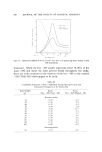
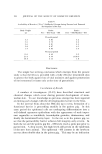
100 JOURNAL OF THE SOCIETY OF COSMETIC CHEMISTS ? , "3 ..... d..•.?'•:•' -• . v •,•-,•....a•..- • • •. . . • - • •7 •.".•? ............ ß .•. ----•-•,•' ..• ...... .... " •'{• '5•.• :k•' •' ß " •-'."}•:'•". ...... ..•,: .. ,• .......... .... -•6•.•&•x•i•x,?:,•, •.•.:... .... • ,.,•9 .kk• , Figure 2. Microphotograph of human breast epidermal cells i•lated in the same manner as for Fig. 1 (X 15,000) Table I Distribution of Total Nitrogen in Subcellular Fractions of Human Epidermis a Total Nitrogen in Cell Fractions Nuclear Mito- Micro- Supernatant Condition Fraction chondria somes Fraction Epidermis, without any keratinase Epidermis, treated 20 rain with keratinase Epidermis, treated 25 rain with keratinase Epidermis, treated 30 rain with keratinase 56 q- 3 14.3 q- 5.4 5.5 4- 0.50 24 q- 3.2 48 q- 1.2 20.3 q- 0.58 9.9 4- 0.75 22 q- 1.2 46 4- 1.4 20.4 4- 0.46 10.0 4- 0.23 22 4- 1.6 47 q- 1.0 21.0 q- 0.81 9.3 q- 0.44 21 q- 1.3 - Percentages of total nitrogen in cell fractions are based upon original tissue nitrogen con- tent. Results are the average mean percentage q- S.D. of 5 experiments. period made the cells more susceptible to disruption. This observation would suggest that the maximum yield of cell particulates occurred at both the 20- and 25-min incubation periods. Changes in the relative proportions of the subcellular components of epidermis induced by keratinase are probably due to an increase in the susceptibility to cell disruption.
Purchased for the exclusive use of nofirst nolast (unknown)
From: SCC Media Library & Resource Center (library.scconline.org)