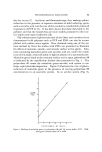
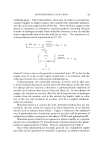
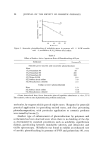
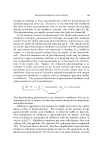
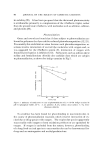
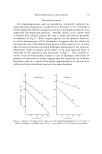
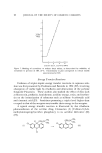
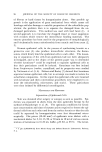
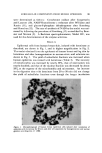
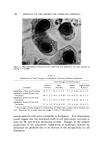
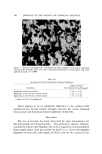
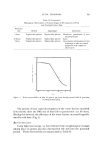
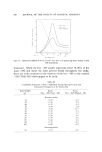
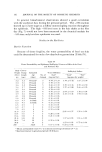
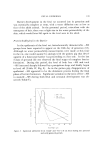
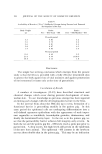
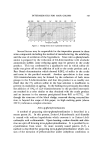
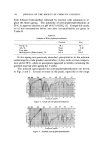
FETAL EPIDERMIS 125 Table II (Continued) Histological Observations at Various Stages of Development of Fetal and Neonatal Guinea Pigs Postnatal Age Dermis Appendages Epidermis 1 hour Typical skin picture Typical skin picture 12 hours Typical skin picture Typical skin picture 4 days Typical skin picture Typical skin picture Prominent granulosum is out- standing feature Same Granulosum still prominent, but beginning to take on normal proportion with respect to other layers 10.0. 40 ' s% 6'0 [erin Days Figure 1. $Vater permeability of skin of guinca pig fetus during second half of gestation (semilogarithmic plot) The period of most rapid development of the water barrier extended from shortly after the 50th day of fetal life to parturition (ca. 63 days). During this interval, the efficiency of the water barrier increased logarith- mically with time (Fig. 1). Barrier Structure Using light microscopy, we have followed the morphological changes taking place in guinea pig skin during fetal life and into the postnatal period. These observations are summarized in Table II.

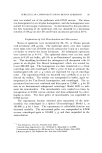
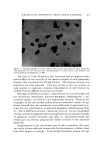
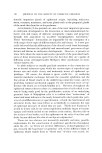
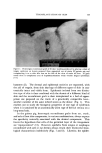
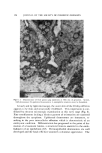
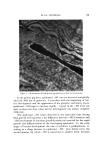
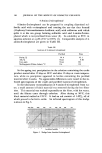
196 JOURNAL OF THE SOCIETY OF COSMETIC CHEMISTS .•-•:- .' • .:•'"•" • -.' '•:•" . :.':' ', • .5 --•.--:• •. .. -:. :- • . .?: •. . . • "-• .•: •. .• : • •- . . •,•,. • .:- . : . ':.•- • • %%.•... . -•.'.-- • .• . ': -•2 .. • . • ..• .• . ..... . .........:.. . ß ... ... .: •. . • . .. .... . .. • :. .... :... .... ...: .. . •:•' :•,.:•3'•.7 • •-•%:•e•'• •'.:-.. '•:• '.• .• :•:,-..-,.,....• • • •x. •.. •, .• . • • 2' '•" ß '. -•? ' 'h .•' --- '• ..... •- .'•.' •' • ß • - - •-: •.?'..• - ' -?• :' '•.' :• • •d.' '" X •" g ...... -'. --:% .'• •-'•, • '• • ß .•. ,• z.• •' ..: • '• 2 j: • - . • .-.•,.• •- .... ff * . ...•..•. • .... .: •':-•- • ..... 2:.. • '.' '7• '•:' ":- '•.• •" • .• •'•'•:: • • • ::: . '...•. ß .•. : e• ...... •. - -- . '. • .•?-• :- •. .... •:•..• .•.. •.• .:- ' •--'• :-'".•:' • ' %:•5½4•.. "." .".':• .':.• .•. -5':'% • -?." :.-- --"-' .•{' -:•' -•':•' •: • ..... ß ..•- - ß •' - "2a ..$: " ..:•:m.: ..... .:•.? _ .......... • ....... •. ",,•t.?. • :.v ' ' ::'Y' • •: •'•' %'• :-2}:•'.• '• '•'• 'h 2• •' • ' * •:• •,•.-- ' ':2 "• - ..... ß .. -v- '• ...... • .. . :•._. • ......... "• • .• ½•:•:•'? .• .• : .• • .... •...• " • ' • -' -'. '•' :•SJ •:e• ..•_ '.• ..... ' •'•:•%'•. '•": •' ':•':• '%•:•.: .... '::%7." •--x-:'::•t'... : '*" •.• '•' . '- -' $?.',"•:" . • • ...... .•: '•::• :..' .• v:il '•'•' ¾' -" •':.' •.• ' 2.:. : '•::". '&: ::.• ..:•-' • •-:,:•-v 'W: .... ....' •'-• :. '..•&•q: '• "•: ............ ß .... '•-• ..•'-•$ . •: ..• - '"' •:. • 'q:: '• • 2"• •:• "• "• ... •---•2' • -x .'• • •-- 4'.. ' •v•-. • • ' .-•. , : :.:'% • '•-- •- W•$•7 • •' • •3,• ... ' - •3:•':• .....' ..•.x•. '.•: •..•..--.•:-•:•v ',.'• .• ' " -•.. • ß '5 "--a .......... •.e .: ' - ...... * •-[-. • - a•* .' ,:. r .... ' •' .-• : ' ½•':--•-- :. .•.• •.. • :• :,• •:• .•.• ..... $ ...• .•'.•e • 2' %" • ..... •'• • '• •'" :• •"'!7•5'¾" •-.&.•d,z -i..- -• ...... ......' • • -- . ,. . •. .•. • .... . . ...... ,. . ..: ß •. •:: :-:- ... . . .... • "...'•* :• :.:'. ' •- .-,• •. L• • . •. '•. ' ..:,• •': ß . ...•. =...... ½--- . .., .. • .. ½ ß . -: . (-...•.. z._. * •'* •, .• .. ........ •... .... '*•,• ......... ... ..... " .•.......: :•.•.:-.-: .: : •. '•... *":•,•"*'*...., .½:. '•q& '*'%'- • • .... ½5' '.. '*• :' '•,,½• ',• ..... • .•. •.•:•-•: ,• ½. - •½-•**...,:.: ..• .. .... ...: ß ,c•, •% '4' :: •- ..._,,.- x..•...: ,-•.• ---." ß .:.. - .'.•- •:• - . - ." c - •"--' : ': .. • ' '" '."'"".• Figure 2. Uhrastructure of fetal guinea pig epidermis at 40th day of gcstation. Arrows, half-desmosomes D, epidermal desmosomcs L, osmiophilic structures (may be lyso•mes) Grossly and by light microscopy, the outer skin of the 40-day old fetus appears to be thin and structurally ill-defined. This impression is con- firmed by electron microscopic examination at this early stage (Fig. 2). Fine tonofilaments lacking a distinct pattern of orientation are scattered throughout the cytoplasm. Epidermal desmosomes are immature, re- sulting in the poor intercelhdar adhesion which is characteristic of an embryonic condition. Differentiation has progressed to the point of for- mation of a basement lamina, a structural feature essential to the estab- lishment of an epithelium (12). Dermoepithelial desmosomes are well developed and the basal cells have assumed a columnar appearance. The
Purchased for the exclusive use of nofirst nolast (unknown)
From: SCC Media Library & Resource Center (library.scconline.org)