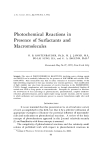
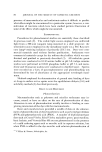
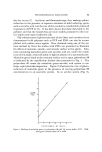
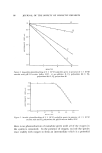
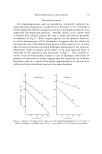
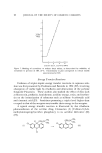
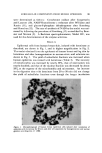
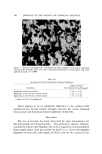
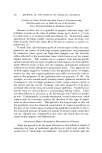
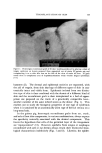
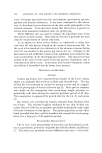
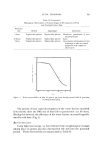
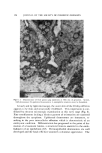
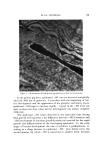
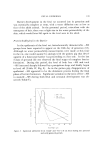
TRANSPLANTATION OF SKIN 113 - ...:. •:..:.,.. ,...•/. •.,,.... ,..•.. .,:..• ..:..,..• ..•: ,:•...:,....:. . .. Figure 1. Heterotypic recombinant graft of 25 days' standing produced by placing a sheet of tongue epidermis on dermis prepared from pigmented ear of s•rain •2 guinea pig and transplan,ting it to a white skin ar• on the side of the chest of strain •2 host. At graft cen,ter there is conspicuous area of hyperkeratini•tion which overlies lingual epithelium (x •) hamsters (2). The dermal and epidermal moieties are separated, with the aid of trypsin, from thin shavings of different types of skin in ana- tomically intact and viable form. Epidermis isolated from one distinc- tive type of skin is then combined with the dermis of a different kind of skin and the recombinant graft is then transplanted to a bed of appro- priate size prepared on the trunk of a genetically compatible host-- another member of the same inbred strain as the donor (Fig. 1). This enables one to study the histogenic properties of one type of epidermis when it is sustained by an anatomically alien type of dermal stroma on a long-term basis. In the guinea pig, heterotypic recombinant grafts from ear, trunk, and sole of foot skin components, in various combinations, always express the specificity naturally associated with the derreal component. This favors the hypothesis that cells of the germinal layer of the integument are "equipotential" (11). However, epithelia from tongue or esophagus recombined with sole or ear dermis always retain their distinctive histo- logical characteristics indefinitely (Figs. 1 and 2). Likewise, the epider-

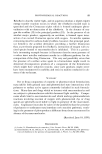
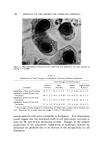
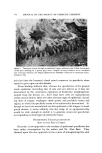
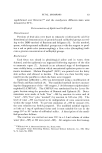
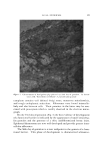
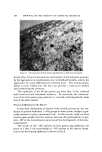
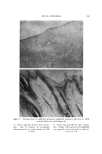
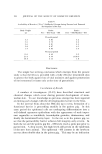
114 JOURNAL OF THE SOCIETY OF COSMETIC CHEMISTS •..•r• . •/ • • ... • .. • "'- •'• •:':•:: • " •3•' • .... ß - •,. • •:'• %'%:•'. ..• .......... •. •:•, •i..:•:• • • ....... ...•.:• .. •':'.•,,• • '-• ... • ............. . •.• :•ff'•..• .... • .... •, .z.•. .• • •a •'•:• .... '¾". • • .... y•:•:.½ •.•x:s: .... :-.- • •" ,x ' . • •:•. •.: •:'• ,,. ....... ..- ...... :•g.• :, • :':'•., • •.' . .... : . :• •.- .•.• .... k.•. • .... •' •.,.•..'•-'-•' • b• •-"• " ."'. .... - .... .• •': ' .' ,.•. • . .,. •- -.. .• •-,. •.• •.. .: •?• .- .... • •...•,• •,•,,. ............. • .... ß • , •._ f.. :-.• J •' ...... . . t•. • • •...: ?. ,.v • •L .. * • :,.? .... •.' .• ::.•..• .,• •-• .:• •z• '."Z½::.f• y •-.. "..• •.• -: • .:. .• •:•.:.. . .• % . ..• • .- • .... • ...... • • • . ,.•.. • ............ :• . . .. .. • •-.- %• .... i .... . •.•.y: • .•:•.• .... •:•: .•.-• * :,-.=:•::: ..• • :. .' . -•-. . .... . ß -: ,-- :•:..?-:: . { x- ..d:'•. -:?- 4 '•' •::,'¾ •: ,. •:• .:• • ,. • -' • .• . -?• •..• : •,•....,. • ..• • • •. •. -*• .• ,.. •,.½,x .... .: '.•[ •..• ,. . ::•,•:•,...•z,z- .:.• •:, ':•.•-• •'•'•:•.z •: • -' ß ,•'• •, •' i ß . •,..• ..... •g•: .... •.• •. : • ".• ....... • • -•. ,• .•.- •. .•4•. ,. • •,: .: '• .•.: .-. ::& ß . •. " :.3. •.• '-•'-: •-•-•. - • ß ". . . ....... . ...... , ........ • •.•.• ..• •: . ß . .• •'-' .... •' ß .•.• •'. .•:,f•.- ..... ...½ • ........... - • •- • .•.--- •-. • ..... - •. .• ...... •:.-..z,•.... r: g?..• ß ..... , ........ • -• ....... •, .,• ........ •,.. •.• .... ... _.. , •*•.:• ,. •. ß •:k•_,•, • .•.... :..,,, • :•....s, --• ....... i. . ..... •,..•. •-• ..... :-.•,•,•. ß • •, •-,. ,. • .•.• ........ .•:. Figure 2. Transverse section through recombinant tonic epidermis-sole of foot dennis graft of 100 da•s' standing on a g•inea pig's chest. Despite its long residence on an •nnat•ral t•p½ of dennal substrate, the linguM epidermis has faithfully consumed its st•ctural charac- teristia (X 35). mis that lines the hamster's cheek pouch conserves its specificity when caused to gzow upon ear skin dermis. These findings indicate that, whereas the specificities of the general trunk epidermis (including that of sole and ear) behave as if they are determined by the continuous operation of distinctive morphogenetic stimuli froin the dermis (i.e., their basal layer cells are equipotential within certain limits), there are other aberrant types of epidermis, includ- ing those of tongue, esophagus, cheek pouch, and probably cornea and vagina, in which the specificity seeins to be intrinsically determined. Al- though we have not recombined ear skin epidermis with tongue or cheek pouch dermis, it seeins unlikely that the range of its equipotentiality would be wide enough to enable it to generate structural specificities corresponding to these types of connective tissue. HETEROTOPIC TRANSPLANTATION OF SKIN TO THE RAT'S UTERUS Recently, a new approach to the analysis of epidermal specificities has been under investigation by the author and Dr. Alan Beer. They chartcud upon this new approach in the course of transplanting free skin
Purchased for the exclusive use of nofirst nolast (unknown)
From: SCC Media Library & Resource Center (library.scconline.org)