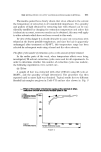
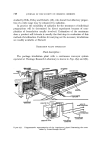
726 JOURNAL OF THE SOCIETY OF COSMETIC CHEMISTS filled with blood, and on the degree of oxygenation of the blood. In animals where the density of hair follicles is usually much greater than in man, the colour of the hair shaft and pigmentation in the follicle also contribute to skin colour. Cosmetic chemists are concerned with the colour of different com- plexions, with the covering power of make-up on skins of different colour, and with changes in pigmentation induced by sunlight. Erythema, whether caused by exposure to irritant substances, to uv radiation or to harsh weather conditions, is of interest to the cosmetic chemist as well as to the dermatologist. For experimental purposes it may be necessary to measure colour changes on the skins of laboratory animals. Although a large number of methods are available for the measurement of surface colour, difficulties are encountered in the measurement of skin colour in vivo for three main reasons: (a) the surface is irregular and easily deformed, (b) the colour may change due to changes in blood flow caused by the pressure exerted by the recording instrument, (c) it is often inconvenient or impossible to take the subject to the laboratory, Time is sometimes important in influencing the choice of measuring technique. Thus there is often a compromise necessary between the colorimetric information required and the constraints imposed on the experimenter by the nature of his substrate. This paper describes ways in which surface colour can be measured, with particular reference to skin in vivo, grouped under the headings of reflectometry, colorimetry, visual standards and photography. REFLECTOMETRY Simple refiectometry Under this heading will be considered a number of portable photo- electric instruments which can be used for making simple reflectance measurements on skin where colorimetric data are not required. An example is the EEL reflectometer (Evans Electroselenium Ltd., Harlow, Essex) which consists of a reflectance head, containing a light source and an annular photocell, attached to a moving coil galvanometer. Readings of diffuse reflectance can be obtained relative to a standard white surface such as magnesium oxide, and can be made with white light, or red, blue or green light selected by glass filters. The reflectance head is sufficiently small to enable it to be used with care on flat regions of skin on humans, such as the chest, back and inner surface of the forearm, and on large animals such

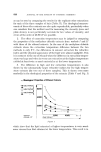
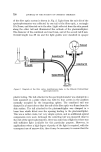
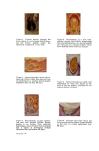
Figure I EEL reflectometer being used to measure skin reflectance on a pig. Facing page 727
Purchased for the exclusive use of nofirst nolast (unknown)
From: SCC Media Library & Resource Center (library.scconline.org)